Clinical Laboratory Techniques
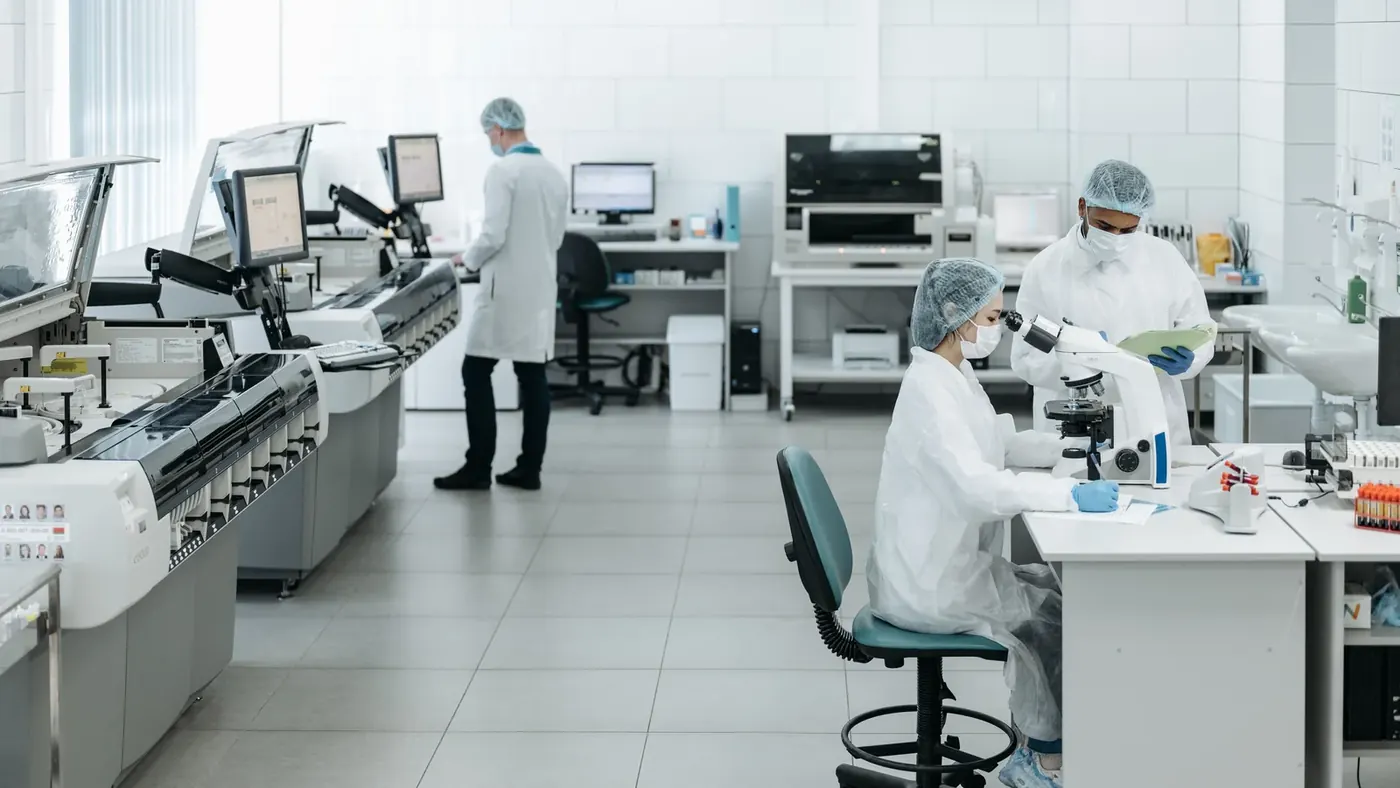
Laboratory workflow, microscopy, sample handling and observation awareness.
Coordinate laboratory-oriented training, internships, workshops and project guidance for Medical Laboratory Technology, Biomedical Science, clinical laboratory and related Allied Health Science departments.
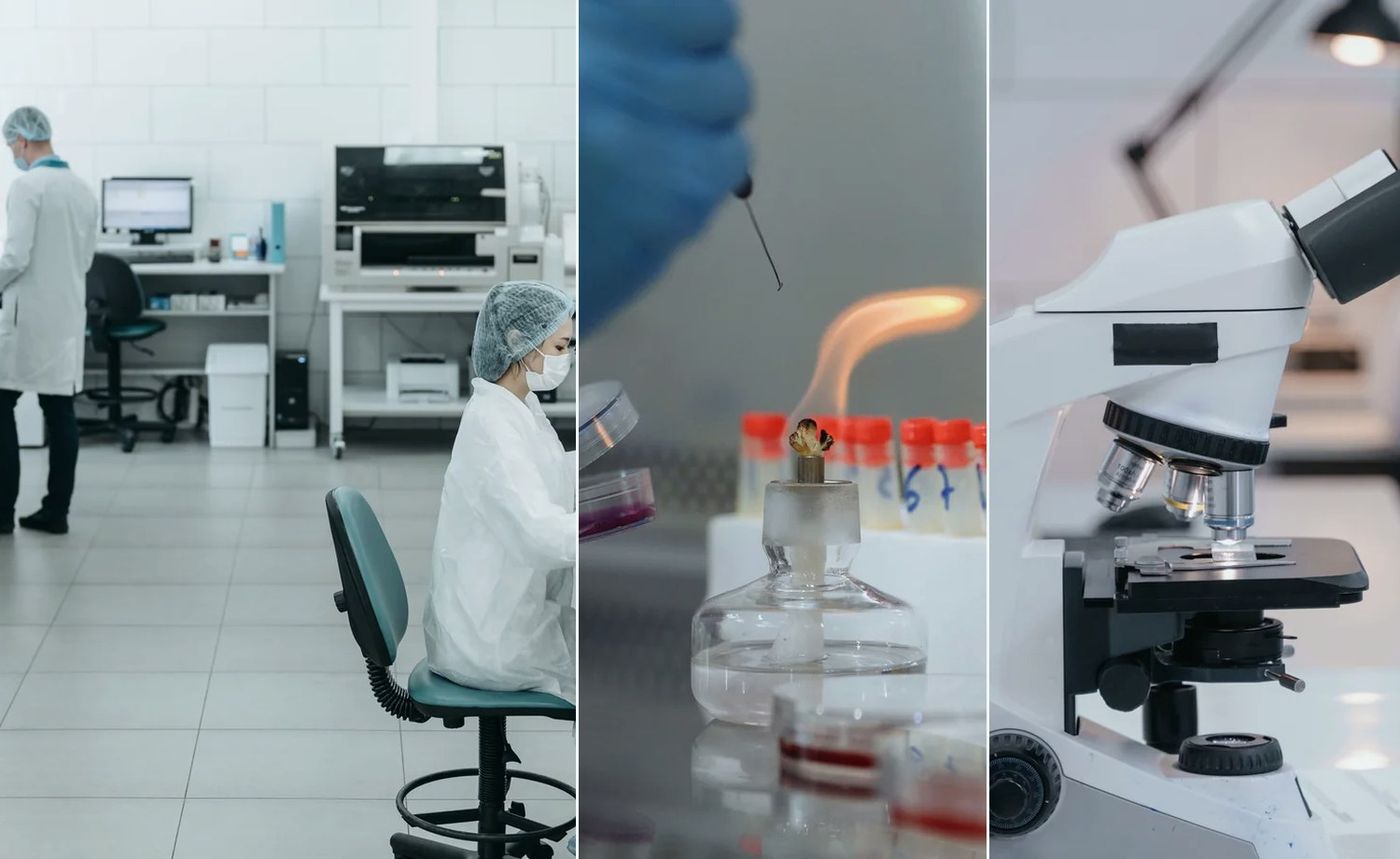
The program is mapped to the course background, student level, laboratory relevance, safety requirements and intended academic outcome.
Laboratory workflow, microscopy, sample handling and observation awareness.
PCR, molecular workflow and diagnostic biotechnology concepts.
Biochemical tests, assay planning, quality awareness and result interpretation.
Aseptic practice, culture awareness, biosafety and responsible laboratory conduct.
Structured academic exposure aligned with Allied Health Science requirements.
Topic-focused practical modules and coordinated laboratory learning for student groups.
Suitability is confirmed after reviewing the course, academic level, requested techniques and available practical scope.
For MLT, Biomedical and related learners seeking structured academic laboratory exposure.
For learners requiring a suitable laboratory domain, feasibility review and structured academic guidance.
For departments planning laboratory techniques, biosafety, microbiology, biochemistry or molecular awareness modules.
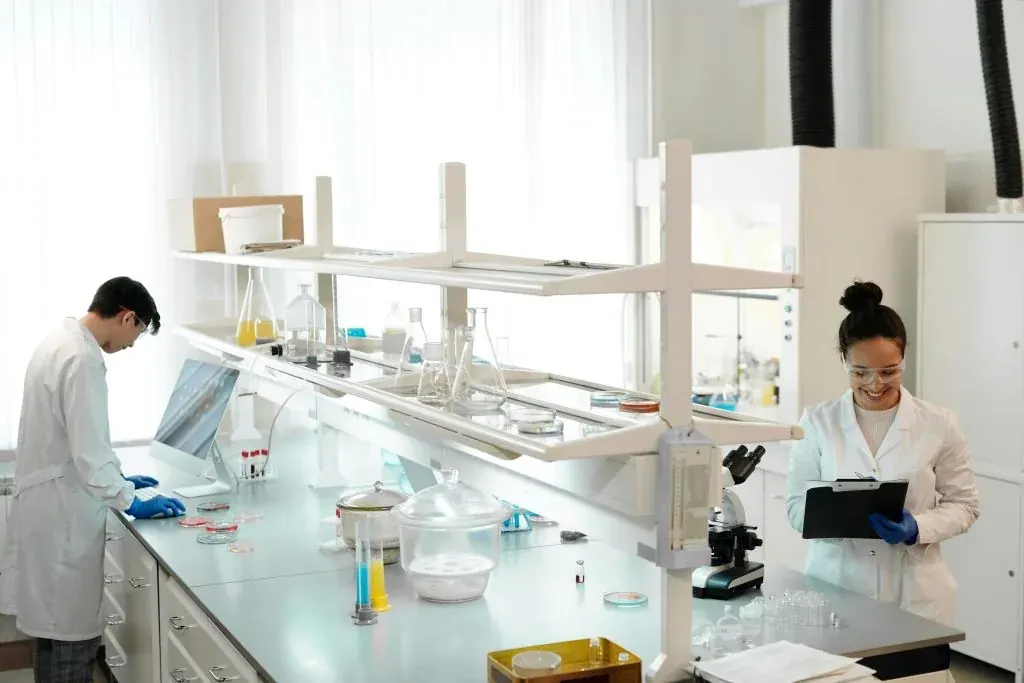
The practical depth and documentation scope are adjusted to the learner level, clinical-laboratory relevance and confirmed program format.
Foundation laboratory discipline, sample awareness and technique orientation.
Advanced analytical, molecular and research-oriented discussions.
Project planning, feasibility, data interpretation and presentation readiness.
Coordinated practical modules aligned with course outcomes and academic schedules.
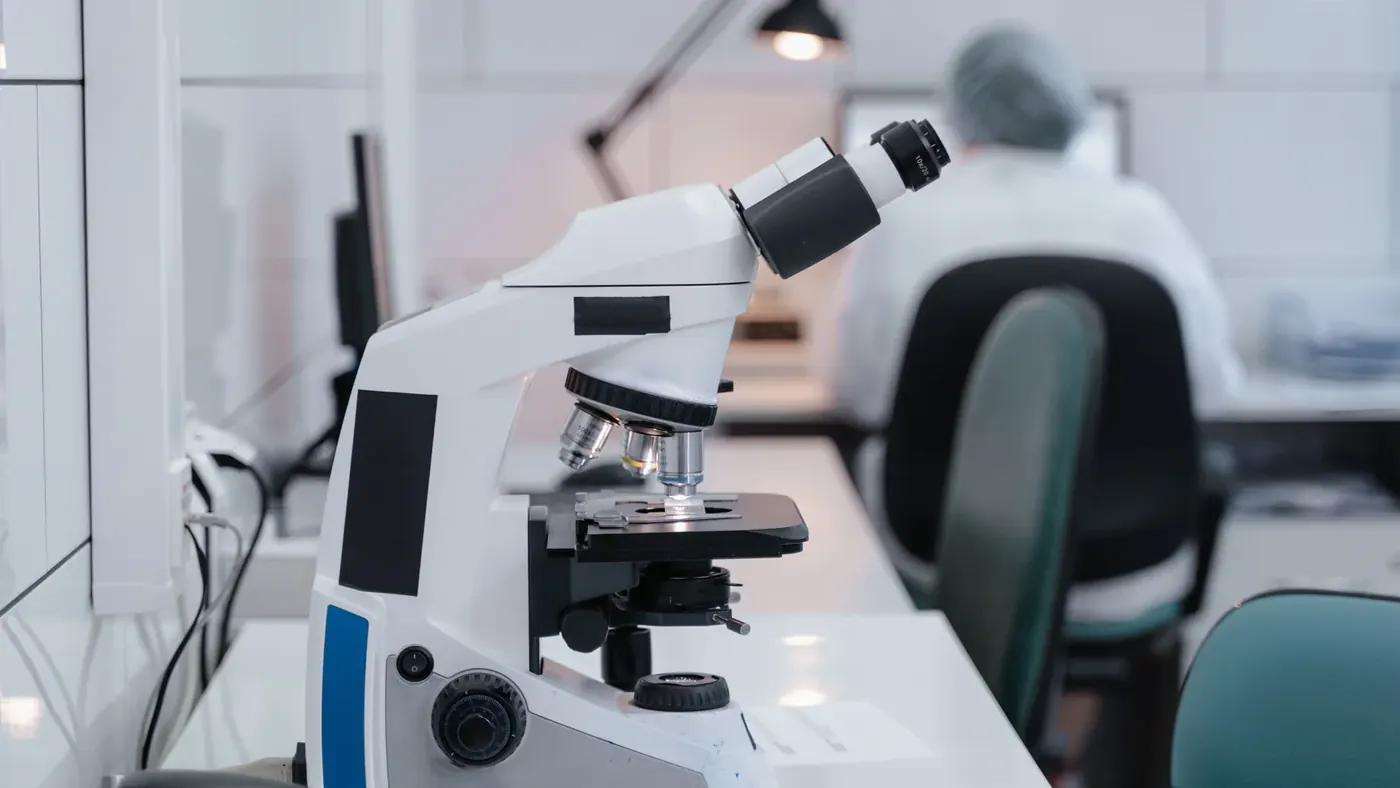
The exact activities depend on course relevance, biosafety, facility availability and the agreed learning outcome.
Responsible handling concepts, biosafety and laboratory discipline.
Microscope awareness, slide observation and documentation.
Assay concepts, test planning and result interpretation.
DNA, PCR workflow and molecular diagnostic awareness.
Aseptic technique, culture concepts and observation practices.
Observation records, data organisation, quality awareness and reporting.

The expected student outcomes are aligned to the specific department and academic level rather than copied from a general biotechnology batch.
Clear course and laboratory inputs help define a safe, relevant and feasible program for the student group.
MLT, Biomedical, Pharmacy or related course with semester details.
Expected batch size and whether the group is course-specific.
Internship, practical training, project, workshop or laboratory visit.
Academic requirement, preferred schedule and available session window.
Requested techniques, safety considerations and practical limitations.
Technique awareness, project support, documentation or department learning goal.
The institutional workflow is tailored to the department, learner group, relevant techniques, safety, schedule and expected academic outcome.
Provide institution, MLT or allied-health course, semester, student count and coordinator contact.
Clarify whether the focus is practical training, internship, project, workshop or laboratory awareness.
Select suitable microscopy, microbiology, biochemistry, molecular or documentation modules.
Check sample restrictions, biosafety, learner level, supervision, facilities and group feasibility.
Agree on dates, session plan, learning records and department expectations.
Complete the educational module and review laboratory discipline, observations and documentation—without implying clinical certification.
Review eligible courses, laboratory scope, safety and department coordination before scheduling a student batch.
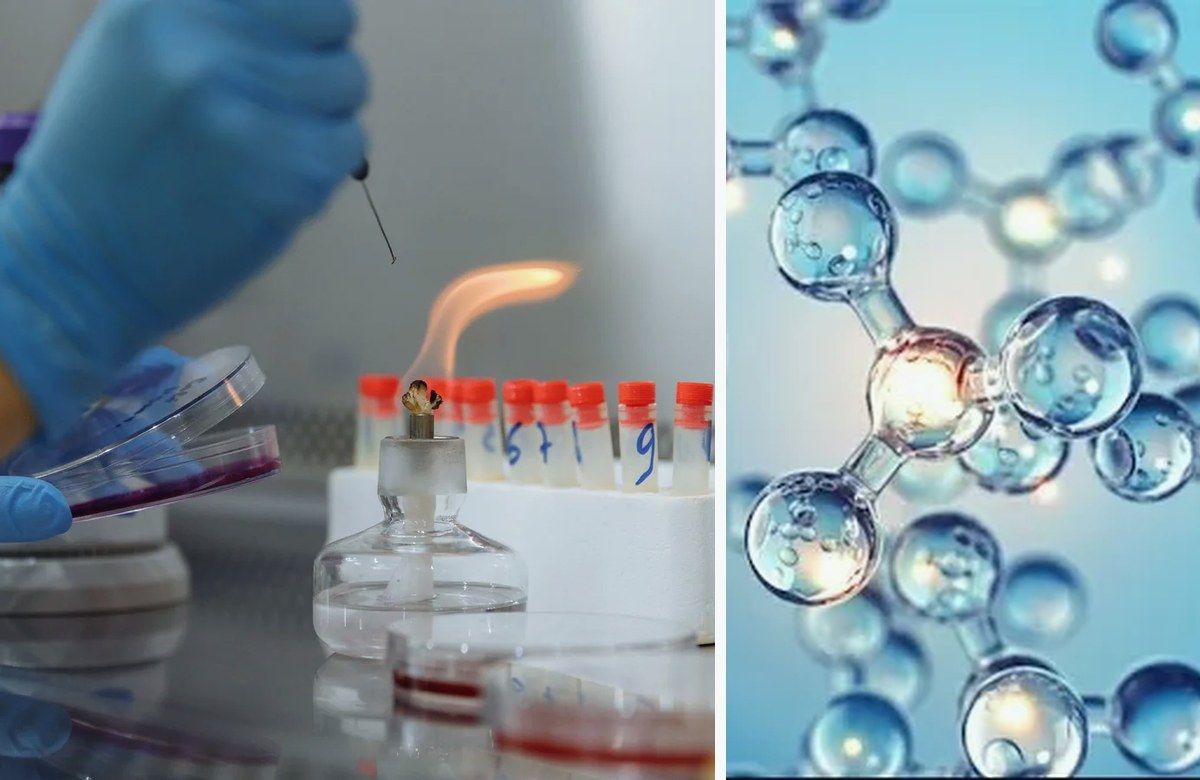
Medical Laboratory Technology, Biomedical Science, Clinical Laboratory Science, pharmaceutical biotechnology and related laboratory-oriented health courses can enquire.
Yes. Suitable modules can be discussed for laboratory discipline, microbiology, biochemistry, molecular workflow awareness and documentation.
Biomedical learners can enquire for molecular biology, diagnostics awareness, analytical methods and research-oriented pathways.
Internship enquiries can be reviewed according to academic requirement, dates, learner level, capacity and practical feasibility.
Yes. Project or dissertation requirements can be reviewed for domain relevance, feasibility, methods and expected academic output.
The program is educational and laboratory-oriented. It does not replace clinical diagnosis, medical practice or professional certification.
Relevant laboratory safety, responsible handling and quality-awareness concepts are included according to the confirmed module.
Yes. Departments can discuss topic-focused workshops, technique modules and coordinated student batches.
Share institution, course, semester, student count, preferred program, laboratory topic, duration and proposed dates.
The final scope is confirmed after reviewing course relevance, learner level, safety, available facilities, capacity and schedule.
Share your course, student group, laboratory requirement and proposed schedule for a focused institutional discussion.
WhatsApp Institution Enquiry