
Short-Term Internship
A compact pathway for introductory domain exposure and scientific workflow awareness.
Explore academic biotechnology internships for UG, PG, final-year and related life-science learners. Dates, domain, practical scope, fee or stipend position and confirmation steps are reviewed individually.

Select an internship route based on academic requirement, preferred period, domain interest and expected learning outcome. Availability is not guaranteed until review is complete.
A compact pathway for introductory domain exposure and scientific workflow awareness.
A broader internship period with deeper observation, practical learning and documentation.
Structured around college or university internship requirements and expected output.
Focused on a selected area such as molecular biology, microbiology or bioinformatics.
Coordinated internship pathways for student groups and departments.
Applications are reviewed according to academic background, purpose, duration and domain fit.
BSc, BTech and allied life-science learners seeking structured exposure.
MSc and PG learners seeking deeper domain and laboratory orientation.
Students completing an internship connected to academic or career preparation.
Departments seeking a coordinated internship schedule for student batches.
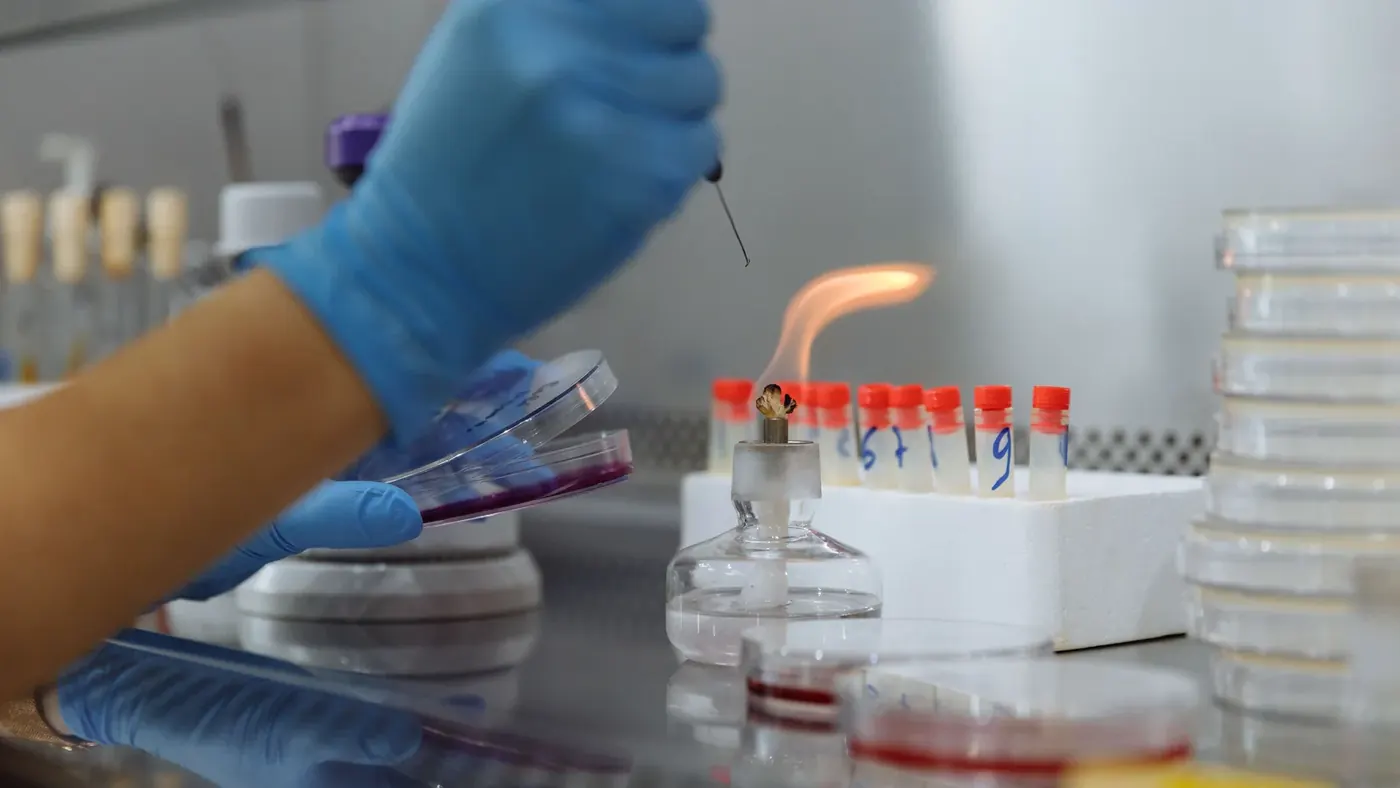
Domain availability depends on academic fit, confirmed duration, laboratory scope and facility availability.
Molecular workflows, DNA and PCR-related concepts.
Aseptic practice, culture and microbial analysis.
Assays, proteins, enzymes and analytical concepts.
Sequence, database and computational analysis.
Food quality and applied biotechnology topics.
Nanomaterials and characterisation concepts.
Cell, tissue and biomaterial-oriented foundations.
Measurement, instrumentation and data review.

The internship is designed around observation, method awareness, scientific communication and responsible laboratory practice.

The exact support is confirmed according to duration, selected domain and expected academic output.
Understand the selected biotechnology area and its applications.
Observe or practise methods according to the confirmed scope.
Clarify concepts, techniques and learning objectives.
Organise observations, method notes and learning summaries.
Review what was learned and identify remaining skill gaps.
Explore suitable training, project or research-domain pathways.
An internship enquiry becomes confirmed only after academic fit, dates, capacity, domain feasibility and applicable terms are clarified.
Share course, institution, academic level, university requirement, preferred dates and domain interest.
Check whether the requested internship aligns with learner background and available academic pathways.
Define suitable methods, observation, data or documentation activities within safety and facility limits.
Confirm dates, capacity, fee or stipend position, certificate status and required documents where applicable.
Proceed only after the accepted scope, schedule and next action are communicated directly.
Summarise learning and identify a suitable next academic step.

Internship outcomes are defined before confirmation and may focus on laboratory discipline, domain understanding, data interpretation, documentation and project readiness.
Review eligibility, duration, domains, practical scope and application details before submitting an internship request.

UG, PG, final-year and related life-science learners may apply according to course background, academic requirement and domain fit.
Yes. Short and extended internship formats can be discussed. The confirmed duration depends on the academic requirement, domain, practical scope, available capacity and preferred dates.
Yes. Share the college or university duration, attendance, certificate, report and documentation requirements so the internship can be reviewed against the expected academic format.
Possible areas include molecular biology, microbiology, biochemistry, bioinformatics, food and agricultural biotechnology, nanotechnology, cell and tissue topics and analytical techniques, subject to availability.
Practical exposure depends on the confirmed domain, safety requirements, facility access, learner readiness and duration. It may include guided practice, demonstration, observation, analysis or documentation.
Scientific notes, learning records, report guidance or completion-related documentation may be included when they are part of the accepted internship scope.
Yes. Colleges can share the institution, department, student count, preferred dates, duration, domains and required academic outputs for a coordinated batch review.
Share the course, college, academic level, preferred dates, duration, domain interest, internship purpose, deadline and a valid WhatsApp number.
A suitable next-step project or advanced training pathway can be discussed after reviewing the learner’s requirement.
Use the Apply for Internship page and submit complete academic and scheduling details.
Share your course, college, academic year, preferred domain, duration and expected start date through the internship application form.
Apply for Internship