
Prepared Work Areas
Relevant benches, materials and approved samples are organised for the planned module. Availability is matched to the confirmed schedule rather than assumed from a general facility list.
Review the learning environment, supervised practical workflow, safety discipline, documentation support and batch coordination used for confirmed biotechnology programs.
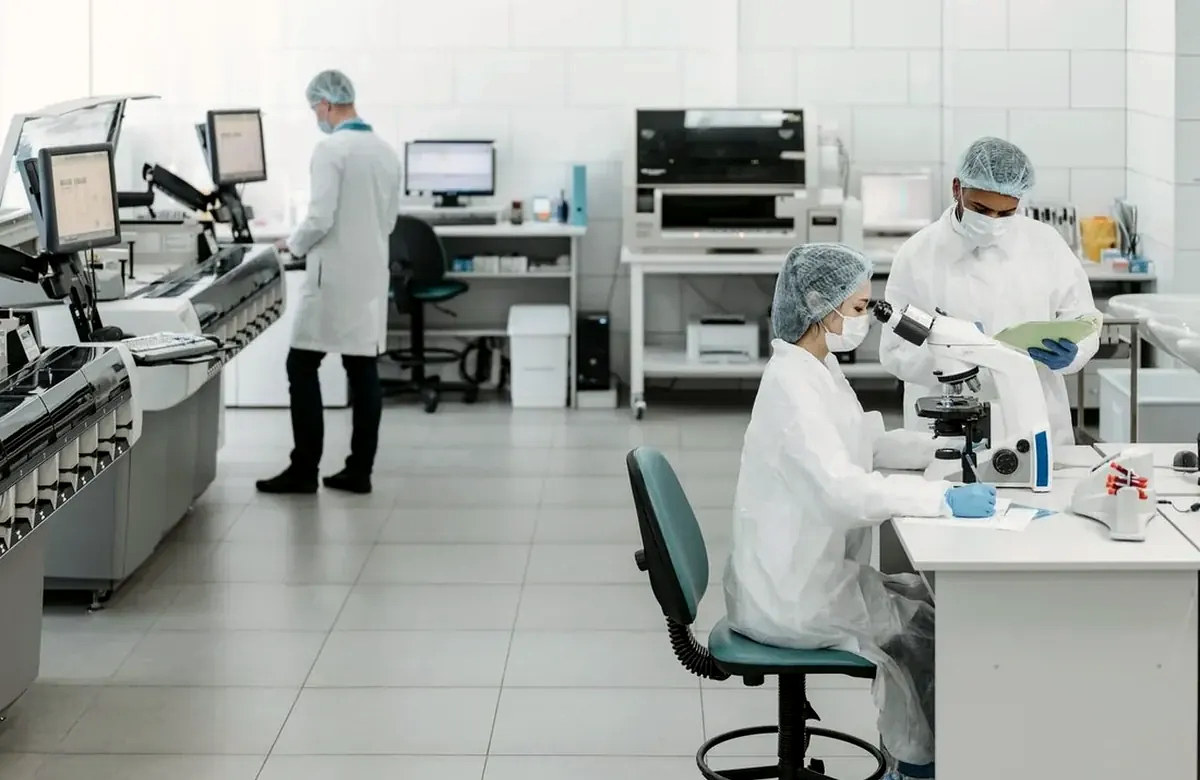
Facility access is planned around the confirmed course, training, internship, project or college-batch requirement. Practical depth depends on safety, schedule, group size and available resources.
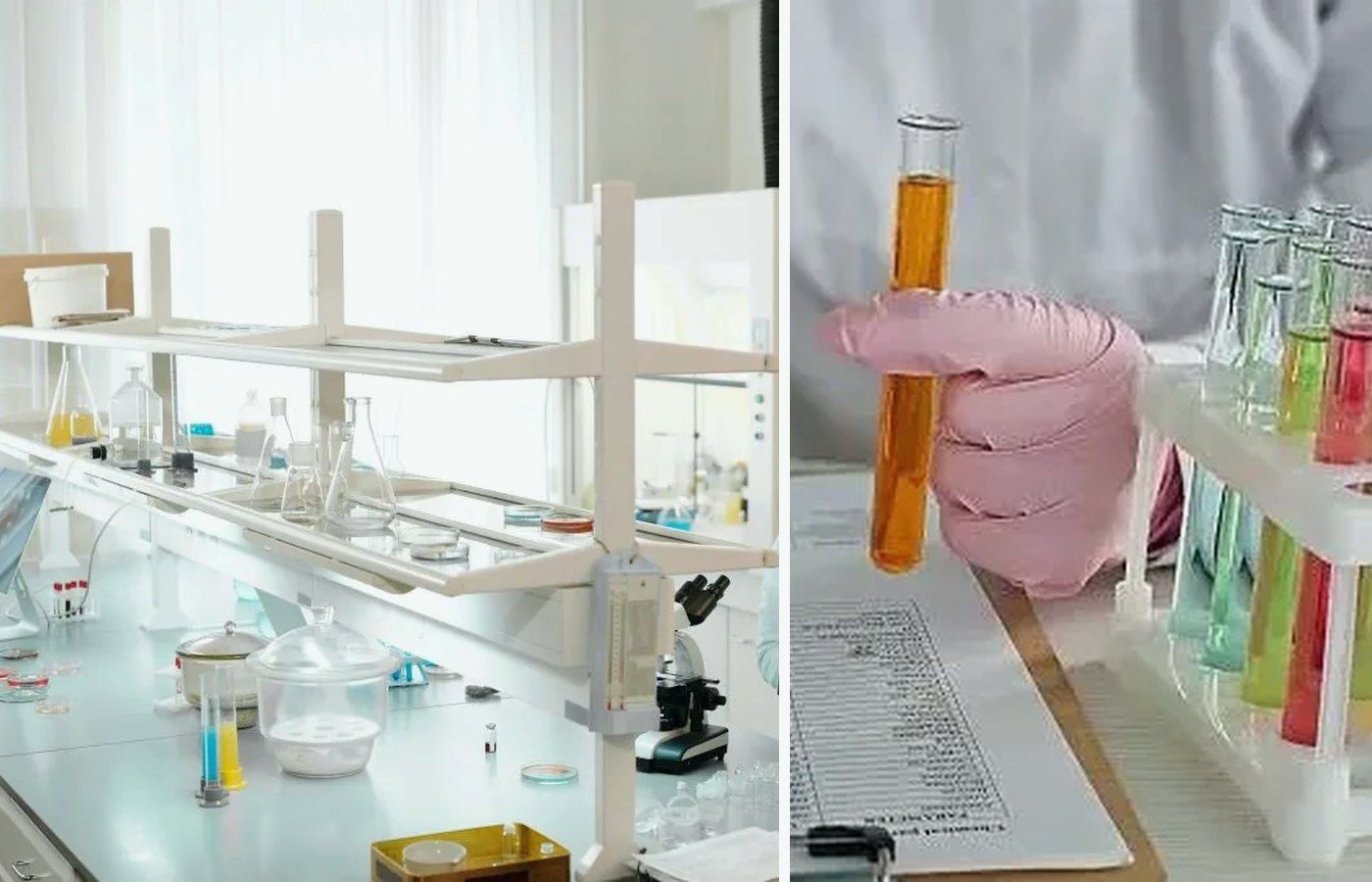
Biotechnology facilities are most useful when each activity has a clear academic purpose. Before a confirmed batch begins, the program scope should identify the learner level, practical objective, supervision requirement, expected observation or output and the documentation to be completed.
Relevant benches, materials and approved samples are organised for the planned module. Availability is matched to the confirmed schedule rather than assumed from a general facility list.
Learners receive instructions appropriate to the activity, including personal protection, contamination control, responsible sample handling and work-area discipline.
Practical work is linked to observations, measurements, controls, calculations or image-based notes so that the activity produces an interpretable academic record.
Where included in the confirmed pathway, learners discuss limitations, organise results and prepare records, reports or presentation points relevant to their course requirement.
These facility functions support organised learning. They do not imply unrestricted access to every room, method or instrument.
Structured work areas for confirmed practical modules, demonstrations and guided student activities.
Explore pathway →Labelling, measurement, preparation, storage awareness and responsible movement of approved academic samples.
Explore pathway →Guided slide preparation, observation, image or note recording and interpretation where the module requires it.
Explore pathway →Separated planning for preparation, amplification-related concepts and result interpretation according to the confirmed scope.
Explore pathway →Aseptic discipline, approved culture-related learning and safe observation workflows for suitable student programs.
Explore pathway →Measurement, assay planning, standards, controls, calculations and data-review activities linked to the selected module.
Explore pathway →Personal protection, work-area discipline, sample responsibility, decontamination awareness and waste segregation concepts.
Explore pathway →Observation records, calculations, graphs, interpretation, report structure and presentation preparation.
Explore pathway →Group scheduling, topic planning, session sequencing, coordinator communication and capacity review.
Explore pathway →The value of a learning facility comes from supervised workflow, safety, preparation and review—not from equipment display alone.
Facility planning begins only after the academic objective, learner group and practical requirements are clear.
Confirm whether the requirement is training, internship, project, workshop, laboratory visit or college batch.
Share course, academic level, student count, preferred dates and expected outcome.
Check suitable work areas, supervision, sample needs, safety restrictions and documentation flow.
Finalise session sequence, capacity, facility availability and the practical scope that can be supported.
No. Access depends on the confirmed program, learner level, supervision, safety, schedule and facility availability.
Yes. Departments can propose topic, student count and dates; feasibility and batch arrangement are confirmed with the coordinator.
The practical level varies by module. It may include guided practice, demonstration, observation, data review or a combination of these.
Relevant safety discipline, sample responsibility, observation records and documentation expectations are included in the confirmed workflow.
A laboratory-oriented visit or awareness session can be discussed for colleges, subject to purpose, group size, schedule and safety feasibility.
Share the course, group size, learning objective, preferred dates and required practical areas for a facility-feasibility review.