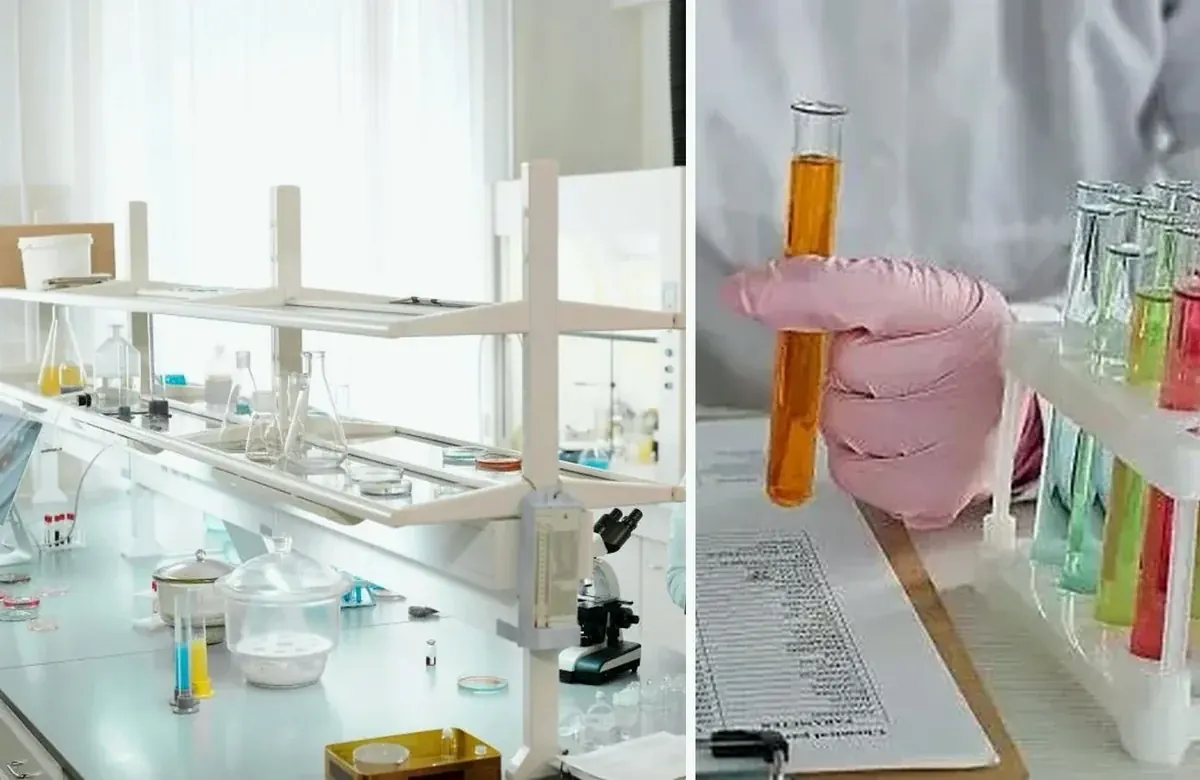
Food Quality Foundations
Understand sample collection, microbiological quality, safety indicators and analytical planning.
Explore academic pathways covering food microbiology, fermentation, plant and agricultural applications, quality analysis, natural products and sustainable biotechnology themes.
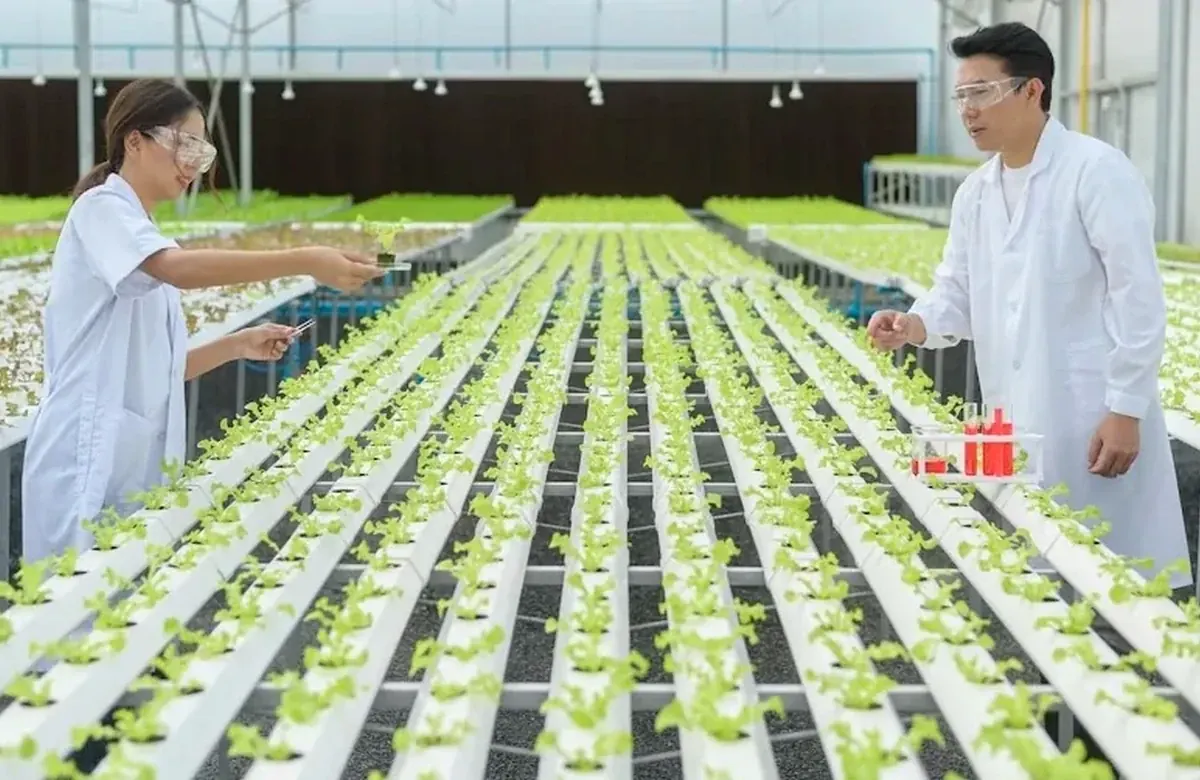
This domain connects biological methods with food quality, microbial processes, plant resources and agricultural applications. The final scope is selected according to sample type, safety, season, academic level and practical feasibility.
Understand sample collection, microbiological quality, safety indicators and analytical planning.
Explore useful microbes, fermentation conditions, probiotics and food-process applications.
Connect plant materials, soil, crops or agricultural resources with suitable biotechnology themes.
Organise methods, observations, quality parameters and practical recommendations academically.
The domain is suitable for learners interested in food systems, microbial applications, plant resources, agricultural quality or sustainable biological processes.
UG, PG and final-year learners exploring applied food, plant or agricultural projects.
Learners requiring food microbiology, quality, fermentation or product-oriented research exposure.
Students working with food microbes, probiotics, fermentation or microbial quality themes.
Agriculture, horticulture and related learners exploring plant, soil or crop biotechnology.
Learners studying enzymes, metabolites, antioxidants or biochemical quality parameters.
Feasibility-based support for scholars, faculty-guided groups and institutional batches.
Topics are reviewed according to sample availability, season, safety, laboratory feasibility, learner background and expected academic output.
Study selected microbial indicators and hygienic quality concepts in food samples.
Explore microbial growth, process variables and fermented-product workflows.
Review selected beneficial microbial characteristics and academic screening approaches.
Explore phytochemical, antioxidant or bioactivity-oriented analytical themes.
Study soil, rhizosphere, compost or plant-associated microbial applications.
Explore tissue, seed, crop or plant-resource themes according to feasibility.
Review enzymes relevant to food processing, agriculture or biological conversion.
Organise selected quality parameters, stability observations and data interpretation.
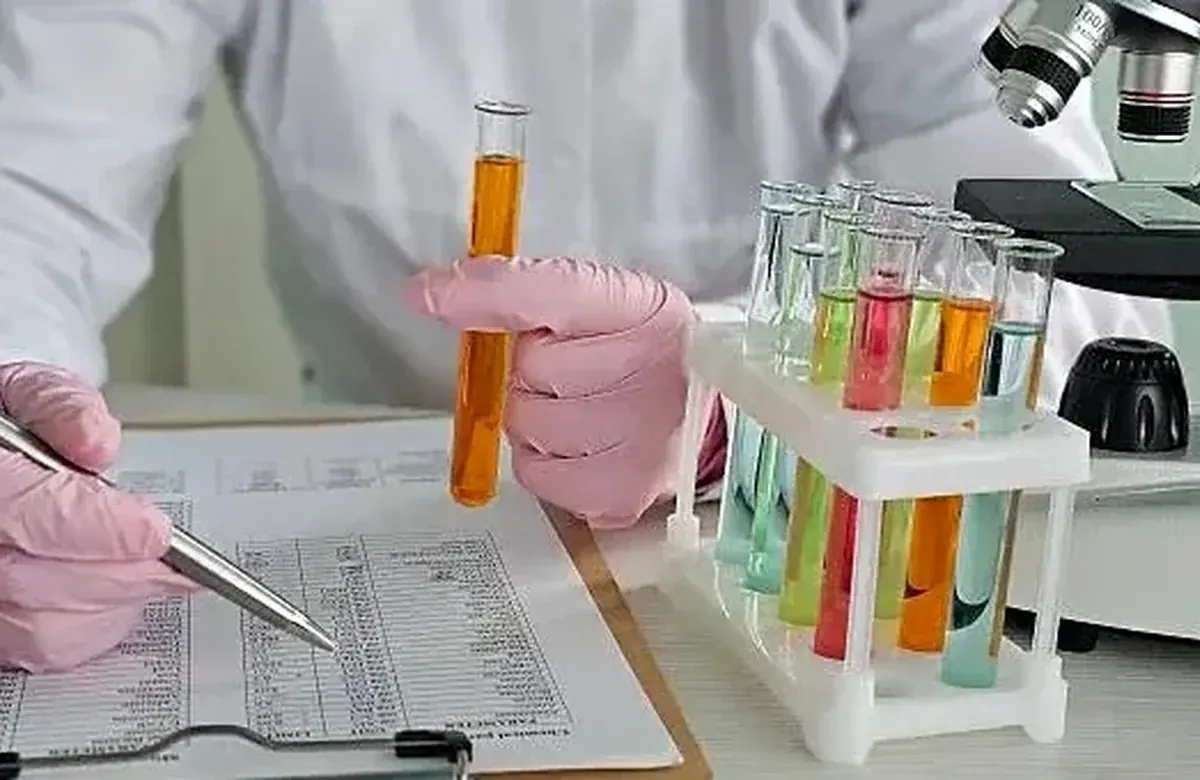
These are broad academic directions. Sample type, season, microbial safety and analytical feasibility must be reviewed before a topic is confirmed.
The final technique list depends on the selected sample, safety category, season, facility availability, analytical target and duration.
Plan representative collection, labelling, handling and pre-analytical preparation.
Use suitable aseptic, culture and observation workflows where permitted.
Review time, temperature, pH, growth or product-related process variables.
Measure selected proteins, enzymes, metabolites or antioxidant parameters.
Organise suitable physical, chemical or microbial quality indicators.
Compare observations, controls and practical relevance within academic limits.

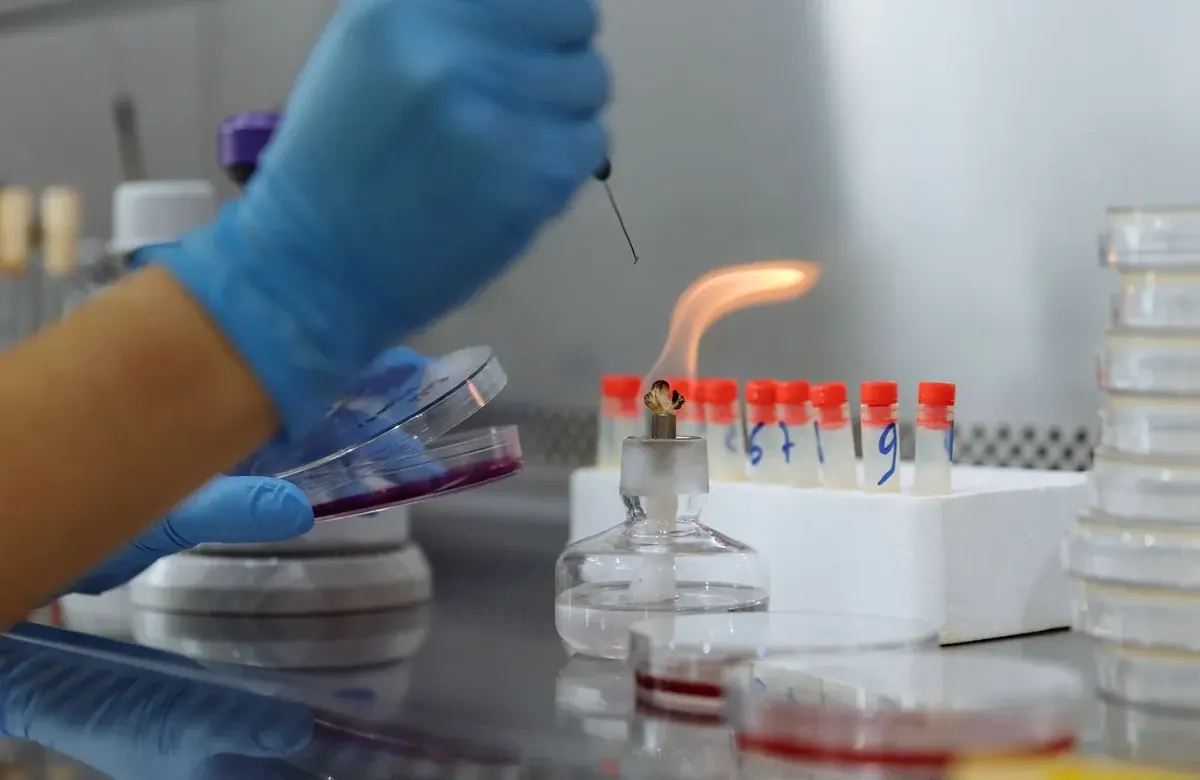
Food and agricultural pathways are built around a defined product, crop, sample or process question with suitable quality, microbiology, biochemical or plant-biotechnology methods.
Define a food sample, quality parameter, microbial or biochemical question, controls and reporting limits.
Review sampling, aseptic handling, culture or enumeration concepts and responsible interpretation.
Connect substrate, organism, process variables, growth or product observations and quality considerations.
Plan crop, seed, soil, plant-health or agricultural-biotechnology questions according to season and sample feasibility.
Explore storage, processing, antioxidant, enzyme or quality-related measurements with suitable controls.
Coordinate food quality, fermentation, microbiology, plant or analytical workshops for student groups.
The final pathway is confirmed through a domain-specific review of objective, inputs, methods, controls, access, expected evidence and academic output.
Share sample type, source, season, storage condition, academic purpose and timeline.
Clarify quality, safety, fermentation, plant, agricultural or biochemical question.
Check collection, preservation, culture or assay needs, safety, controls and facilities.
Plan treatments, process conditions, standards, observations, replicates and expected outputs.
Relate results to the food or agricultural question while documenting limitations and responsible claims.
Review course suitability, sample feasibility, safety, season and registration requirements before choosing this research domain.

Learners from biotechnology, food science, microbiology, biochemistry, agriculture, horticulture and related life-science disciplines can enquire according to academic fit.
Yes, after reviewing the proposed sample, microbial safety, available duration, methods and university requirements.
Not always. Plant material, crop stage and seasonal availability may affect the final topic and schedule.
Only after prior review of source, safety, handling, permissions and suitability for the confirmed academic objective.
Fermentation-oriented themes may be discussed when the organism, substrate, process conditions, safety and monitoring scope are feasible.
Selected soil, compost, plant-associated or agricultural microbial themes can be reviewed according to laboratory feasibility.
No. The focus is academic research and practical understanding; any product-oriented work depends on confirmed scope, safety and feasibility.
Yes. Departments can discuss food, plant or agricultural biotechnology workshops and practical sessions based on group size and facilities.
Share the course, academic level, proposed sample or theme, duration, season, expected output and university requirement.
Use the training registration form and select Food & Agricultural Biotechnology, or contact the team with the academic requirement.
Share your course, academic level, preferred food, plant or agricultural theme, sample availability, duration and expected academic outcome.
Submit Food & Agricultural Enquiry