Cell Biology Foundations
Understand cell organisation, growth, viability and the biological basis of selected tissue questions.
Explore academic project, internship and training pathways covering aseptic workflow, cell-based concepts, biomaterials, scaffolds, tissue applications and scientific documentation.

This interdisciplinary domain combines biological systems, material selection, aseptic thinking and tissue-oriented research questions. The final scope depends on learner background, cell or tissue model, safety, facilities and duration.
Understand cell organisation, growth, viability and the biological basis of selected tissue questions.
Review sterile handling, contamination control, workspace discipline and culture readiness.
Explore material properties, compatibility and scaffold-oriented academic concepts.
Organise observations, viability or material data and academic interpretation.
The pathway is suitable for learners interested in cell biology, tissue systems, biomaterials, regenerative concepts or aseptic laboratory workflows.
UG, PG and final-year learners exploring cell, tissue and biomaterial projects.
Learners connecting biological systems with biomedical materials or tissue applications.
Students from cell biology, zoology and related disciplines exploring tissue-oriented themes.
Learners studying cell viability, biomolecules, assays or biochemical responses.
Biotechnology, biomedical and materials-oriented engineering students.
Feasibility-based support for scholars, faculty-guided groups and institutional batches.
Topics are shortlisted only after reviewing the biological model, material, safety level, facility availability, duration and expected academic outcome.
Sterile workspace, contamination prevention and responsible handling concepts.
Review growth, survival, observation and assay-oriented evaluation.
Compare selected natural or synthetic materials for academic applications.
Explore porosity, structure, preparation and tissue-support concepts.
Study basic cell-material or tissue-material interaction questions.
Review suitable non-clinical academic models and evaluation approaches.
Explore plant tissue, callus or regeneration concepts where feasible.
Organise imaging, measurements, observations and limitations clearly.
These are broad academic directions. Biological model, material safety, facility requirements and evaluation methods must be reviewed before confirmation.
The confirmed workflow depends on the selected biological model, material, safety level, laboratory facilities, evaluation method and duration.
Workspace preparation, sterilisation concepts, labelling and contamination control.
Prepare selected polymers, extracts, scaffolds or supporting matrices.
Review morphology, structure or biological response using suitable imaging.
Use selected academic assays according to the confirmed model and objective.
Review swelling, stability, porosity or other relevant material properties.
Organise images, observations, measurements, controls and limitations.
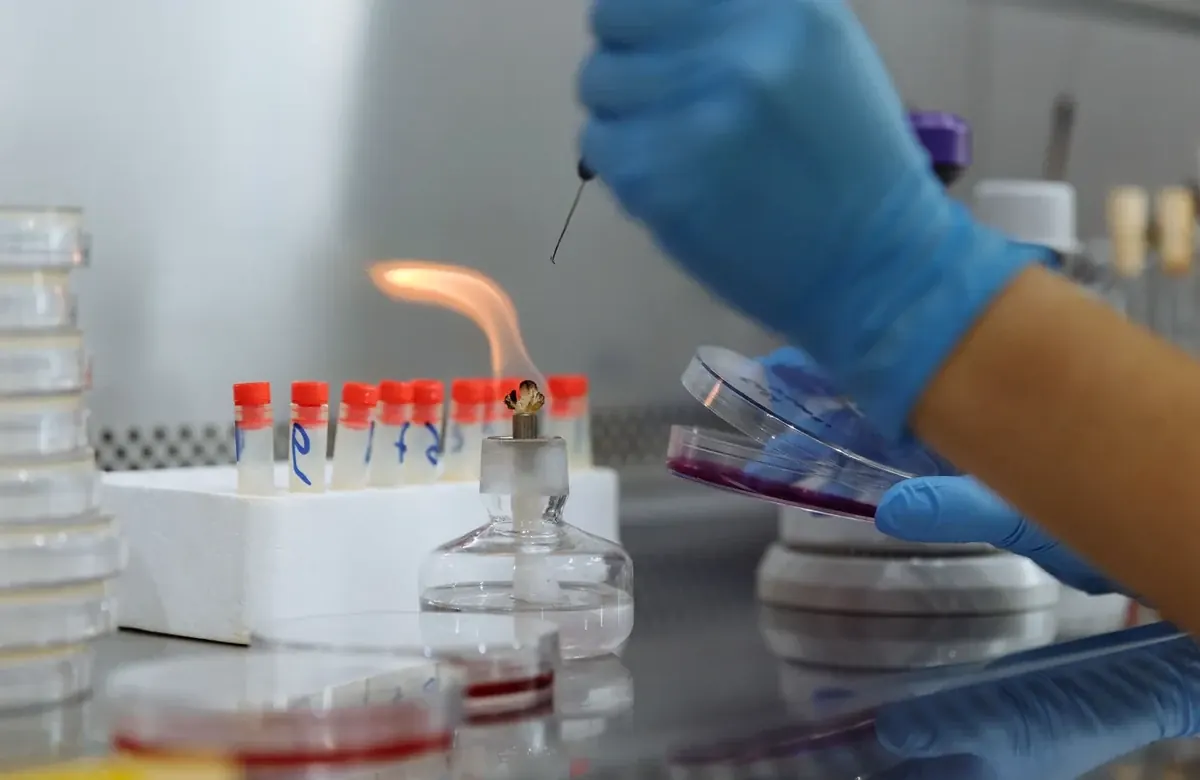
Cell and tissue pathways require careful review of model system, aseptic conditions, materials, safety, observation method, controls and access feasibility.
Understand aseptic workflow, media concepts, contamination prevention, morphology observation and documentation.
Review explant selection, surface sterilisation, media, growth conditions, subculture concepts and response recording.
Connect cell or tissue objective with scaffold or biomaterial concepts, compatibility questions and feasible measurements.
Plan material preparation, physicochemical or biological observations, controls and interpretation limits.
Discuss model selection, culture conditions, assay or imaging plan, contamination risk and reproducibility.
Coordinate aseptic technique, plant tissue culture, biomaterial or cell-biology awareness modules.
The final pathway is confirmed through a domain-specific review of objective, inputs, methods, controls, access, expected evidence and academic output.
Clarify plant, microbial, cell, tissue or biomaterial context and the academic objective.
Check contamination risk, sterile workflow, handling restrictions, supervision and waste responsibility.
Review media, explant or cell source, scaffold or material needs, equipment and timeframe.
Define morphology, growth, viability, material response, images, measurements and comparison strategy.
Record conditions, observations, variation, limitations and the expected report or presentation.
Review course suitability, biological models, material scope, safety and registration requirements before choosing this domain.
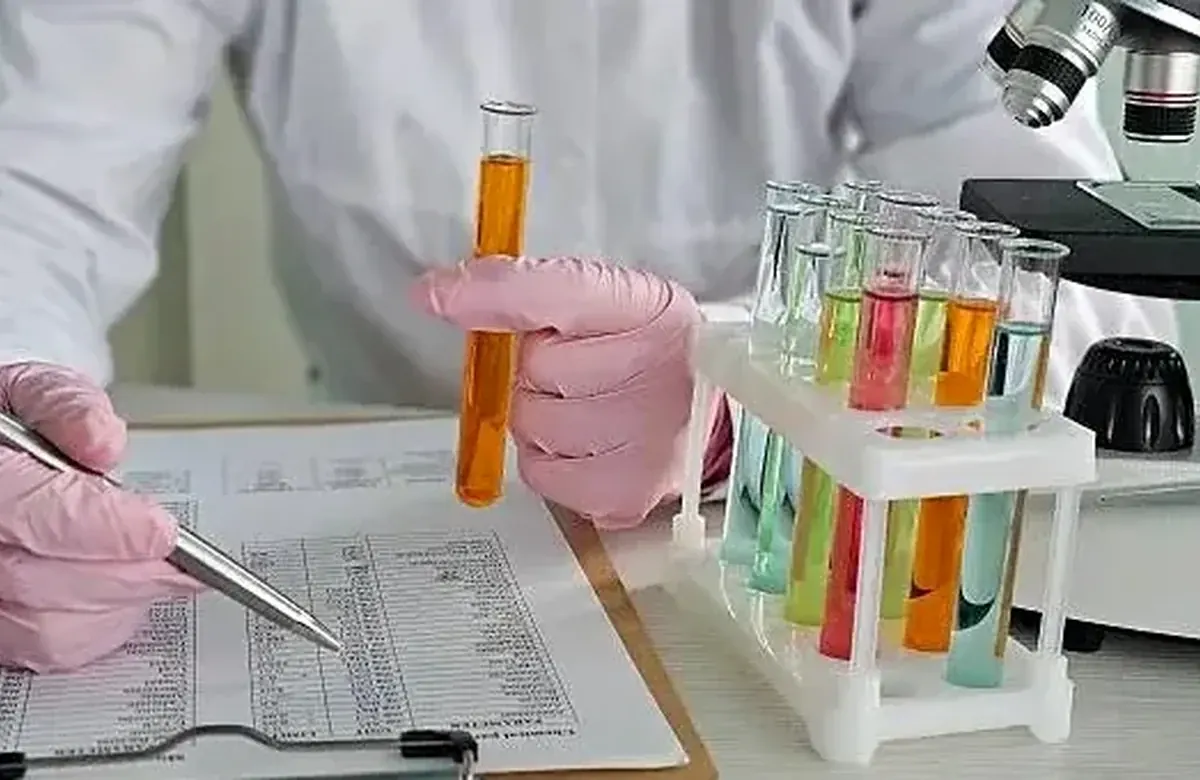
Learners from biotechnology, biomedical science, life science, biochemistry, biomedical engineering and related disciplines can enquire according to academic fit.
No. Cell-based practical scope depends on the selected model, biosafety level, facilities, permissions, duration and technical feasibility.
Yes. A project can be reviewed after checking the course requirement, biological or material model, methods and expected academic outcome.
Selected biomaterial or scaffold-oriented academic themes can be discussed according to material availability, safety and evaluation feasibility.
Plant tissue-oriented pathways may be considered when suitable plant material, facilities, schedule and academic objectives are available.
Clinical or human-derived samples are not automatically included. Any such work would require appropriate permissions, ethics and confirmed facility scope.
Biotechnology, biomedical, materials and related engineering learners can enquire when the proposed topic has a suitable biological component.
Feasibility-based material preparation, workflow planning, selected assays or documentation support can be discussed.
Share the course, academic level, biological model, material interest, duration, university requirement and expected output.
Use the training registration form and select Cell & Tissue Engineering, or contact the team for an initial feasibility discussion.
Share your course, academic level, biological or material interest, project or training purpose, duration and expected academic outcome.
Submit Cell & Tissue Enquiry