Nucleic-Acid Foundations
Understand sample preparation, DNA and RNA quality, concentration and workflow readiness.
Explore project, internship and technique-training pathways covering nucleic-acid workflows, PCR planning, amplification, electrophoresis and result interpretation.

This domain connects DNA and RNA preparation, amplification methods, analytical review and scientific documentation. The final scope is selected according to course level, purpose, duration and practical feasibility.
Understand sample preparation, DNA and RNA quality, concentration and workflow readiness.
Connect reaction components, cycling stages, controls and downstream analysis.
Use relevant databases, sequence review and basic computational interpretation where required.
Organise objectives, methods, observations, results and discussion for academic submission.
The pathway is suitable for learners whose curriculum or research objective requires molecular methods, gene-level analysis or nucleic-acid workflow understanding.
UG, PG, final-year and dissertation learners requiring molecular biology project or training support.
Learners exploring microbial identification, molecular screening or gene-target applications.
Students connecting biochemical samples, enzymes, proteins or nucleic-acid analytical workflows.
Learners combining sequence analysis, database methods and molecular biology validation concepts.
Suitable cases from biomedical, allied health and related laboratory-oriented disciplines.
Feasibility-based support for scholars, faculty-guided groups and institutional batches.
Topics are shortlisted only after reviewing the learner’s background, available duration, sample requirements and expected academic output.
Sample handling, extraction principles, purity, concentration and storage considerations.
Objective mapping, target selection, control strategy and basic optimisation logic.
Primer considerations, reference sequence review and database-supported preparation.
Reaction components, master-mix planning, thermal cycling and amplification workflow.
RNA-to-cDNA concepts and RT-PCR workflow orientation according to learner level.
Agarose gel preparation concepts, band visualisation and basic result interpretation.
Pre-PCR and post-PCR separation, negative controls and good molecular laboratory discipline.
Organising observations, reviewing controls and connecting results with the research objective.
These are broad academic directions rather than guaranteed ready-made titles. Each topic requires feasibility review before confirmation.
The confirmed technique list depends on the project objective, learner level, safety requirements, facility availability and duration.
Labelling, sample handling and preparation of a suitable pre-analytical workflow.
Extraction principles, quality review, concentration and storage awareness.
Reaction-volume planning, controls, pipetting discipline and setup sequence.
Denaturation, annealing, extension and cycle-program understanding.
Gel workflow, molecular markers, band observation and interpretation basics.
Database use, sequence comparison and result organisation where relevant.
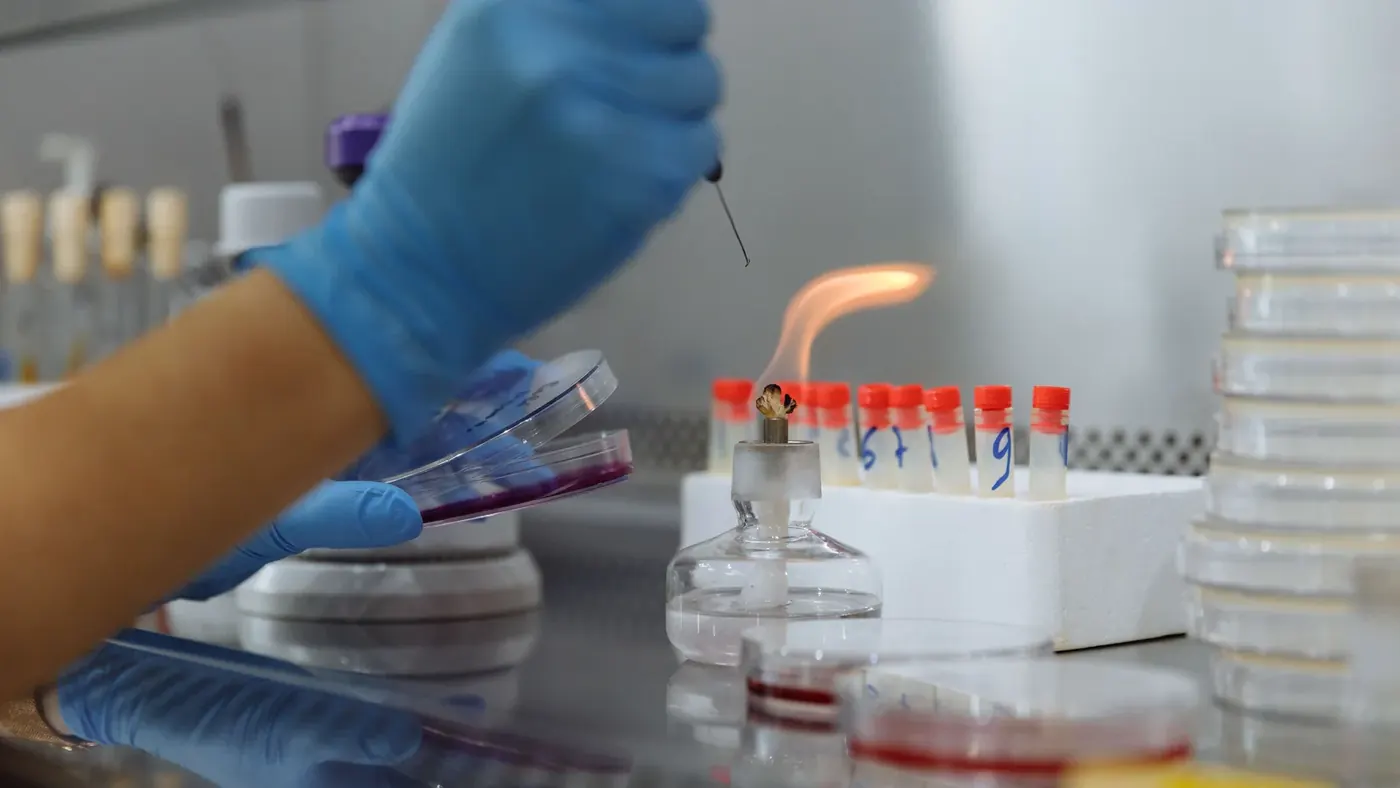
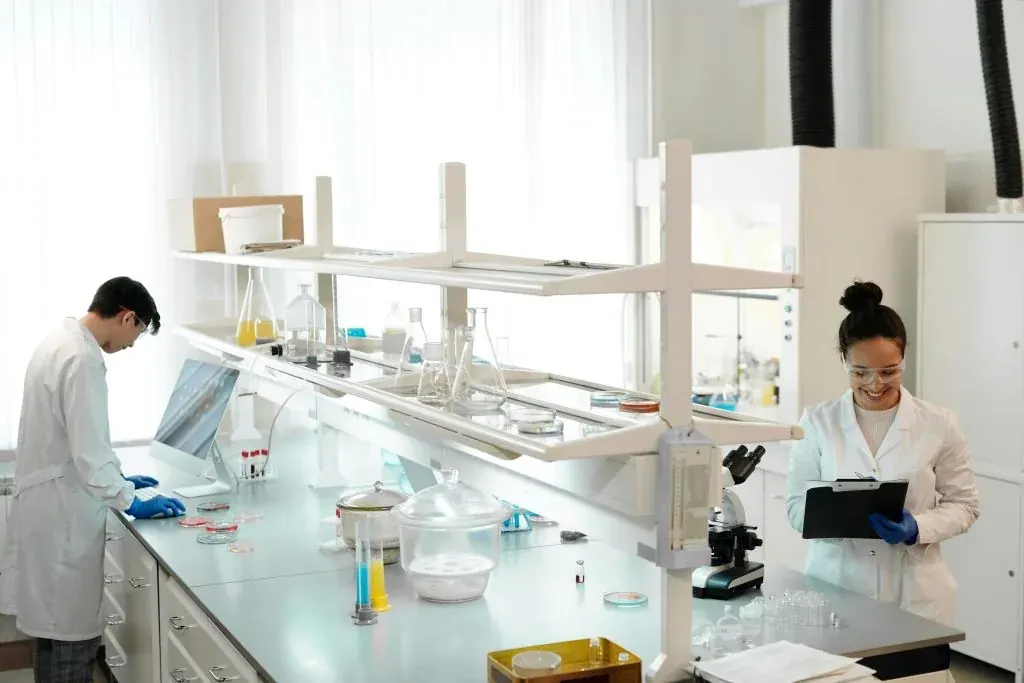
Molecular biology pathways are planned around specimen context, nucleic-acid workflow, PCR purpose, controls, contamination prevention and interpretation—not PCR terminology alone.
Understand reaction components, cycling stages, contamination control, controls and amplification logic.
Define a molecular target, specimen plan, method feasibility, expected result and documentation route.
Review RNA handling, reverse transcription, controls, expression concepts and interpretation at the appropriate level.
Connect amplification output with gel migration, bands, controls, quality concerns and reporting limitations.
Discuss primer-related concepts, controls, troubleshooting logic and feasible workflow design for a defined objective.
Coordinate DNA/RNA, PCR, electrophoresis or molecular-diagnostics awareness modules for student groups.
The final pathway is confirmed through a domain-specific review of objective, inputs, methods, controls, access, expected evidence and academic output.
Provide course, project purpose, specimen or data context, university timeline and expected output.
Clarify the gene, organism, marker, expression question or molecular concept to be studied.
Check sample quality, extraction requirements, controls, contamination risk, reagents and equipment access.
Plan preparation, amplification or analysis stages, positive and negative controls and result-review criteria.
Define how bands, amplification data or observations will be documented, interpreted and limited.
Review course suitability, project scope, practical feasibility and registration requirements before choosing this research domain.
UG, PG, final-year and research-oriented learners from biotechnology, microbiology, biochemistry, bioinformatics, molecular biology, biomedical and related life-science disciplines can enquire according to academic fit.
Yes. A final-year project pathway can be discussed after reviewing the course requirement, available duration, selected target and practical feasibility.
Possible topics include DNA and RNA preparation, PCR workflow, primer and target selection, electrophoresis, contamination control, sequence-based analysis and RT-PCR workflow concepts.
No. Practical scope depends on the confirmed project objective, sample type, safety requirements, facility availability, duration and technical feasibility.
Students may share a proposed topic. The scope is reviewed for academic relevance, method suitability, duration and laboratory feasibility before confirmation.
Sequence retrieval, alignment, primer-related review, database use or basic interpretation may be included when they support the confirmed project objective.
Foundational RT-PCR workflow concepts can be discussed, while the final depth is selected according to the learner’s background and expected academic outcome.
Feasibility-based molecular workflow, technique orientation or selected analytical support can be discussed for dissertation learners and research scholars.
Share the course, academic level, project or training purpose, preferred topic, available duration, university requirement and any existing research objective.
Use the training registration form and select Molecular Biology / PCR, or share the requirement through the contact page for an initial discussion.
Share your course, academic level, project or training purpose, preferred topic, available duration and expected academic outcome.
Submit Molecular Biology Enquiry