
Foundation Course
Short-term introduction to essential subject concepts and learning discipline.
Explore biochemistry courses, analytical practical training, internships, final-year projects, workshops and summer training for students from biochemistry, biotechnology, pharmacy and related life sciences.
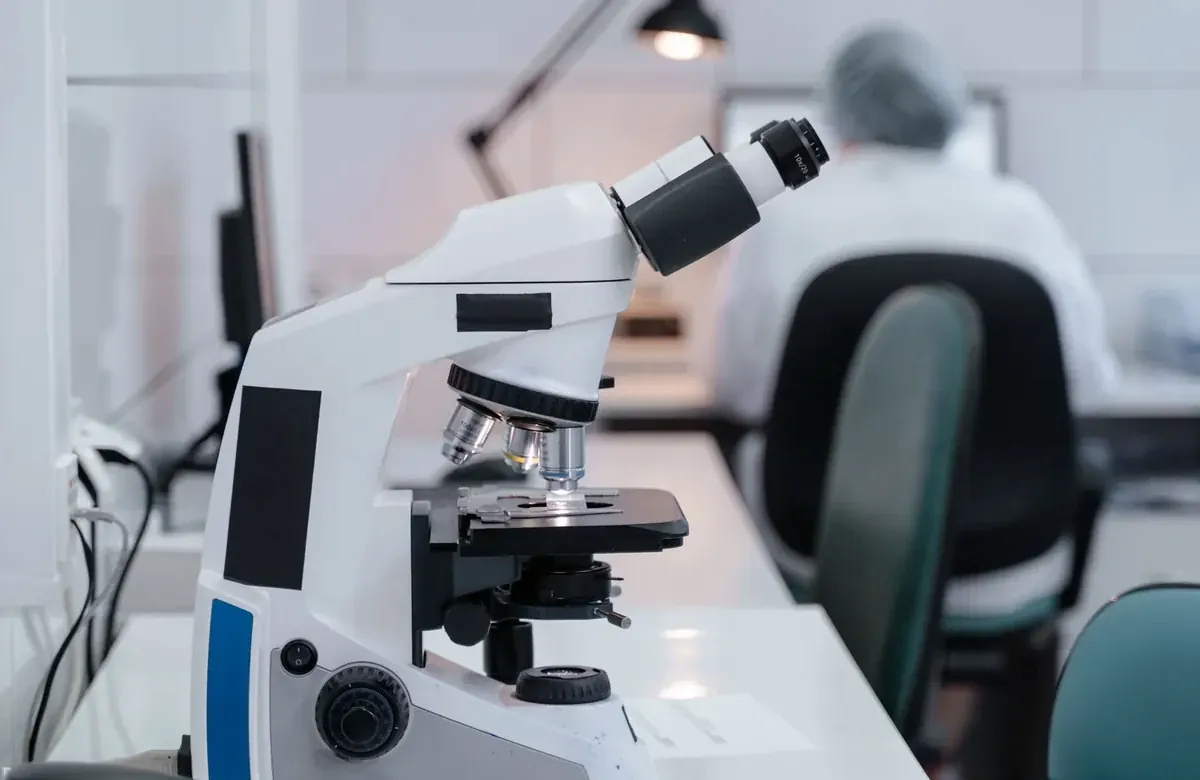
Select a course, practical training, internship, project, workshop or summer pathway based on academic level, preferred dates and expected outcome.
Short-term introduction to essential subject concepts and learning discipline.
Technique-focused learning around selected laboratory or computational workflows.
Academic-duration exposure connecting theory, observation and applied learning.
Final-year or dissertation-linked support for topic, method and documentation planning.
Focused learning for student groups, college departments and topic-specific batches.
Vacation-period pathway planned around learner level, dates and available scope.
Learners from relevant science, health, engineering or interdisciplinary backgrounds can discuss a suitable biochemistry pathway based on academic fit.
BSc and MSc learners seeking assay, analytical and project-linked practical exposure.
Learners connecting biochemical methods with molecular and applied biotechnology.
Students exploring microbial metabolism, enzymes and biochemical testing.
BPharm, MPharm and pharmaceutical science students requiring analytical foundations.
Laboratory-oriented learners strengthening biomolecule and assay concepts.
Food Technology, Nutrition, Botany, Zoology and related learners can enquire.
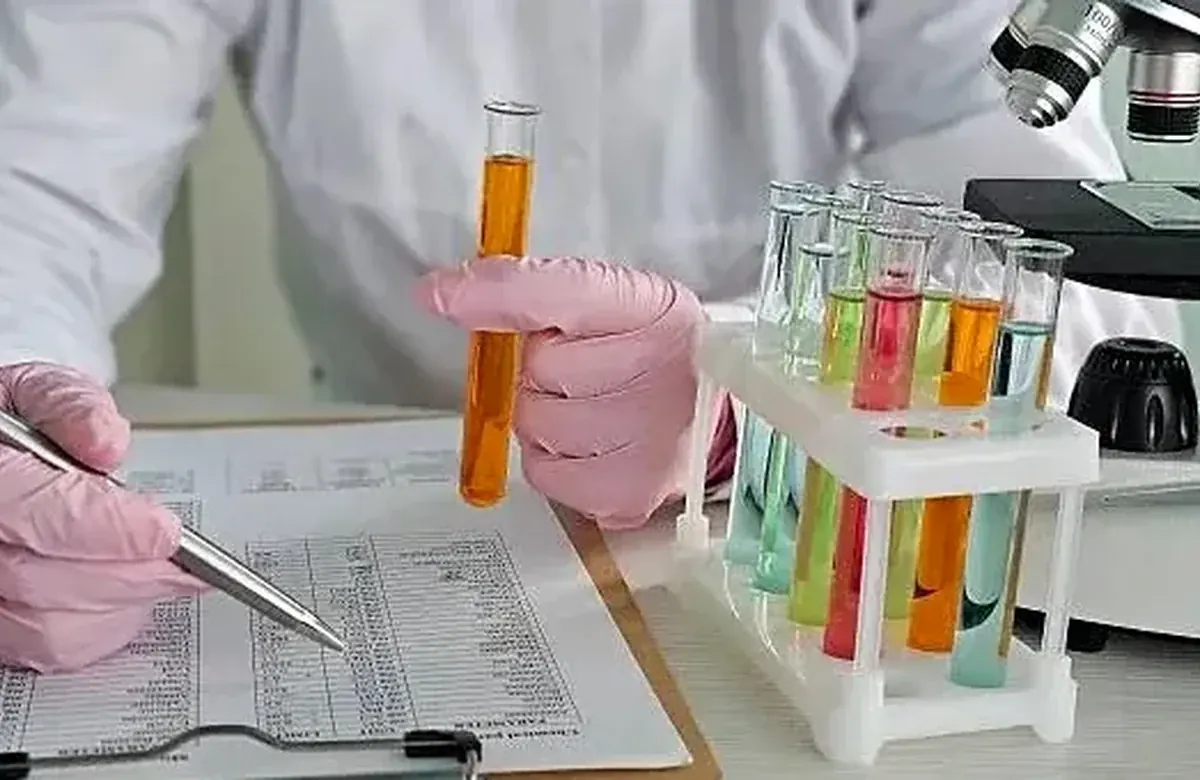
The final module list depends on learner level, practical or computational feasibility, available resources, safety and confirmed duration.
Carbohydrates, proteins, lipids and nucleic-acid concepts.
Buffer preparation logic, pH measurement and experimental control.
Quantitative assay concepts, standards and result interpretation.
Enzyme activity, variables, kinetics awareness and data recording.
Qualitative and quantitative biochemical analysis concepts.
Absorbance, calibration and analytical measurement foundations.
Separation principles, workflow awareness and result reading.
Screening concepts, assay planning and interpretation awareness.
Move from biochemistry course learning to college batches, projects, internships, workshops or summer training through the relevant pathway.
Select a subject course or practical learning format.
Coordinate department batches, workshops and practical modules.
Discuss mini-project, final-year and dissertation pathways.
Explore academic internship and practical exposure options.
Plan focused workshops for students and college departments.
Enquire about vacation-period and short-term learning schedules.
The practical pathway is confirmed after reviewing academic level, assay feasibility, sample requirements, equipment and available duration.
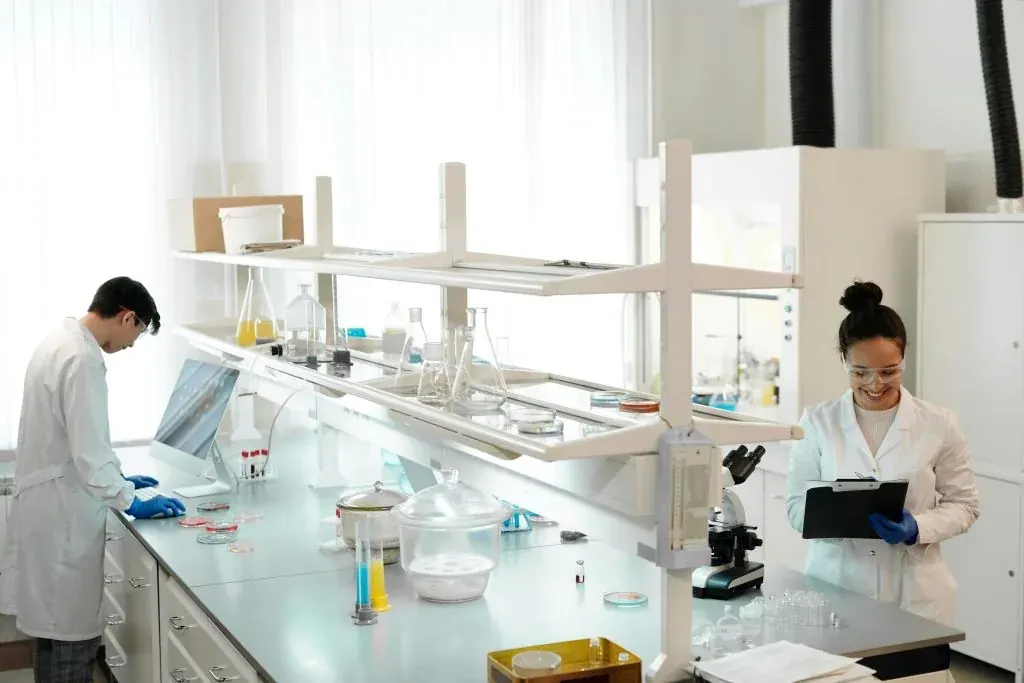
Biochemistry learning is matched to the learner’s foundation in biomolecules, calculations, assay principles, sample type and required analytical outcome.
Build buffer, pH, concentration, biomolecule and basic assay understanding with careful calculation practice.
Strengthen standard curves, enzyme or protein assays, analytical controls, replicates and result interpretation.
Connect a biochemical objective with sample preparation, method selection, controls, data analysis and dissertation planning.
Review focused enzyme, protein, metabolite, phytochemical or analytical workflows and method limitations.
Develop assay discipline, instrument awareness, calculation accuracy and documentation readiness.
Coordinate buffer, spectrophotometry, enzyme, protein-estimation or analytical-data workshops.
The expected output is defined before registration so each subject pathway develops relevant skills instead of repeating a generic course format.
Work with concentration, dilution, units, pH and preparation calculations more confidently.
Relate sample, reagent, standard, blank and control requirements to the biochemical objective.
Understand how spectrophotometric or other selected measurements are produced and checked.
Organise readings, plots, replicates and calculations for meaningful comparison.
Recognise variation, sensitivity, limitations and the need for suitable controls.
Move toward analytical training, internship or biochemical project work with clearer method foundations.
The pathway is confirmed through a subject-specific review of learner background, objective, inputs, methods, outputs and schedule.
Provide course, academic level, assay interest, sample context and preferred dates.
Clarify whether the focus is protein, enzyme, carbohydrate, lipid, metabolite or another measurement.
Check sample preparation, reagent needs, controls, equipment, sensitivity and safety.
Confirm standards, replicates, calculations, graphs and expected academic output.
Finalise the feasible assays, learning depth, schedule and next step.
Review eligibility, assay scope, practical training, internship, project and registration details before choosing a biochemistry pathway.

The selected pathway may include biomolecule concepts, buffers, laboratory calculations, biochemical assays, analytical measurement, data interpretation and documentation according to the confirmed format.
UG, PG, final-year and research-oriented learners from Biochemistry, Biotechnology, Microbiology, Pharmacy, Biomedical, Food Science and related Life Science backgrounds can enquire.
Yes. Practical activities are selected according to learner level, assay feasibility, sample needs, safety, equipment availability and duration.
Internship-linked learning can be discussed according to academic requirements, preferred dates, analytical interests and available laboratory scope.
Final-year, mini-project and dissertation learners can discuss topic selection, methodology planning, assay feasibility, data interpretation and documentation.
Possible areas include buffers and pH, protein estimation, enzyme assays, carbohydrate and lipid analysis, spectrophotometry, chromatography concepts and phytochemical analysis.
Departments can enquire about assay-focused workshops, analytical technique modules and coordinated practical batches.
Summer or vacation training can be discussed based on preferred dates, learner level, selected assays and batch availability.
Yes. Pharmacy, Biomedical, MLT and related learners can select a pathway matched to their analytical and laboratory requirements.
Share the academic level, preferred topic, pathway type and dates. The suitable assays, learning outcomes and schedule are confirmed before registration.
Share your level, topic and duration for biochemistry training guidance.
Submit Biochemistry Enquiry