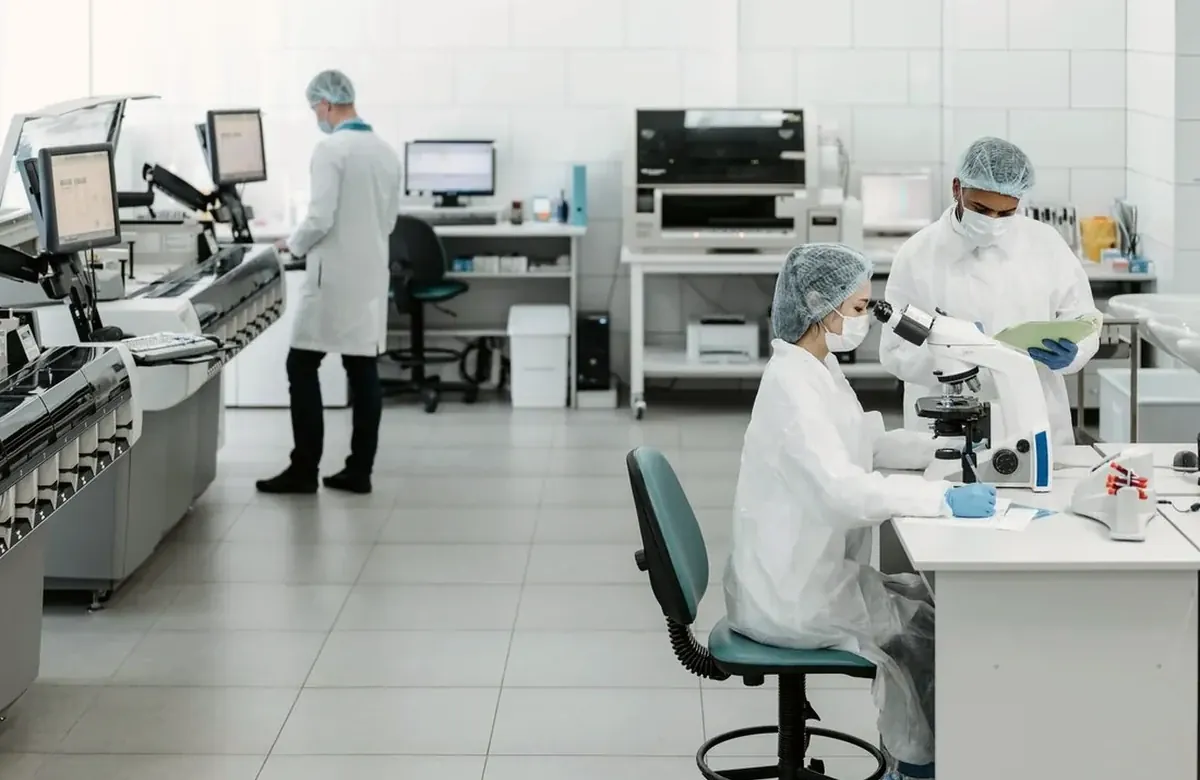
Sample & Analyte Planning
Define the sample, target parameter, preparation steps and measurement objective.
Explore project, internship and technique-training pathways covering biochemical assays, spectrophotometry, proteins, enzymes, separation methods, quality measurements and scientific interpretation.
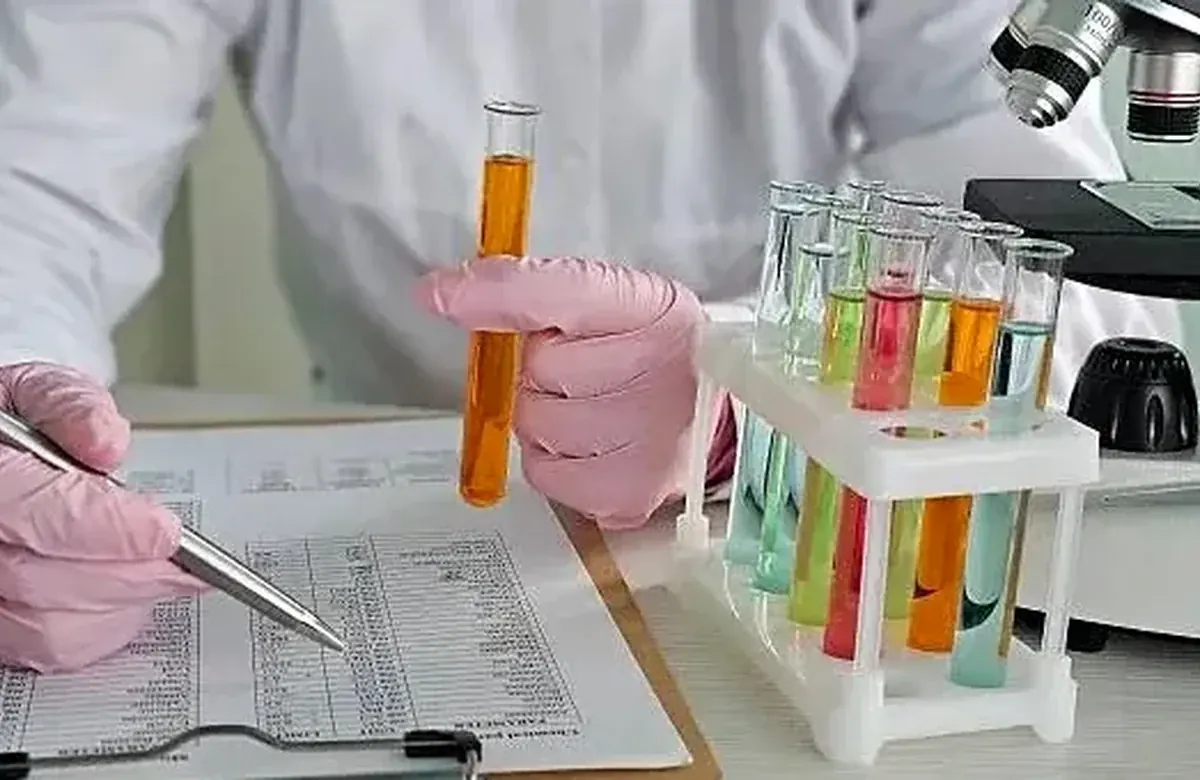
This domain connects sample preparation, biochemical reactions, instrumentation, controls and result interpretation. The final pathway is selected according to sample type, analyte, method, learner level and facility availability.
Define the sample, target parameter, preparation steps and measurement objective.
Understand standards, blanks, controls, reaction conditions and calculation logic.
Connect measurement principles with suitable instruments and operating discipline.
Record methods, calibration, observations, calculations and limitations clearly.
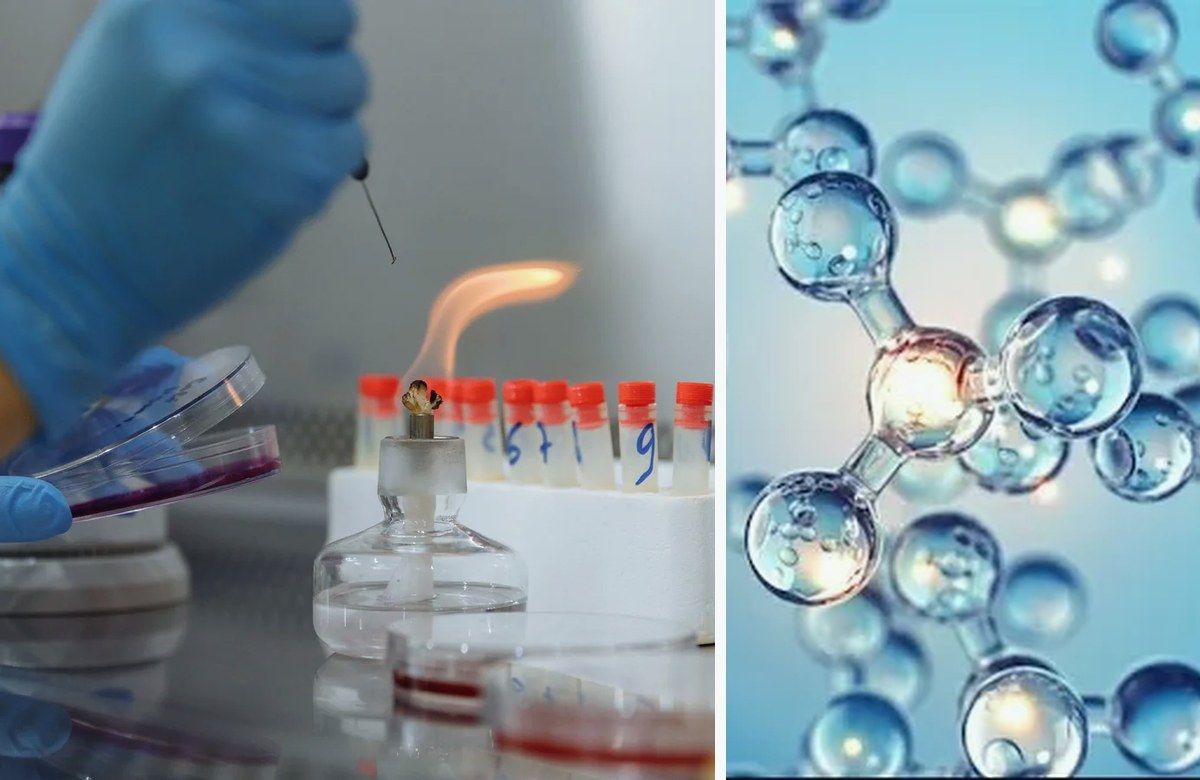
The pathway suits learners who need practical understanding of biochemical measurements, instrumentation, quality analysis or data interpretation.
UG, PG and final-year learners working with proteins, enzymes and biochemical assays.
Learners requiring analytical techniques for project, internship or practical training.
Students connecting microbial samples with biochemical or quality measurements.
Learners studying food composition, quality, enzymes, metabolites or antioxidants.
Students requiring laboratory measurement and documentation foundations.
Feasibility-based support for scholars, faculty-guided groups and institutional batches.
Topics are shortlisted after reviewing the sample, analyte, sensitivity, instrument access, method complexity and expected academic output.
Understand absorbance, wavelength selection, blanks, standards and calibration.
Review selected protein-assay principles, standards and calculation.
Explore reaction conditions, activity measurement and kinetic interpretation.
Use suitable biochemical methods for selected sample and objective.
Compare selected radical-scavenging or reducing-capacity methods.
Review chromatography, centrifugation or electrophoresis principles.
Organise repeatability, controls, calibration and acceptance considerations.
Summarise replicate data, variation, graphs and academically appropriate conclusions.
These are broad academic directions. The selected analyte, method sensitivity, sample stability, instrument access and duration must be reviewed before confirmation.
The confirmed methods depend on the sample, analyte, measurement range, instrument availability, controls, safety and duration.
Homogenisation, extraction, dilution, clarification and storage awareness.
Prepare standards, blanks and calibration data for quantitative interpretation.
Select suitable wavelength, cuvette handling and absorbance review.
Perform selected protein, enzyme, metabolite or antioxidant methods.
Use centrifugation, electrophoresis or chromatography concepts where relevant.
Organise replicates, calculations, variation, graphs and method limitations.
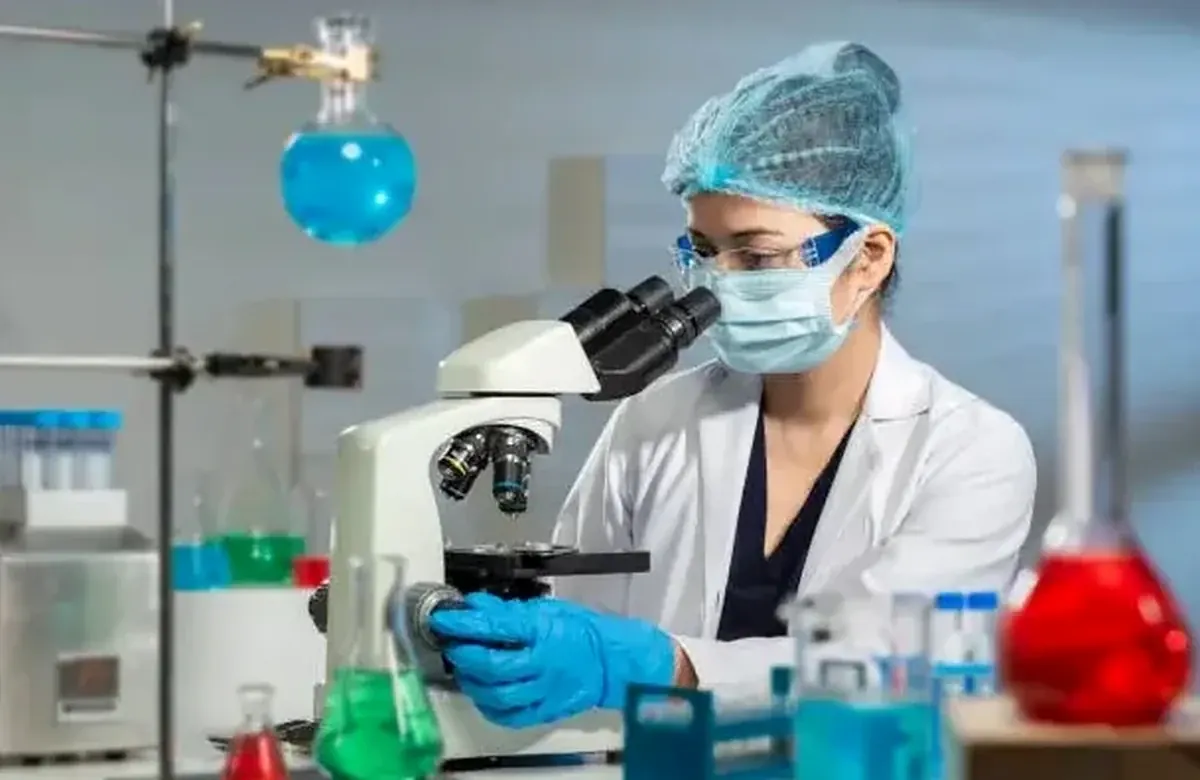
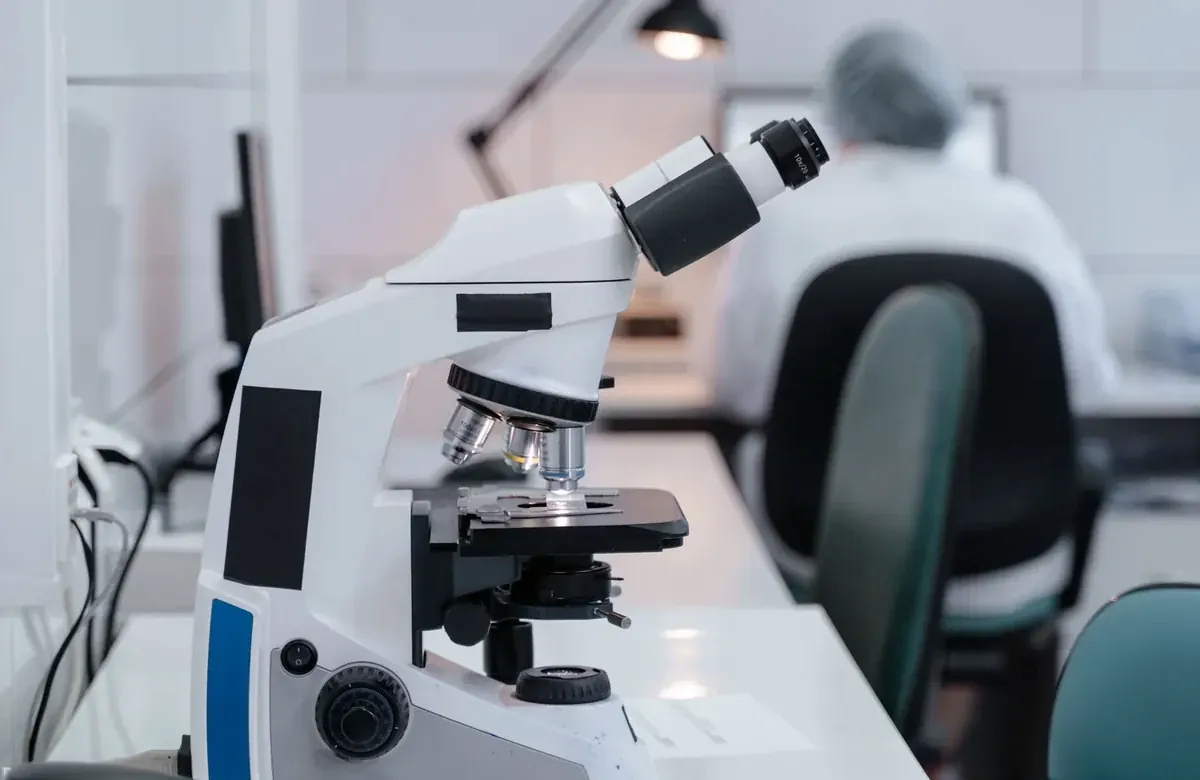
Analytical pathways start with a defined analyte or property, then align sample preparation, method range, standards, controls, instrument access, calculations and interpretation.
Build understanding of blanks, standards, controls, calibration, replicates and measurement limitations.
Define protein, enzyme, carbohydrate, lipid, metabolite or other analytical objectives with suitable samples and methods.
Connect wavelength, absorbance, standard curve, dilution, linear range and data-quality concepts.
Review separation principles, sample preparation, mobile/stationary phase concepts and interpretation where feasible.
Discuss method selection, sensitivity, interference, validation concepts, calculations and reporting.
Coordinate assay, spectrophotometry, enzyme, protein or analytical-data workshops for student groups.
The final pathway is confirmed through a domain-specific review of objective, inputs, methods, controls, access, expected evidence and academic output.
Clarify what must be measured, in which sample, for what academic purpose and expected range.
Check collection, storage, extraction, dilution, interference, stability and safety requirements.
Match sensitivity, specificity, available standards, controls and instrument access to the objective.
Plan blanks, calibration, replicates, units, acceptance checks, graphs and variation review.
Relate measured values to the academic question while documenting uncertainty and method limitations.
Review sample suitability, assay selection, instrument access and registration requirements before choosing this domain.
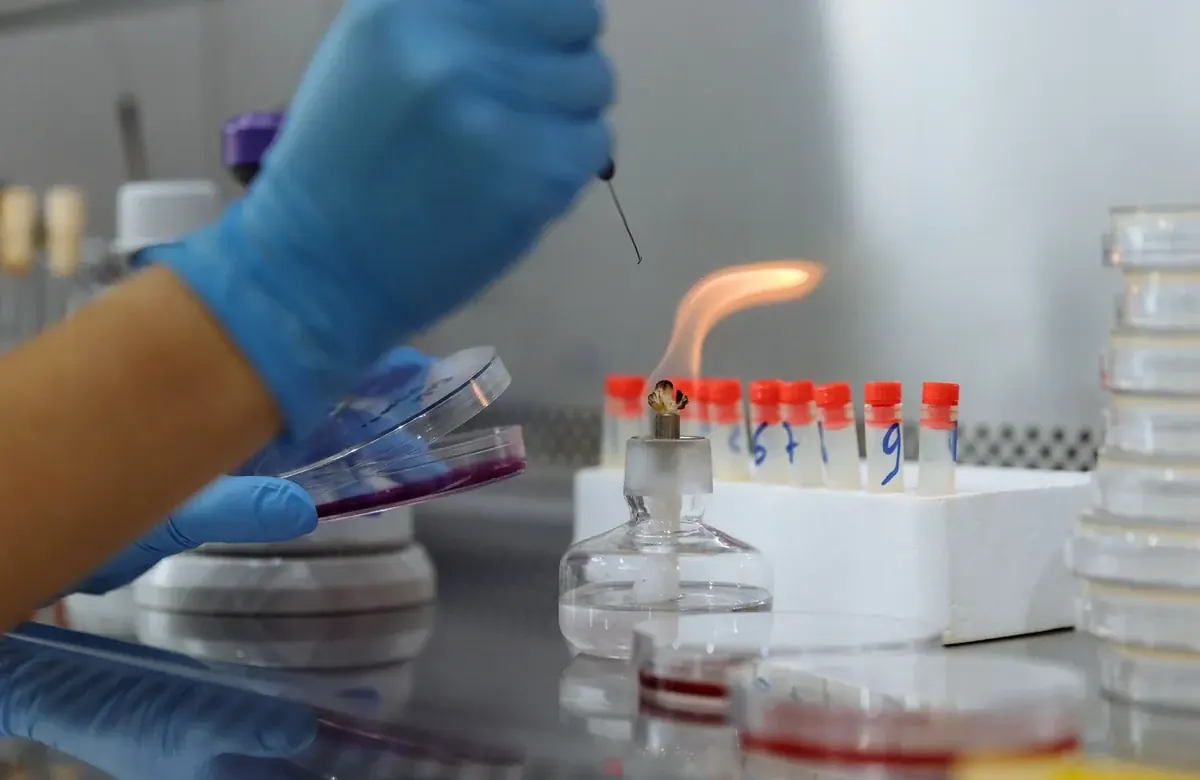
Learners from biochemistry, biotechnology, microbiology, food science, biomedical and related life-science disciplines can enquire according to academic fit.
The confirmed assays depend on the sample, analyte, method sensitivity, reagent availability, instrument access and expected output.
Yes. A project can be reviewed after checking the analytical objective, sample type, controls, duration and university requirement.
Spectrophotometric concepts and selected workflows may be included when they support the confirmed pathway and instrument access is available.
Selected enzyme activity, production or application themes can be discussed according to sample, method and practical feasibility.
Only after prior review of sample source, safety, stability, storage, permissions and analytical suitability.
No. Instrument access is confirmed only after reviewing the required technique and schedule.
Feasibility-based assay planning, selected measurements, data organisation or documentation support can be discussed.
Share the course, academic level, sample, analyte or technique interest, duration and expected university output.
Use the training registration form and select Analytical / Biochemical Techniques, or contact the team for an initial review.
Share your course, academic level, sample or analyte, technique interest, project or training purpose, duration and expected academic outcome.
Submit Analytical Enquiry