Molecular Biology, PCR & RT-PCR
DNA, RNA, PCR workflows, molecular analysis and research-oriented technique guidance.
Explore Research Area →Explore research domains for biotechnology projects, internships and practical training. Select a pathway according to your course, academic level, technique interest and expected outcome.

Each domain page explains the subject focus, suitable learners, practical themes and the related project or training route.
DNA, RNA, PCR workflows, molecular analysis and research-oriented technique guidance.
Explore Research Area →
Sequence analysis, biological databases, computational workflows and molecular interpretation.
Explore Research Area →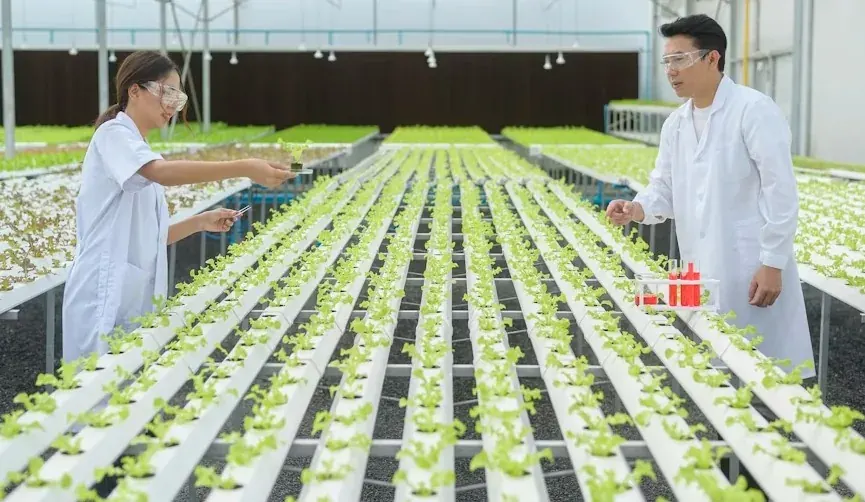
Food quality, agricultural applications, plant-related studies and applied biotechnology themes.
Explore Research Area →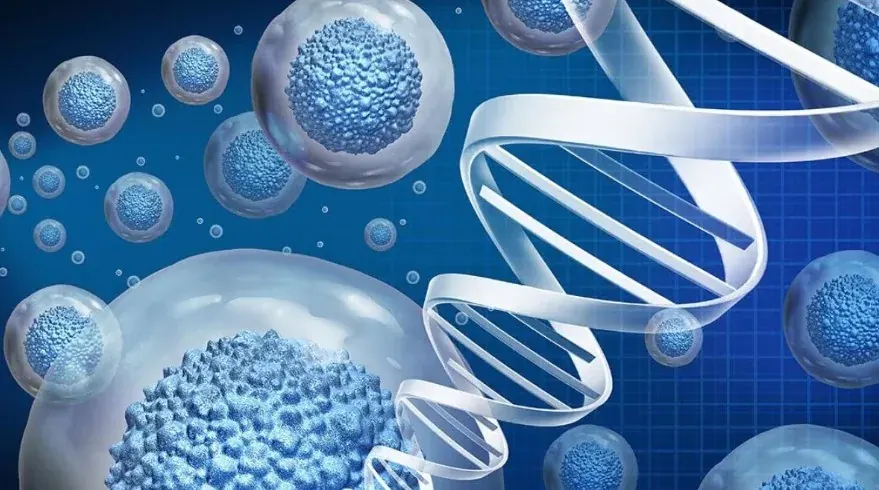
Cell-oriented concepts, tissue engineering foundations, aseptic workflow and biomaterial themes.
Explore Research Area →
Nanomaterial synthesis concepts, characterisation approaches and interdisciplinary applications.
Explore Research Area →
Assays, measurement, instrumentation awareness, data interpretation and analytical workflows.
Explore Research Area →
Marine resources, bioactive compounds, natural-product screening and applied research themes.
Explore Research Area →These themes help learners identify a broad direction before a specific title, objective and method plan are finalised.
Isolation, culture, staining, identification and antimicrobial research themes.
DNA, RNA, PCR, molecular detection and genetic-analysis concepts.
Protein, enzyme, metabolite and analytical measurement pathways.
Plant extracts, food quality, agricultural and applied biotechnology themes.
Sequence, database, structural and biological-data analysis themes.
Nanoparticle, material interaction and characterisation-oriented concepts.
Cell culture, tissue engineering and biomaterial-oriented pathways.
Marine resources, phytochemicals, bioactive compounds and screening themes.
The suitable domain depends on the learner's core discipline, current academic level, available duration and practical feasibility.
UG, PG, final-year and dissertation learners seeking subject-aligned projects.
Microbial, biochemical, analytical and natural-product research pathways.
Computational and molecular research themes for data-oriented learners.
Interdisciplinary pathways mapped after reviewing the department requirement.
A domain can lead to different academic pathways. The format is selected only after the expected outcome and duration are clarified.
Topic-focused project routes mapped to course level, duration and feasible methods.
Research-domain selection with objective, workflow and academic documentation guidance.
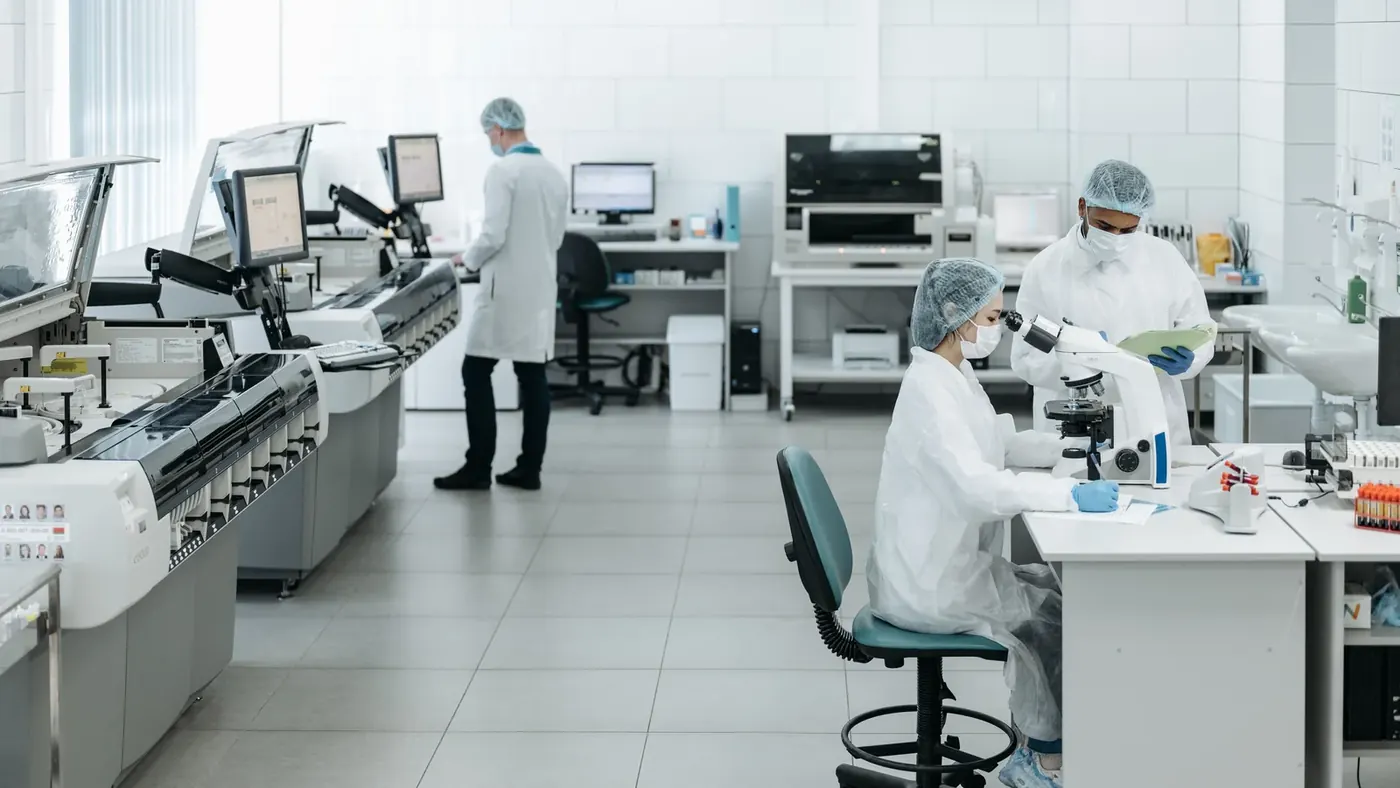
Domain-oriented laboratory observation, practical learning and scientific recording.
Method-based learning for molecular, microbiological, biochemical or analytical workflows.
Feasibility-based guidance for advanced methods, analytical planning and specialised themes.
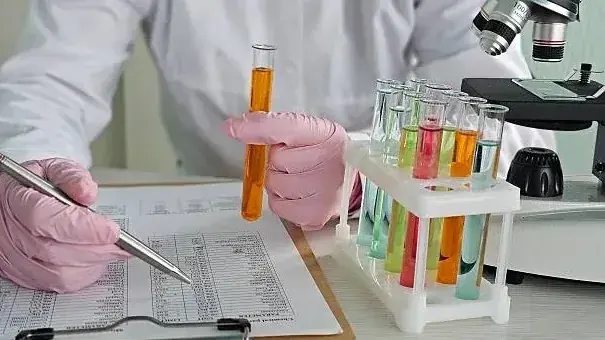
Method selection is based on the research objective, learner level, facility availability, safety requirements and confirmed scope.
The process keeps the academic need, topic interest, available methods and expected output aligned before the pathway is confirmed.
Mention course, department, academic level and university requirement.
Select a preferred subject area or request guidance when the topic is not finalised.
Match the objective with duration, methods, facility access and safety limitations.
Finalise a suitable research direction and the related project, training or internship route.
Organise the topic, objective, method sequence and expected academic output.
Proceed to project discussion, internship application or training registration.
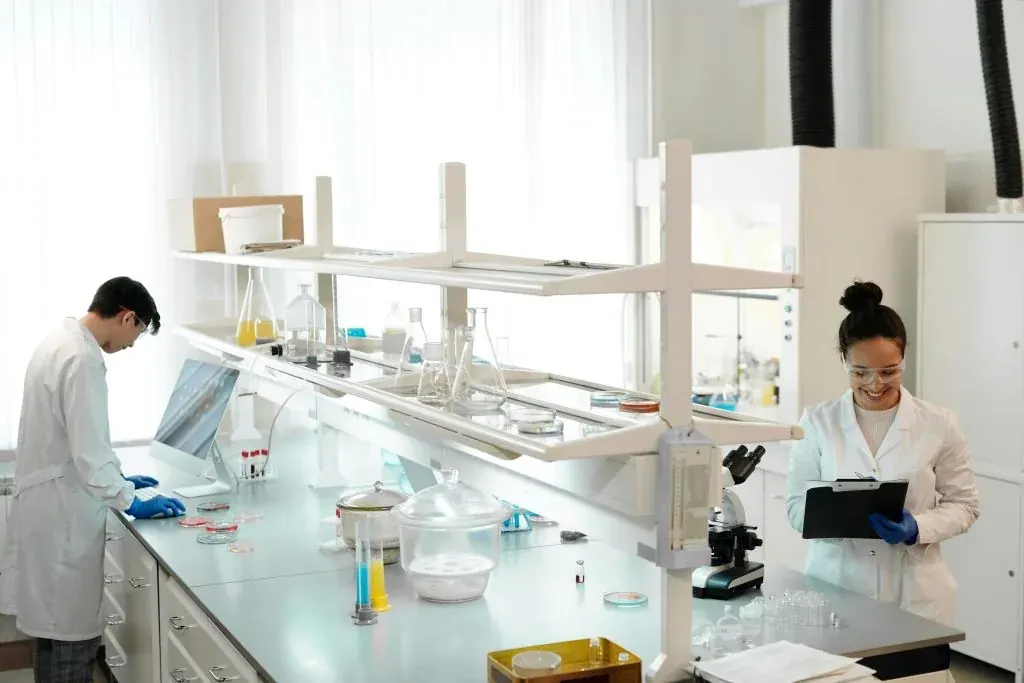
The enquiry can begin even when the exact topic is not yet finalised. Start with the academic requirement and preferred subject direction.
Identify a feasible area connected to the course and academic purpose.
Understand which methods may suit the proposed research objective.
Clarify whether the need is training, internship, project work or dissertation support.
Discuss documentation, presentation and viva-related expectations.
Review domain selection, eligibility, project formats, methods and next-step options before submitting an enquiry.
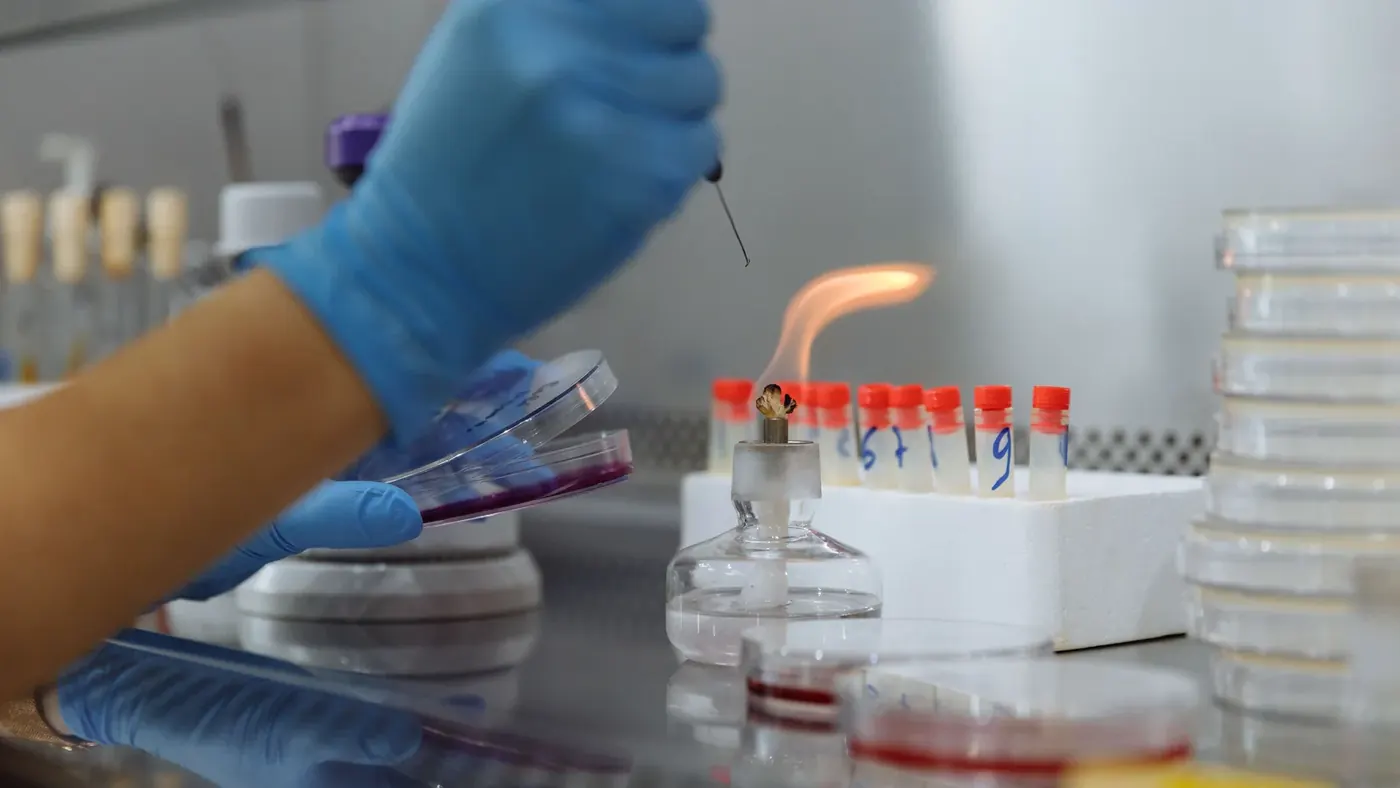
Available pathways include molecular biology, PCR, bioinformatics, food and agricultural biotechnology, cell and tissue engineering, nanotechnology, analytical biochemistry, marine biotechnology and natural-product themes.
Yes. Share your course, academic level, duration and broad subject interest. A suitable direction can be discussed after reviewing feasibility.
Biotechnology, microbiology, biochemistry, bioinformatics, molecular biology and related life-science learners can enquire. Engineering and allied-health requirements are mapped according to subject fit.
Yes. Mini, major, final-year, postgraduate dissertation and research-oriented requirements can be discussed according to the learner level and available scope.
The practical component depends on the selected domain, confirmed format, laboratory availability, safety requirements and duration. Bioinformatics pathways may include computational work instead.
Yes. The same subject domain can support a technique-training, internship or project pathway, but the learning outcome and depth will differ.
Documentation, result organisation, report structure, presentation or viva guidance may be included according to the confirmed program scope.
Use the program registration page or contact the team with your course, academic level, preferred domain, duration and expected outcome.
Share your course, academic level, preferred subject area, duration and expected outcome. The team can guide a suitable project, internship or training pathway.
Discuss a Research Area