Mini Projects
Short-duration academic projects with a focused objective, defined workflow and achievable learning outcome.
Structured biotechnology project guidance for undergraduate, postgraduate and research learners—from topic direction and methodology planning to practical workflow, result interpretation, report structure and viva preparation.
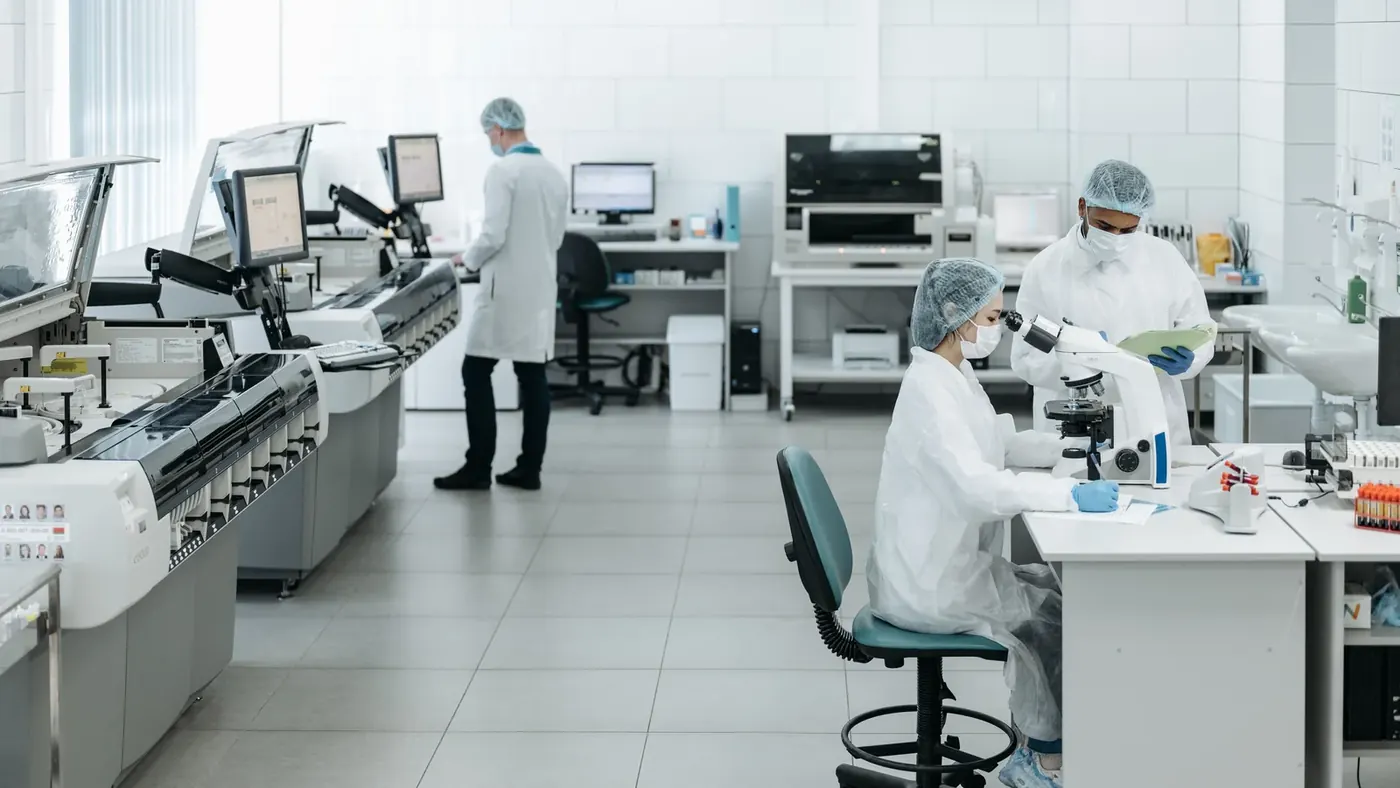
Project scope is planned according to course, academic level, available duration, university requirement and laboratory feasibility.
Short-duration academic projects with a focused objective, defined workflow and achievable learning outcome.
Extended project support for broader experimentation, observation and result interpretation.
Structured UG and PG project guidance aligned with academic submission and viva requirements.
Postgraduate dissertation planning with objective setting, experimental workflow and documentation.
Feasibility-based technical, experimental and analytical support for research-oriented work.
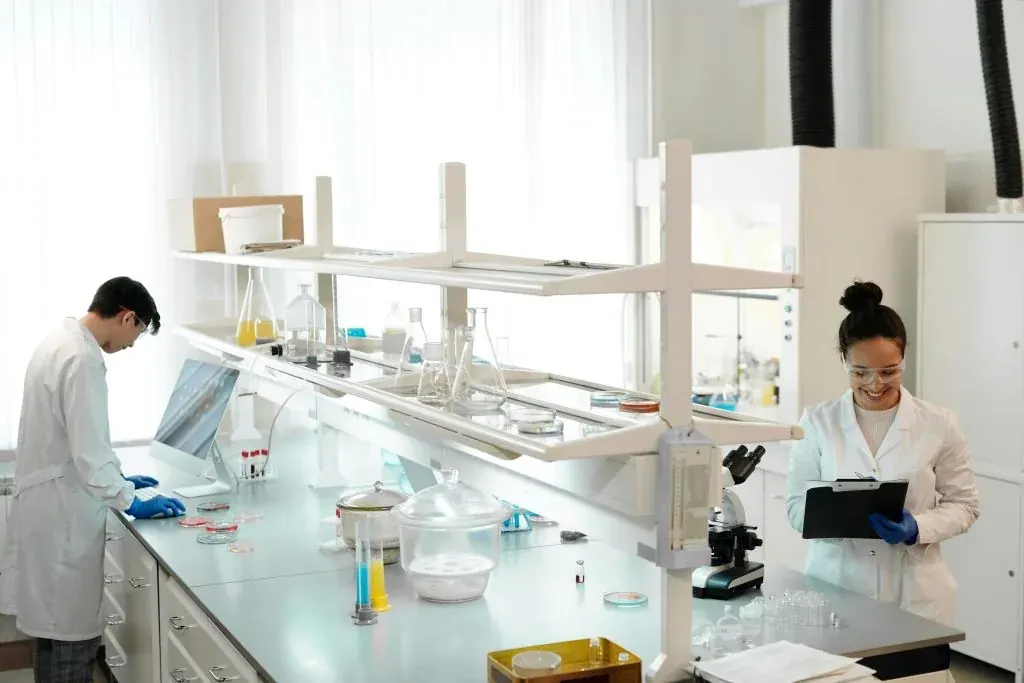
Students and research learners can enquire based on course background, project objective and required academic outcome.
BSc Biotechnology, Microbiology, Biochemistry, Life Sciences, BTech Biotechnology and related programs.
MSc Biotechnology, Microbiology, Biochemistry, Bioinformatics, Molecular Biology and allied bioscience courses.
MPhil learners, PhD scholars and faculty-guided candidates requiring feasible technical support.
Final topic confirmation depends on academic relevance, duration, technique availability, safety and expected output.
Nucleic-acid workflows and molecular analysis.
Culture, screening and applied microbial studies.
Enzyme, protein and biochemical assay workflows.
Sequence, database and computational analysis.
Synthesis, characterization and application themes.
Food quality, plant and agricultural biotechnology.
Cell, tissue and biomaterial-oriented pathways.
Spectrophotometric and biochemical techniques.


These examples indicate possible directions. A final topic is confirmed only after checking academic relevance, duration, feasibility and available methods.
The agreed support scope is organised around project understanding, practical workflow and submission readiness.
Relevant and feasible project direction.
Clear objective and sequence of work.
Method selection aligned with the objective.
Practical workflow according to confirmed scope.
Organisation and understanding of observations.
Academic arrangement of project chapters.
Clear explanation of problem, method and result.
Concept clarification linked to project work.
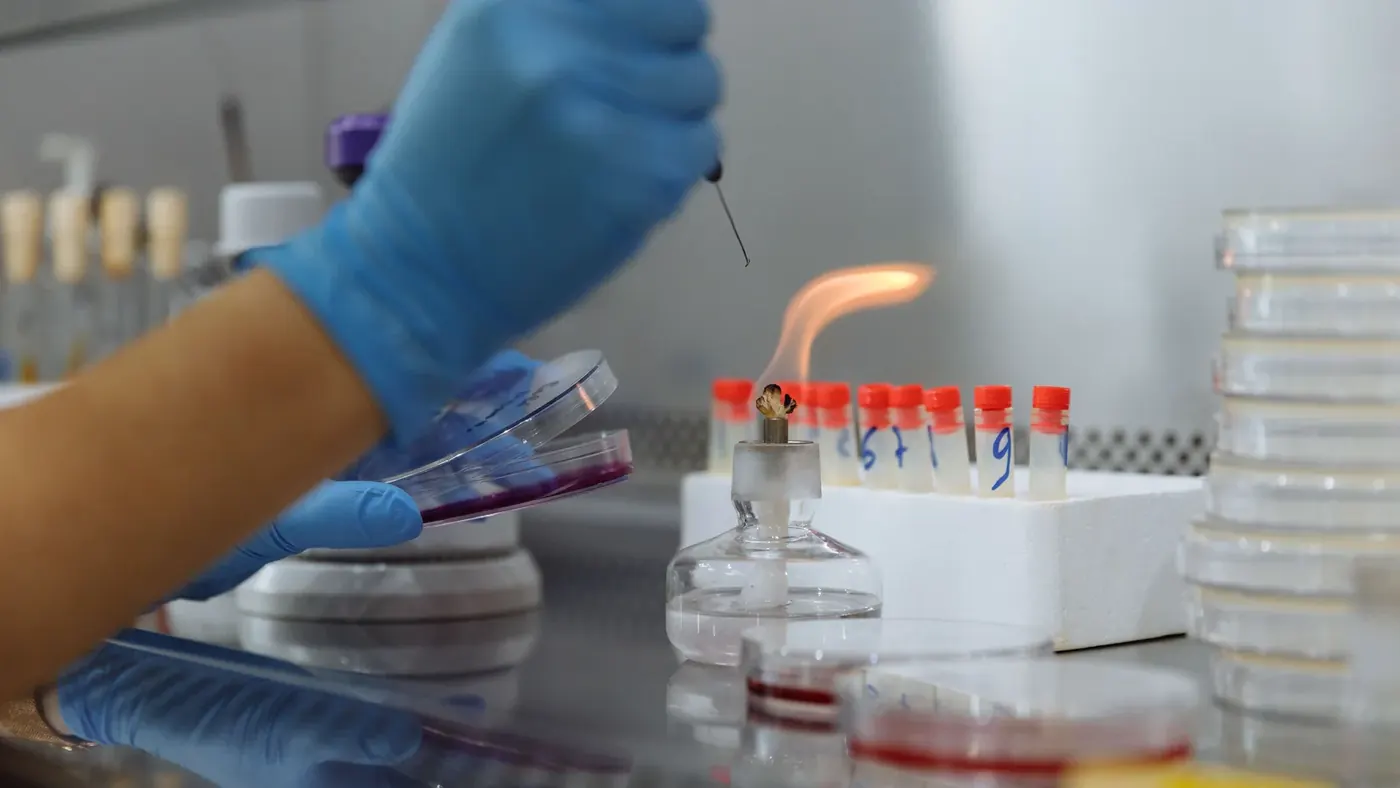
Each stage keeps the academic requirement, selected domain, practical workflow and final submission connected.
Course, year, university requirement, duration and submission format.
Choose a suitable domain based on background, interest and duration.
Review topic, objective, methods, feasibility and achievable outcome.
Follow the agreed laboratory or analytical workflow and record observations.
Organise data and connect findings with the project objective.
Structure the report, presentation and concepts required for viva.

Technique access depends on the confirmed objective, safety requirements, available equipment, batch schedule and agreed scope.
Nucleic-acid and PCR-related project pathways where applicable.
Culture handling, isolation, screening and observation.
Protein, enzyme and related biochemical estimation methods.
UV-Visible and related analytical measurements.
Visual and separation-based techniques where required.
Database, sequence and computational workflows.
The student’s course, objective, practical method and submission requirement are connected through one structured workflow.
Review eligibility, project formats, duration, laboratory scope and enquiry requirements before selecting a project pathway.
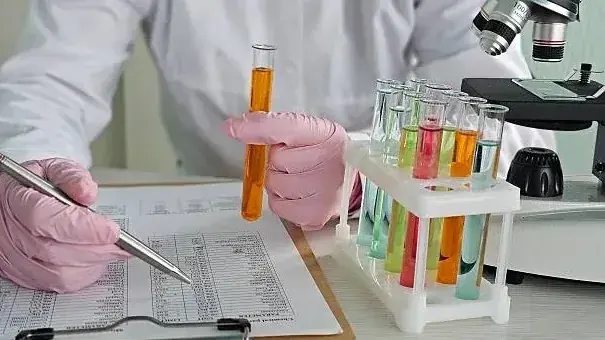
UG, PG and research learners from biotechnology, microbiology, biochemistry, bioinformatics, molecular biology, life sciences and related courses can enquire according to project fit.
Yes. Relevant undergraduate and postgraduate final-year requirements can be discussed subject to selected domain, duration and feasibility.
Mini, major, final-year and dissertation-oriented requirements can be considered according to expected output and available scope.
A proposed topic can be reviewed for academic relevance, feasibility, method requirements and available duration before confirmation.
Possible domains include molecular biology, microbiology, biochemistry, bioinformatics, nanotechnology, food and agricultural biotechnology, cell and tissue engineering and analytical biotechnology.
Laboratory exposure may be included according to the confirmed scope, technique, safety requirements and facility availability.
Duration varies by project format, technique, academic schedule and expected outcome. Share the start date and submission deadline during enquiry.
The agreed scope may include result interpretation, report structure, presentation preparation and concept clarification for viva readiness.
Colleges and departments can discuss batch-based project pathways according to student count, domain, schedule and required academic output.
Share course, academic level, preferred domain, project format, duration, submission deadline and university requirement.
Share your course, academic level, preferred domain, project format, duration and university requirement for a focused project discussion.
Discuss Your Project