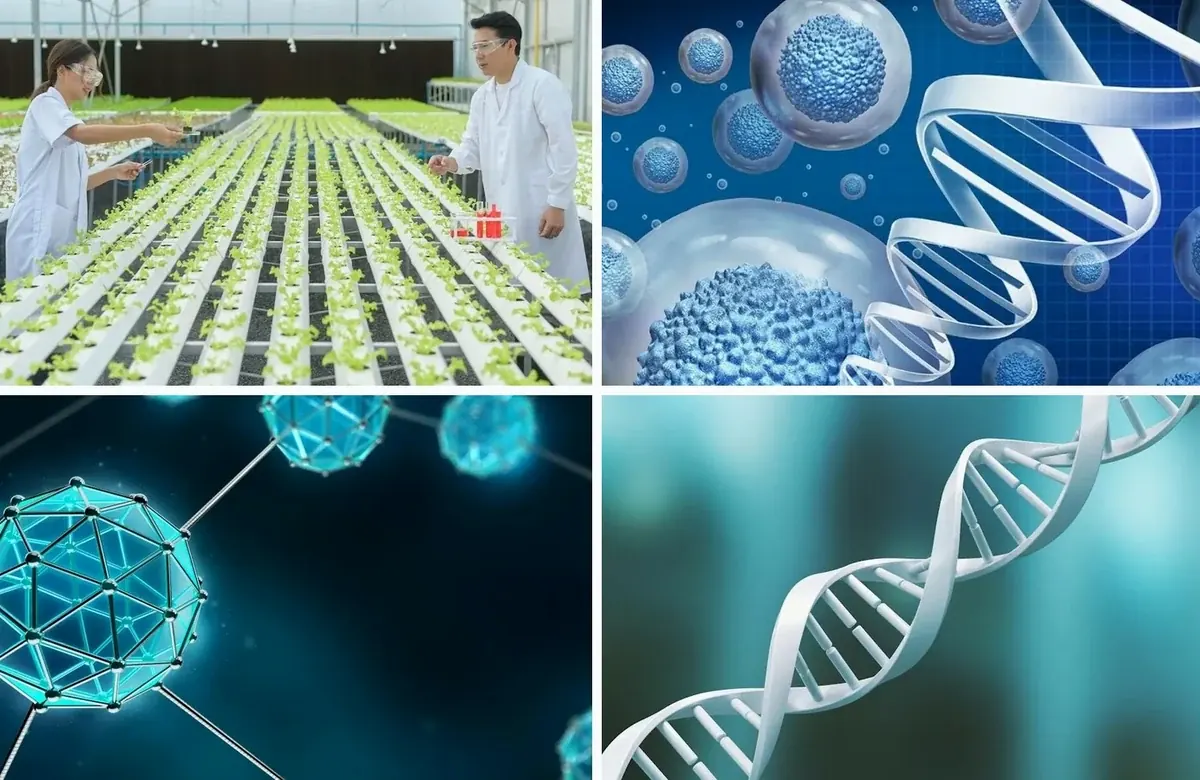
Material Foundations
Understand nanoscale behaviour, material selection, preparation variables and application fit.
Explore interdisciplinary project, internship and training pathways covering nanoparticle concepts, green synthesis, material characterisation, bioapplications and scientific interpretation.

This domain connects material preparation, nanoscale properties, analytical characterisation and biological or environmental applications. The final pathway is selected according to material type, objective, facilities and duration.
Understand nanoscale behaviour, material selection, preparation variables and application fit.
Explore chemical, biological or green synthesis concepts under suitable conditions.
Connect optical, structural, morphological and stability measurements with material properties.
Review selected antimicrobial, catalytic, environmental or biomaterial applications academically.
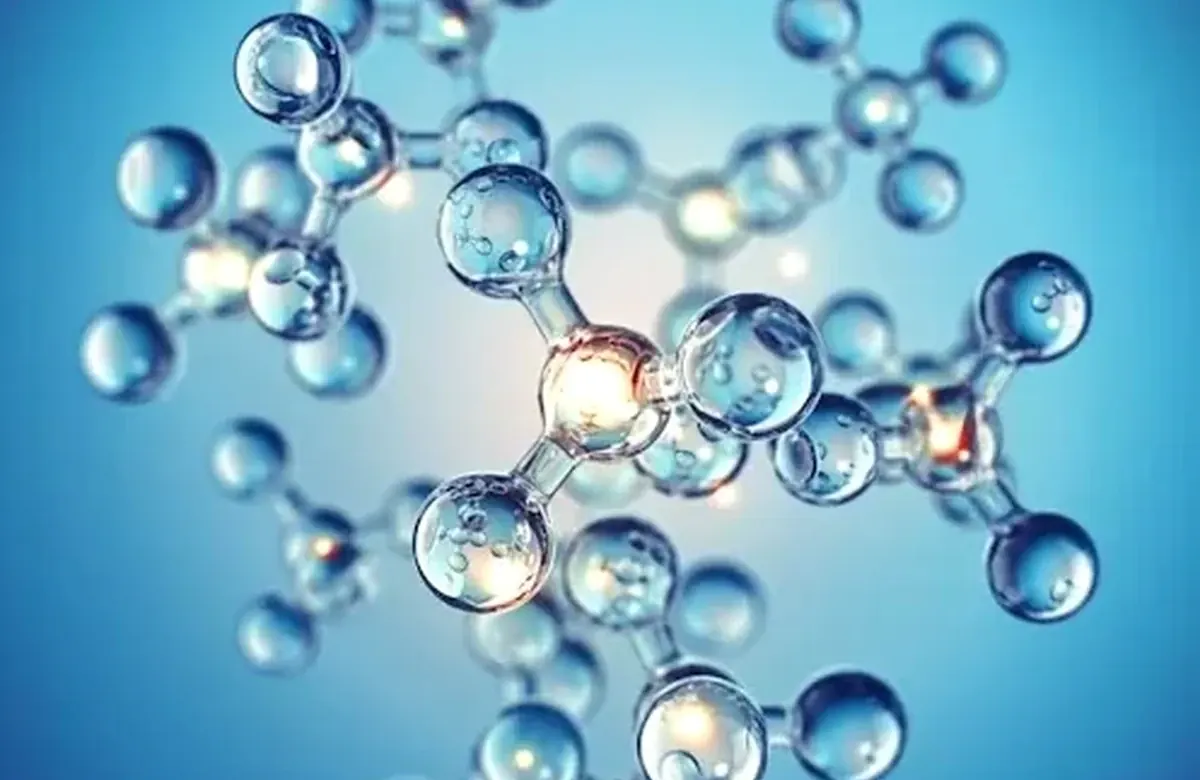
The pathway suits learners interested in interdisciplinary work across biotechnology, chemistry, materials, environment, biomedical applications and analytical science.
UG, PG and final-year learners exploring nanobiotechnology and biological applications.
Learners interested in synthesis, reaction variables and material characterisation.
Students studying material properties, surfaces, composites or nanoscale systems.
Learners exploring biomaterial, antimicrobial or delivery-oriented academic concepts.
Students connecting nanomaterials with environmental analysis or remediation themes.
Feasibility-based support for scholars, faculty-guided groups and institutional batches.
Topics are selected after reviewing the material system, synthesis route, available instruments, application model, safety and expected academic output.
Review suitable preparation routes, reaction variables and formation concepts.
Explore plant, microbial or biomolecule-assisted synthesis approaches.
Interpret absorbance, colour change and selected spectroscopic evidence.
Review particle size, shape, aggregation and imaging-based observations.
Study dispersion, storage, pH or coating-related stability themes.
Evaluate selected material-microbe interactions using suitable academic methods.
Explore adsorption, degradation or remediation-oriented concepts.
Review incorporation of nanomaterials into selected matrices or composites.

These are broad academic directions. Material safety, synthesis feasibility, characterisation access and application methods must be reviewed before confirmation.
The technique list depends on the material system, preparation route, safety, instrument access, selected application and duration.
Weighing, solution preparation, reaction setup and controlled processing.
Prepare biological extracts or reducing systems under confirmed conditions.
Use suitable optical measurements to track formation or material response.
Review dispersion, colour, pH, storage or aggregation behaviour.
Use selected antimicrobial, adsorption or material assays where feasible.
Connect synthesis variables, measurements, controls and application outcomes.
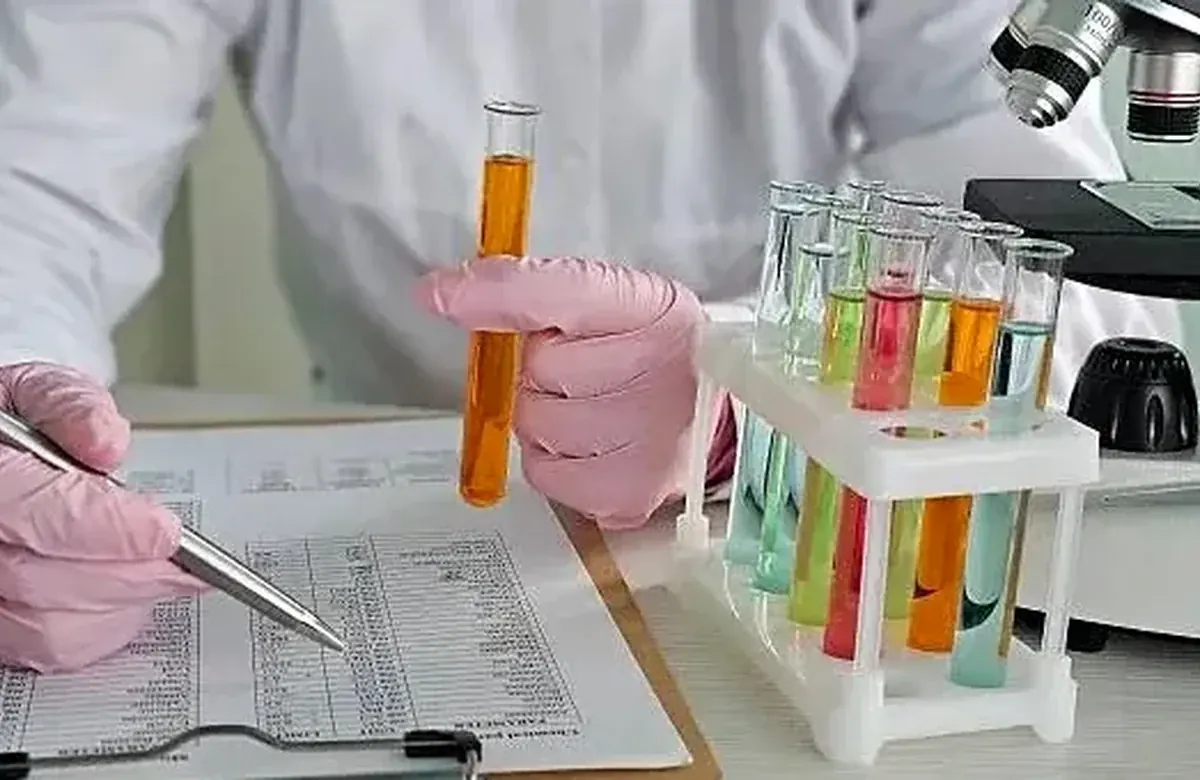
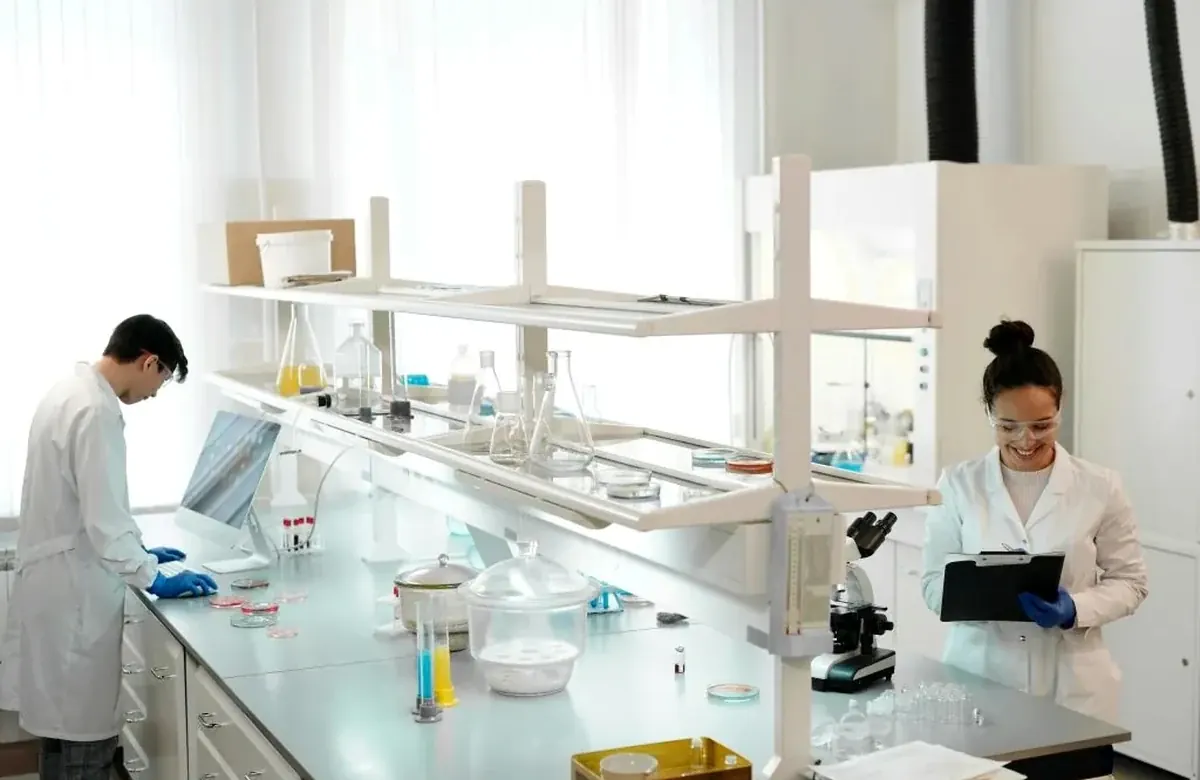
Nanotechnology pathways connect a defined material and application with synthesis variables, characterisation access, safety, bioapplication testing and evidence-based interpretation.
Review precursor, reducing or stabilising conditions, process variables, purification and safe handling concepts.
Connect biological source, extraction, synthesis conditions, controls and evidence needed to support formation claims.
Select feasible optical, size, surface, structural or morphology measurements and understand what each can and cannot prove.
Plan antimicrobial, antioxidant, enzyme or other academic tests with suitable controls and safety review.
Define material composition, application, comparison, stability, reproducibility and reporting limitations.
Coordinate synthesis, characterisation, biomaterials or nanobiotechnology awareness modules for student groups.
The final pathway is confirmed through a domain-specific review of objective, inputs, methods, controls, access, expected evidence and academic output.
Clarify nanoparticle, biomaterial or composite type, intended use and academic question.
Review precursors, biological or chemical inputs, conditions, controls, safety and waste considerations.
Match required evidence with available instruments, sample preparation, schedule and interpretation limits.
Define suitable screening, reference controls, concentration range, replicates and safety requirements.
Integrate synthesis, characterisation and application data without claiming more than the measurements support.
Review course suitability, material safety, instrument access and registration requirements before choosing this domain.
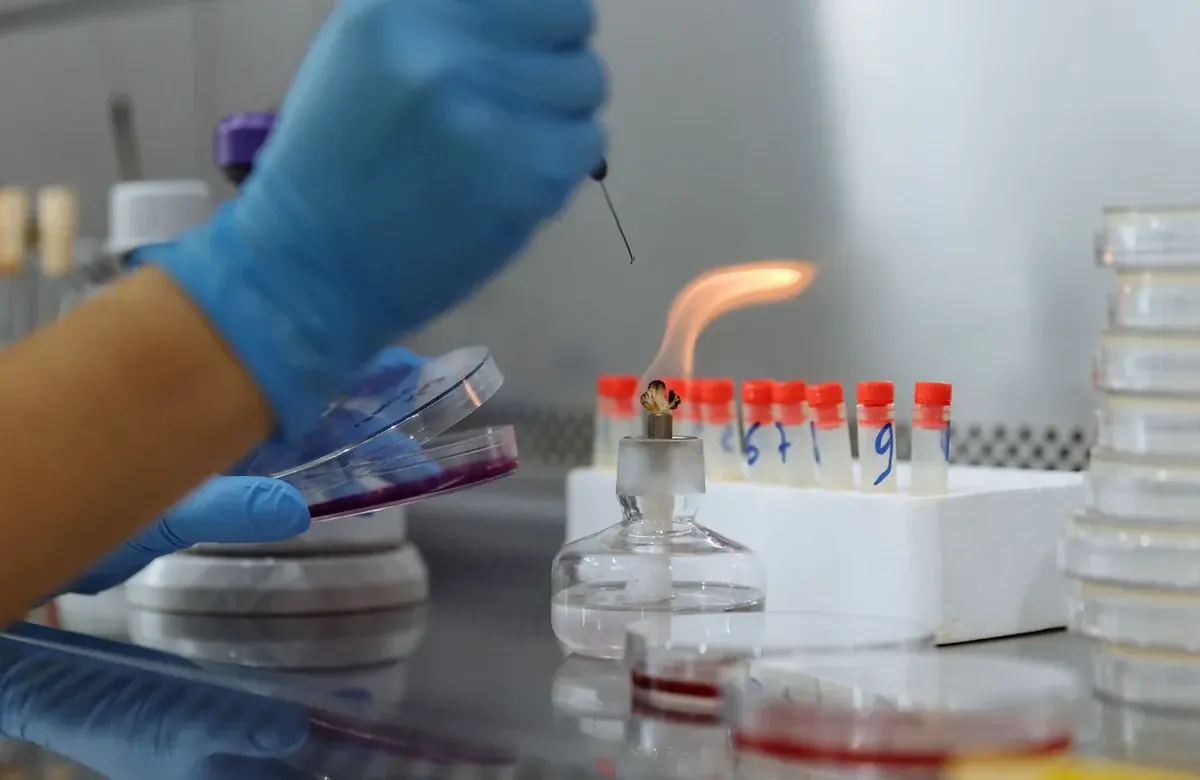
Learners from biotechnology, chemistry, materials science, biomedical, environmental science and related engineering disciplines can enquire according to academic fit.
No. Synthesis depends on material safety, chemical availability, facilities, waste handling, duration and technical feasibility.
Plant-, microbial- or biomolecule-assisted synthesis themes may be discussed when the biological material and analytical scope are suitable.
The confirmed methods depend on instrument access and may include selected optical, physical, morphological or stability-oriented measurements.
Yes, after reviewing the material system, application objective, characterisation needs and university timeline.
Selected antimicrobial applications can be reviewed according to material safety, microbial scope, controls and facility availability.
Students from biotechnology, biomedical, chemical, materials and related engineering branches can enquire when the topic has suitable academic fit.
No. Instrument availability is confirmed only after reviewing the required characterisation and schedule.
Share the course, academic level, proposed material or application, duration, available data and expected university output.
Use the training registration form and select Nanotechnology, or contact the team for an initial feasibility review.
Share your course, academic level, material or application interest, project or training purpose, duration and expected academic outcome.
Submit Nanotechnology Enquiry