Arts & Science Colleges
Biotechnology, Microbiology, Biochemistry, Bioinformatics, Botany, Zoology and interdisciplinary bioscience departments.
View institutional pathwayCoordinate project guidance, practical training, internships, workshops and laboratory-oriented learning for Arts & Science, Engineering, Allied Health Science, Pharmacy and related college departments in Chennai.
Each institution type has different course structures, laboratory exposure and academic outcomes. Select the closest pathway before discussing a customised program.
Biotechnology, Microbiology, Biochemistry, Bioinformatics, Botany, Zoology and interdisciplinary bioscience departments.
View institutional pathway
Biotechnology Engineering, Biomedical Engineering, Food Technology, Agricultural Biotechnology and related technical programs.
View institutional pathway
Medical Laboratory Technology, Biomedical Science, Pharmacy and other laboratory-oriented health-science courses.
View institutional pathwayProgram format can be selected according to academic calendar, student level, batch size, topic and the expected learning outcome.
Topic selection, objective clarity, feasibility review and project planning support for student groups.
Technique-focused laboratory learning aligned with course background and confirmed facility scope.
Structured academic exposure covering laboratory workflow, scientific observation and documentation.
One-day or multi-session learning on selected biotechnology or analytical topics.
Planned exposure to laboratory workflow, equipment awareness and responsible practice.
Review the course groups that can be mapped to a suitable biotechnology program after confirming the degree, academic level, student requirement and expected learning outcome.
Exact duration is confirmed only after reviewing student level, topic, practical feasibility, batch size and the institution calendar.
One-day or multi-session format for a selected topic.
Short-term or scheduled technique-based module.
Academic-duration-based pathway matched to college requirements.
University timeline-based project or dissertation guidance.
Custom timetable based on group size and agreed outcomes.
The learning depth, methods and documentation scope are adjusted to the academic stage and the agreed program format.
Foundation concepts, laboratory discipline and introductory practical pathways.
Advanced domain understanding, analytical methods and research-oriented discussion.
Project requirement mapping, workflow planning and presentation readiness.
Academic objective, method selection and documentation support.
Feasibility-based technique and analytical clarification.
Customised modules based on department goals and student level.
The final activity list is confirmed only after reviewing student level, safety, facility availability, batch size and the selected program format.
Responsible practice, safety awareness and organised laboratory conduct.
Introduction to suitable biotechnology, microbiology or analytical workflows.
Equipment orientation and observation according to the confirmed module.
Observation notes, data organisation and responsible documentation practices.
Connect measurements and observations with the academic objective.
Clarify methods, learning outcomes and the most suitable next pathway.
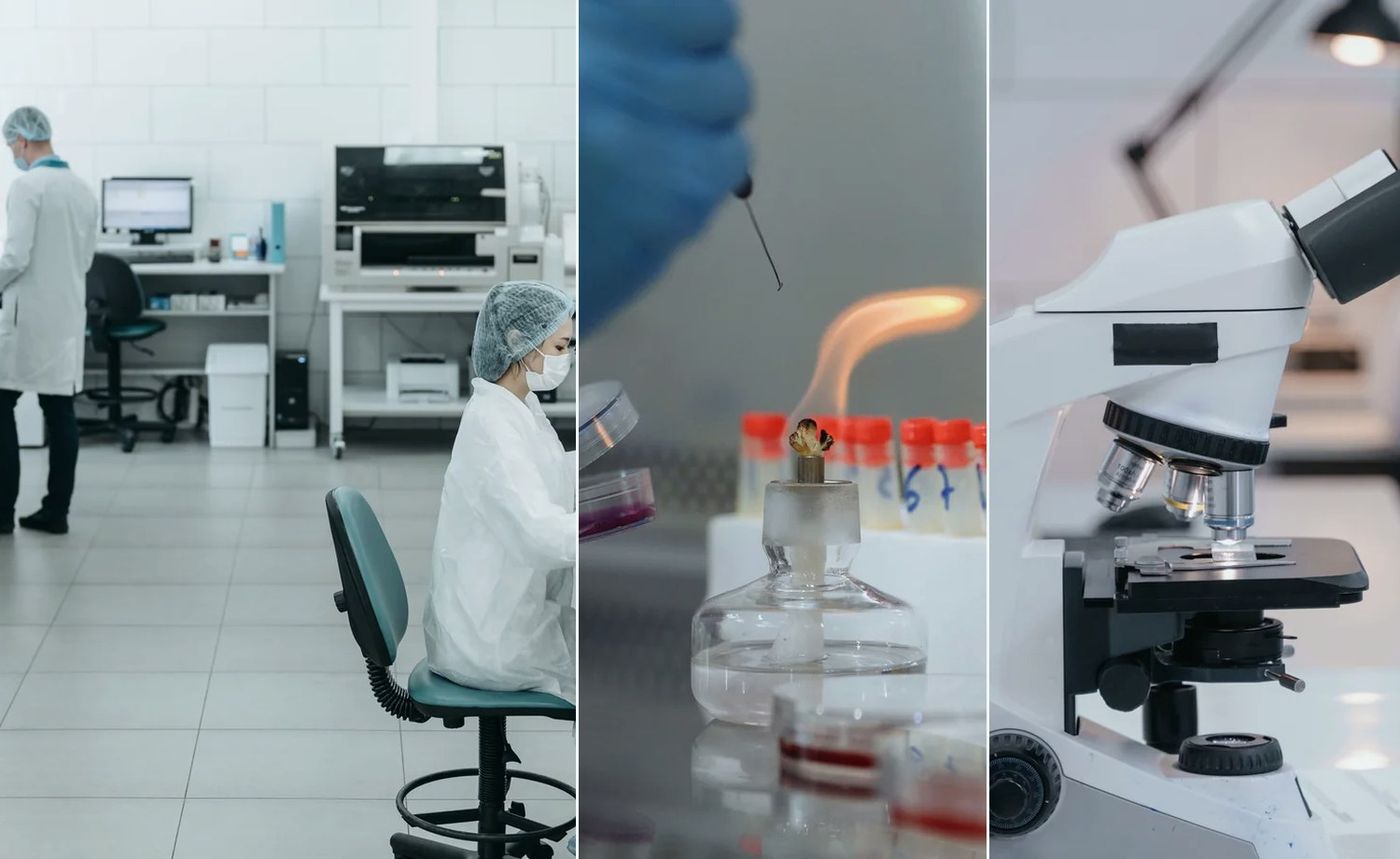
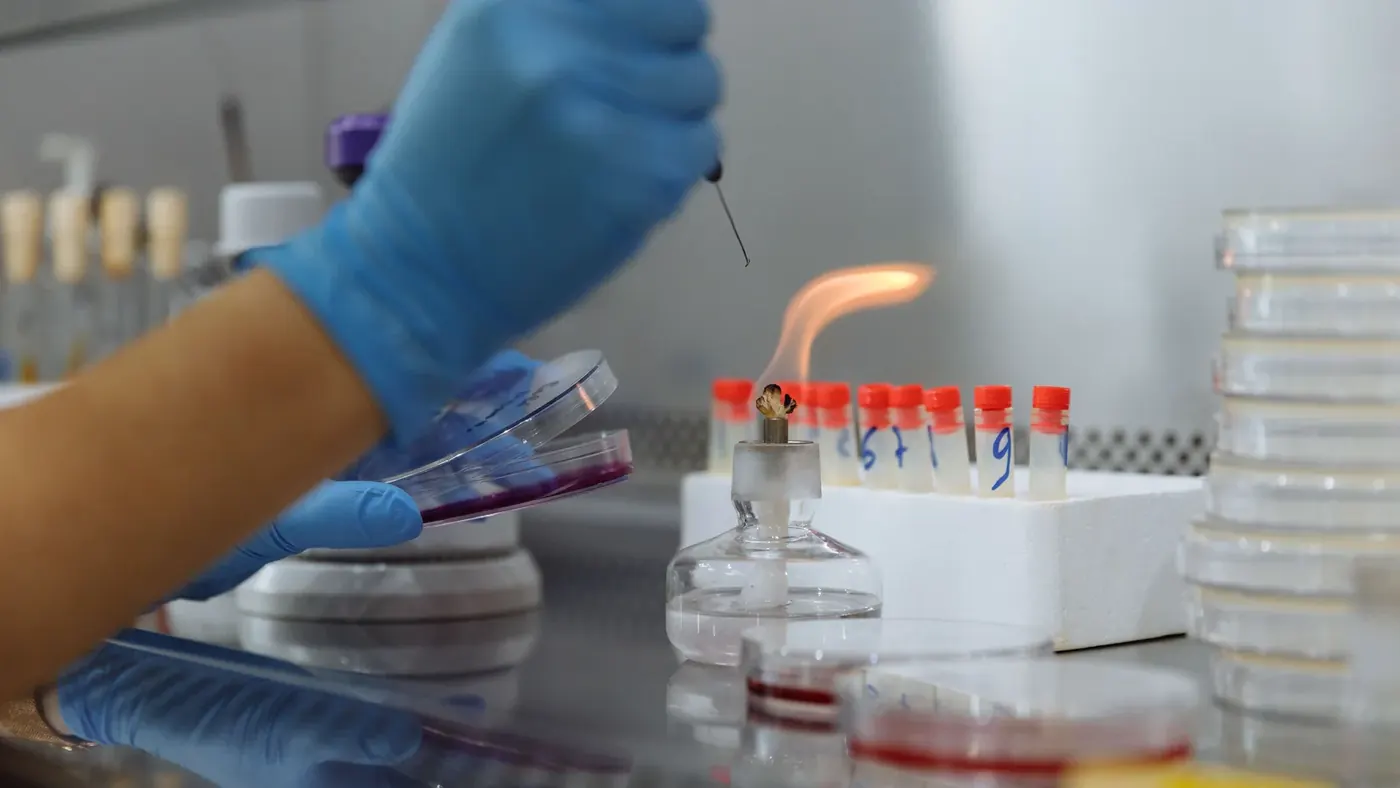
The confirmed pathway should connect academic theory with practical awareness, scientific communication and a clear next learning step.
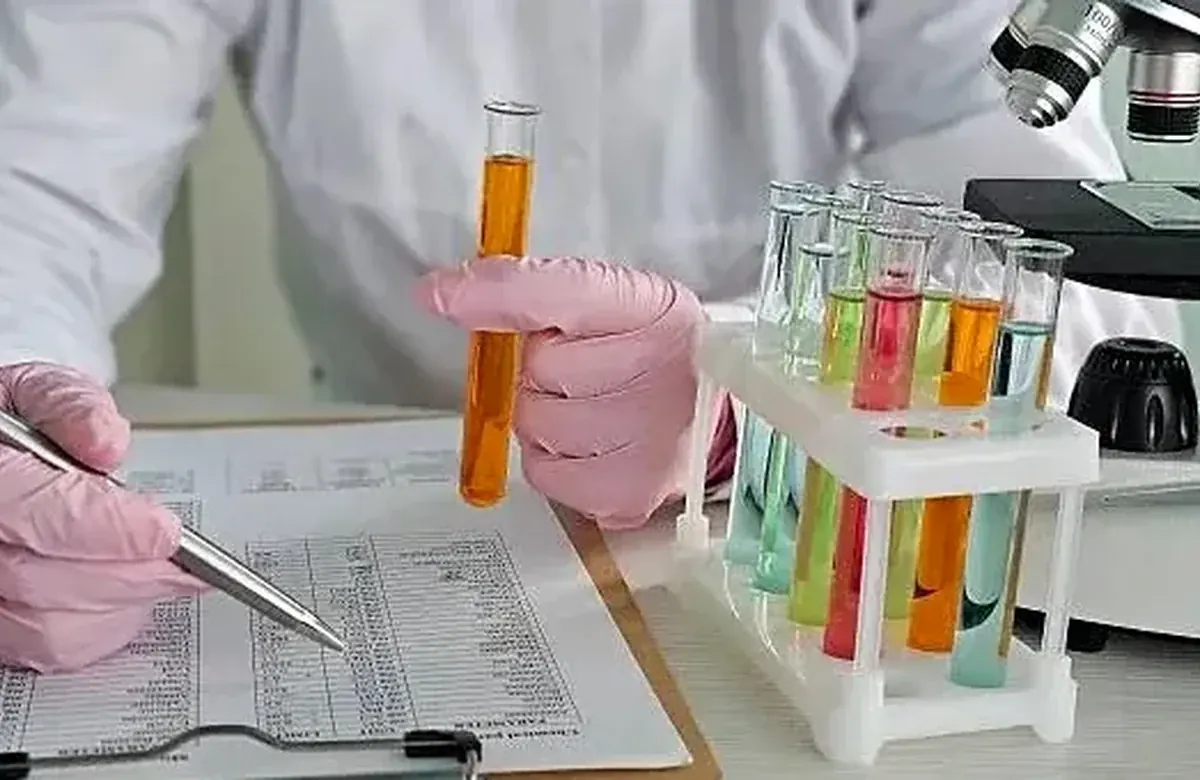
Clear planning helps the department understand the program scope, communication flow and agreed learning outcome before the batch begins.
Confirmed program type, selected domain and expected outcome.
Student count, dates, session plan and delivery format.
Clarified activities, safety conditions and facility limitations.
A defined communication route for department coordination.
Agreed participation, completion or academic guidance details.
A post-program discussion on learning outcomes and next steps.
For UG and PG learners seeking domain-oriented practical exposure aligned with an academic internship requirement.
For final-year, dissertation and project learners who need domain selection, feasibility review and structured guidance.
For departments planning workshops, practical modules, laboratory visits or coordinated student batches.
Institution programs are confirmed through department-level review of course outcomes, learner group, practical feasibility, schedule and coordinator expectations.
Provide college, department, course, academic level, student count and coordinator contact.
Clarify whether the requirement is training, internship, project orientation, workshop or laboratory visit.
Connect the proposed topic and practical depth to the department syllabus or intended student outcome.
Check methods, safety, facilities, batch size, supervision and available dates.
Agree on session plan, participant information, documentation and applicable terms.
Complete the confirmed program and review whether the intended institutional learning outcome was addressed.
Review eligible departments, program formats, duration, practical scope and institution coordination before scheduling a college batch.
Arts & Science, Engineering, Allied Health Science, Pharmacy and related life-science departments can enquire. The final pathway is confirmed after reviewing the course background, learner level, batch size and expected outcome.
Possible formats include practical training, internships, project orientation, workshops, laboratory visits, technique-focused modules and department-coordinated student batches.
Relevant BSc, MSc, BTech, MTech, Biomedical, Medical Laboratory Technology, Pharmacy, Food Technology and related bioscience learners may be considered according to the requested program scope.
Duration is indicative and depends on the format. Workshops may be one-day or multi-session, practical training may be short-term or scheduled, internships follow academic requirements and college batches use a mutually confirmed timetable.
Yes. Requirements can be discussed for undergraduate, postgraduate, final-year, dissertation and research-oriented learners, with the learning scope adjusted to the academic level.
Laboratory-oriented pathways can be discussed for Medical Laboratory Technology, Biomedical Science and other allied-health backgrounds when the requested topic aligns with the available biotechnology or analytical scope.
Biotechnology Engineering, Biomedical Engineering, Food Technology, Agricultural Biotechnology and related engineering learners can enquire for suitable interdisciplinary, analytical or laboratory pathways.
Depending on the confirmed module, students may develop laboratory discipline, technique awareness, scientific observation, domain understanding, data interpretation, documentation and presentation readiness.
The institution can confirm the program outline, student count, duration, schedule, domain, practical scope, coordinator communication and agreed learning outcome before the program begins.
Share the institution name, department, student count, academic level, preferred program, domain, duration and proposed dates through the WhatsApp institution enquiry action.
Share your department, student group, preferred program and schedule for a focused institutional discussion.
WhatsApp Institution Enquiry