Industrial Biotechnology
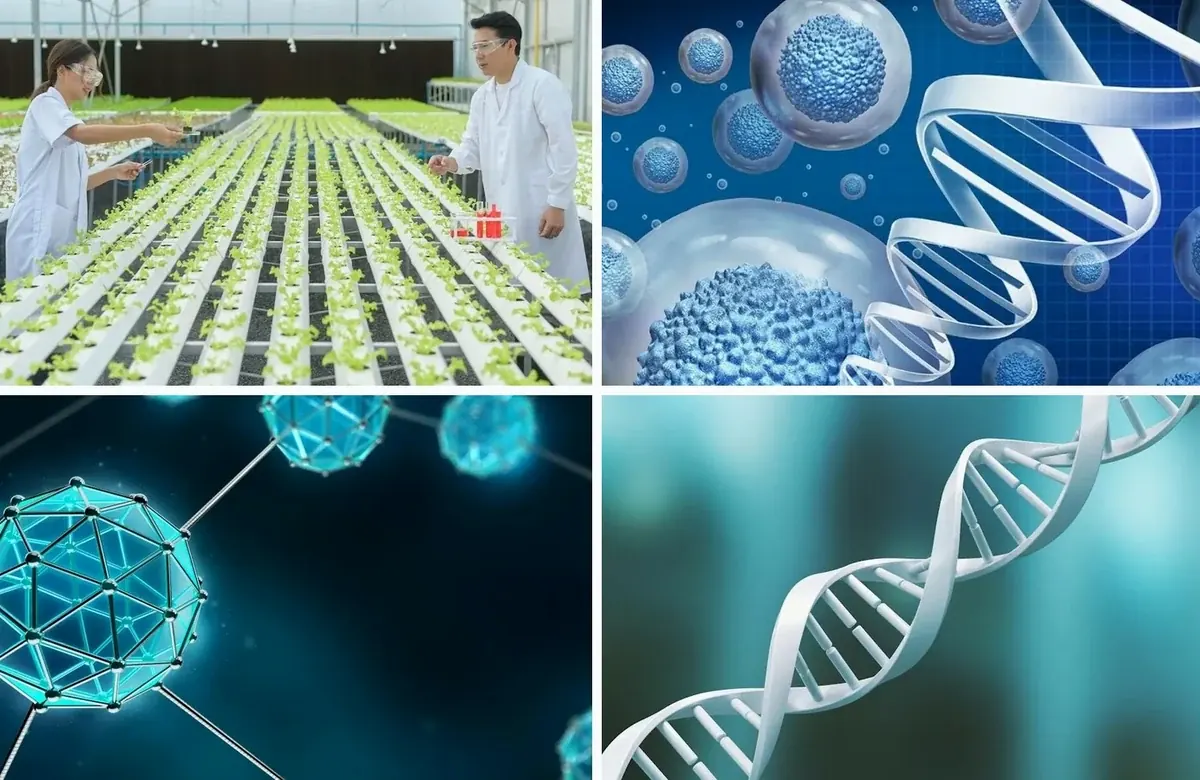
Bioprocess, industrial applications and process-oriented biotechnology concepts.
Coordinate internships, final-year projects, technical workshops and laboratory-oriented learning for Biotechnology Engineering, Biomedical, Food Technology, Agricultural and interdisciplinary departments.
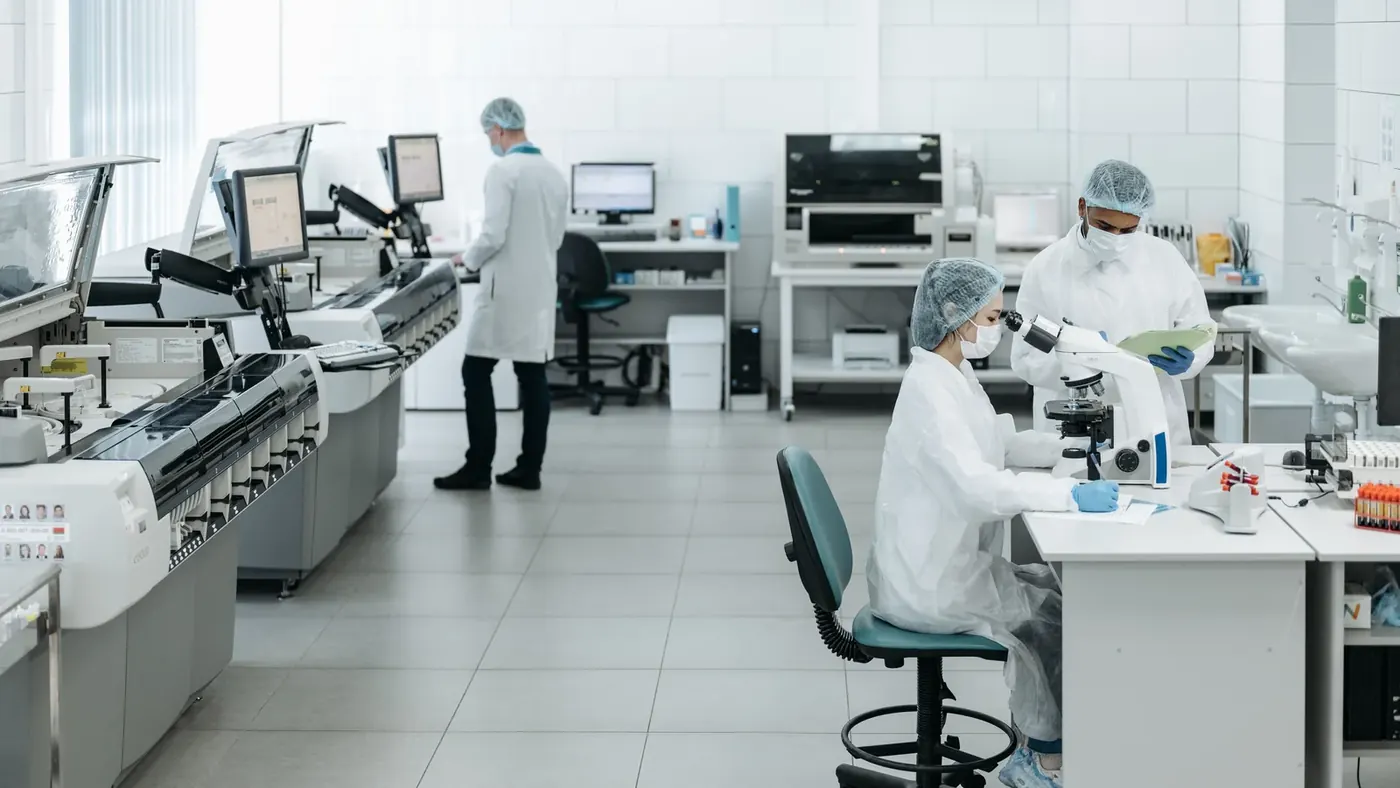
Program scope can be matched to the technical discipline, semester, project objective, available methods and intended academic output.
Bioprocess, industrial applications and process-oriented biotechnology concepts.
Molecular biology, diagnostic concepts and biomedical research pathways.
Computational biology, sequence analysis and data-oriented project direction.
Laboratory equipment awareness, analytical methods and result interpretation.
Problem definition, feasibility, methodology planning and technical documentation.
Structured exposure linking engineering concepts with biotechnology laboratory workflows.
Interdisciplinary programs are confirmed after reviewing the branch, academic level, project objective and practical feasibility.
For pre-final and final-year learners seeking interdisciplinary laboratory and analytical exposure.
For learners requiring problem definition, domain mapping, feasibility review and structured project guidance.
For departments planning biotechnology, biomedical, bioinformatics or analytical technique modules.
The program depth and technical output are aligned to the engineering branch, semester and confirmed project or training objective.
Foundational laboratory exposure and domain awareness before project selection.
Problem definition, feasibility, methodology and technical presentation readiness.
Advanced analytical, computational and research-oriented biotechnology pathways.
Biomedical, nanotechnology, food and computational biology connections.
The final methods and tools depend on the selected branch, facility scope, safety requirements and academic objective.
Process flow, variables, scale-up awareness and industrial context.
Assay planning, sample preparation and instrumentation awareness.
Molecular workflows, diagnostics and biomedical research concepts.
Sequence databases, computational analysis and research data interpretation.
Nanobiotechnology, material interfaces and application-oriented concepts.
Objectives, methodology, data organisation, reports and presentations.
The expected student outcomes are aligned to the specific department and academic level rather than copied from a general biotechnology batch.
Clear technical and academic inputs help define a feasible program for the branch and student group.
Engineering discipline, year, semester and academic level.
Expected batch size and whether the program is branch-specific.
Internship, final-year project, workshop or practical training.
University milestones, preferred dates and available session window.
Bioprocess, biomedical, bioinformatics, nano, food or analytical topic.
Practical exposure, project methodology, report, prototype concept or presentation.
The institutional workflow is tailored to the department, learner group, relevant techniques, safety, schedule and expected academic outcome.
Provide institution, branch, semester, student count, technical topic and coordinator contact.
Clarify the problem, application, university deliverable and expected technical outcome.
Select suitable biological, computational, analytical or materials-science approaches.
Check samples, equipment, safety, data, batch size, schedule and facility limits.
Agree on dates, module sequence, reports, presentations or project-planning deliverables.
Complete the program and review whether the biological evidence supports the intended engineering objective.
Review eligible branches, technical pathways, project scope and department coordination before scheduling a student batch.
Biotechnology Engineering, Biomedical Engineering, Food Technology, Agricultural Biotechnology, Nanotechnology, Bioprocess and related interdisciplinary branches can enquire.
Yes. Program scope is adjusted according to the branch, semester, academic level and intended technical outcome.
Yes. Requirements can be reviewed for problem definition, domain fit, feasibility, methodology planning and documentation support.
Internship enquiries can be considered according to academic requirement, dates, capacity, branch relevance and practical feasibility.
Biomedical learners can enquire for suitable molecular, diagnostic, analytical, biomaterials or instrumentation-oriented pathways.
Computational biology, sequence analysis and data interpretation modules can be discussed based on learner background and program scope.
Yes. One-day or multi-session workshops can be discussed for biotechnology, biomedical, analytical, bioinformatics and related topics.
The program focuses on academic and research guidance. Any prototype-related scope must be reviewed separately for feasibility and available facilities.
Share institution, branch, semester, student count, preferred program, technical topic, duration and proposed dates.
Confirmation follows a review of branch relevance, academic objective, methods, safety, facility feasibility, capacity and schedule.
Share your branch, student group, technical requirement and proposed schedule for a focused institutional discussion.
WhatsApp Institution Enquiry