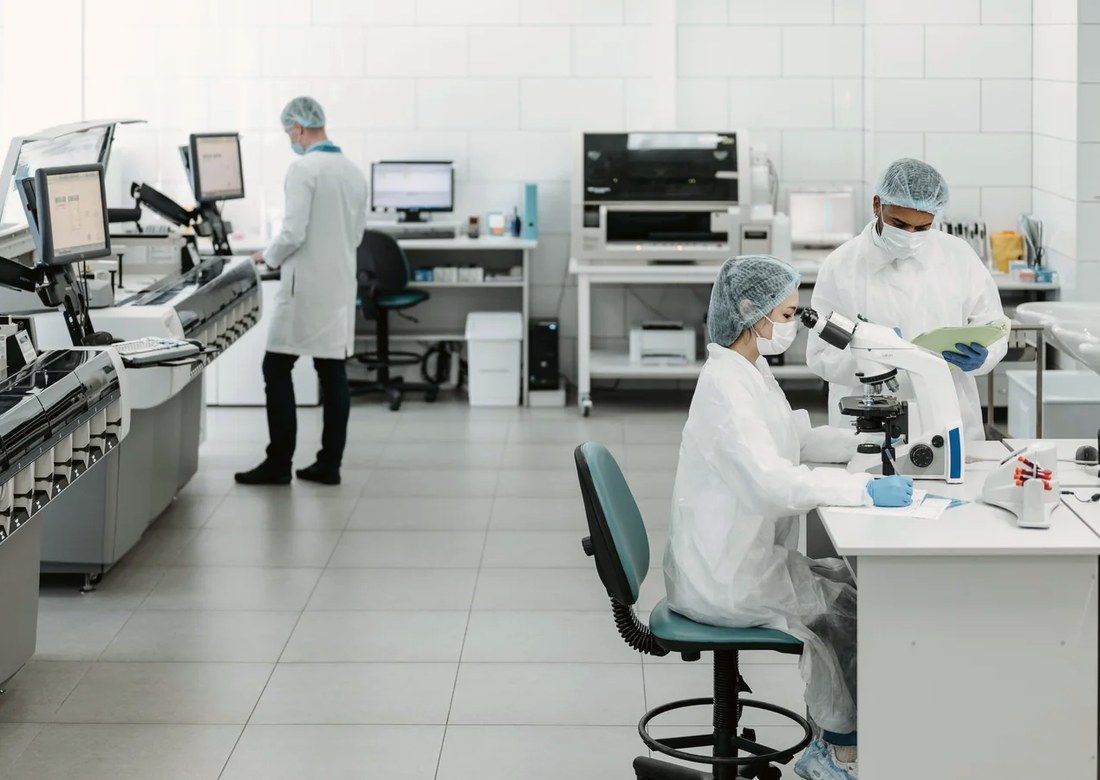
Foundation Course
Short-term introduction to essential subject concepts and learning discipline.
Explore microbiology courses, practical laboratory training, internships, final-year projects, workshops and summer training for students from life science, food, health and biotechnology streams.
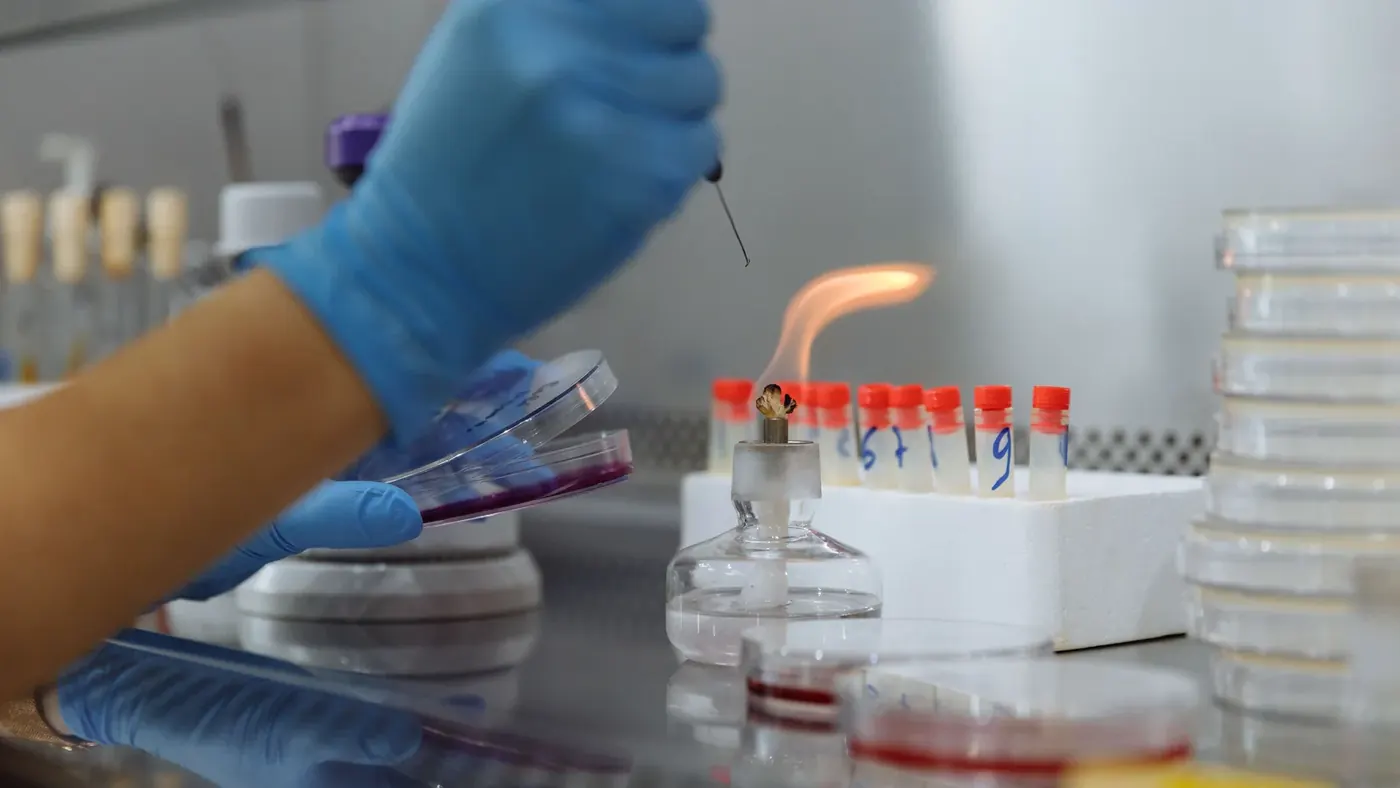
Select a course, practical training, internship, project, workshop or summer pathway based on academic level, preferred dates and expected outcome.
Short-term introduction to essential subject concepts and learning discipline.
Technique-focused learning around selected laboratory or computational workflows.
Academic-duration exposure connecting theory, observation and applied learning.
Final-year or dissertation-linked support for topic, method and documentation planning.
Focused learning for student groups, college departments and topic-specific batches.
Vacation-period pathway planned around learner level, dates and available scope.
Learners from relevant science, health, engineering or interdisciplinary backgrounds can discuss a suitable microbiology pathway based on academic fit.
BSc and MSc learners seeking practical, internship or project-linked microbiology exposure.
Learners strengthening microbial methods within biotechnology coursework and projects.
Students connecting biochemical assays with microbial growth and metabolism.
Students interested in food safety, quality and microbial analysis concepts.
Laboratory-oriented learners requiring microbiology workflow and observation awareness.
Botany, Zoology, Environmental Science and related learners can request guidance.

The final module list depends on learner level, practical or computational feasibility, available resources, safety and confirmed duration.
Laboratory discipline, contamination control and responsible sample handling.
Culture-media concepts, preparation logic and quality awareness.
Microscopic observation, staining principles and result recording.
Microbial isolation, culture concepts and colony observation.
Dilution, counting approaches and quantitative interpretation.
Quality assessment concepts for food, water and environmental samples.
Susceptibility-testing concepts, controls and interpretation awareness.
Observation sheets, result tables and scientific reporting discipline.
Move from microbiology course learning to college batches, projects, internships, workshops or summer training through the relevant pathway.
Select a subject course or practical learning format.
Coordinate department batches, workshops and practical modules.
Discuss mini-project, final-year and dissertation pathways.
Explore academic internship and practical exposure options.
Plan focused workshops for students and college departments.
Enquire about vacation-period and short-term learning schedules.
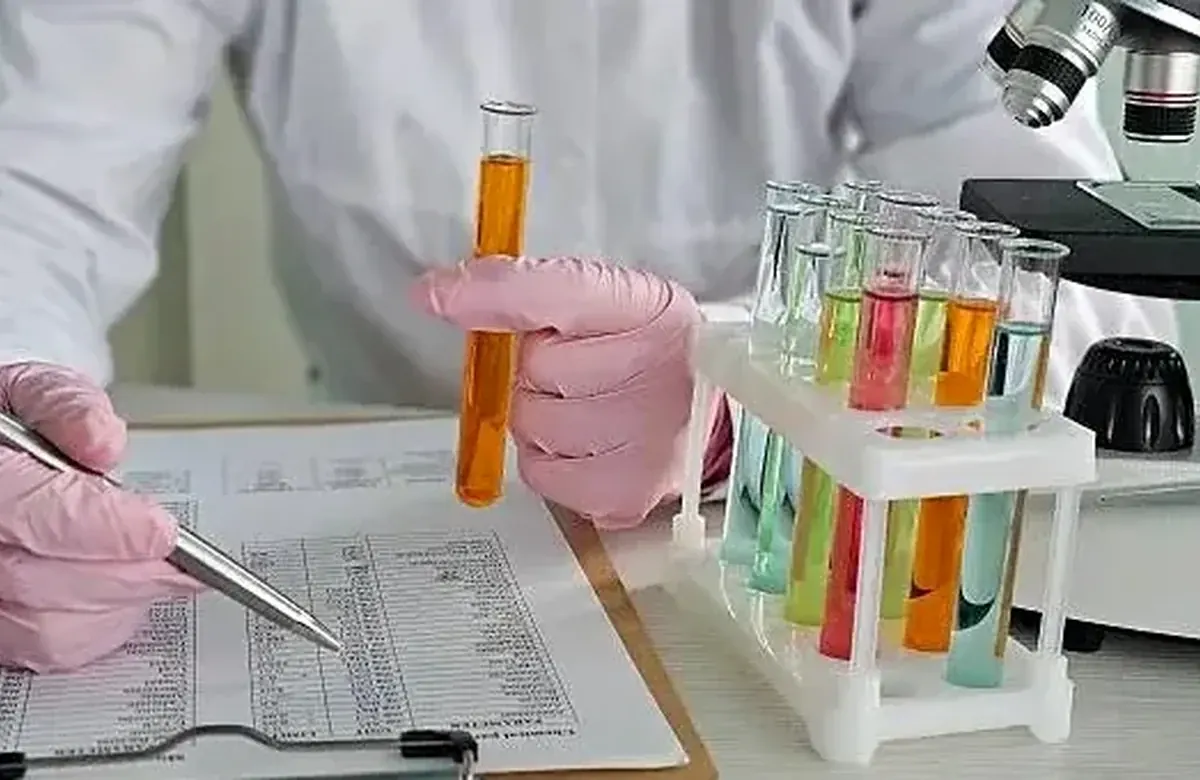
The practical scope is matched with learner level, selected microbiology module, sample feasibility, safety and available duration.
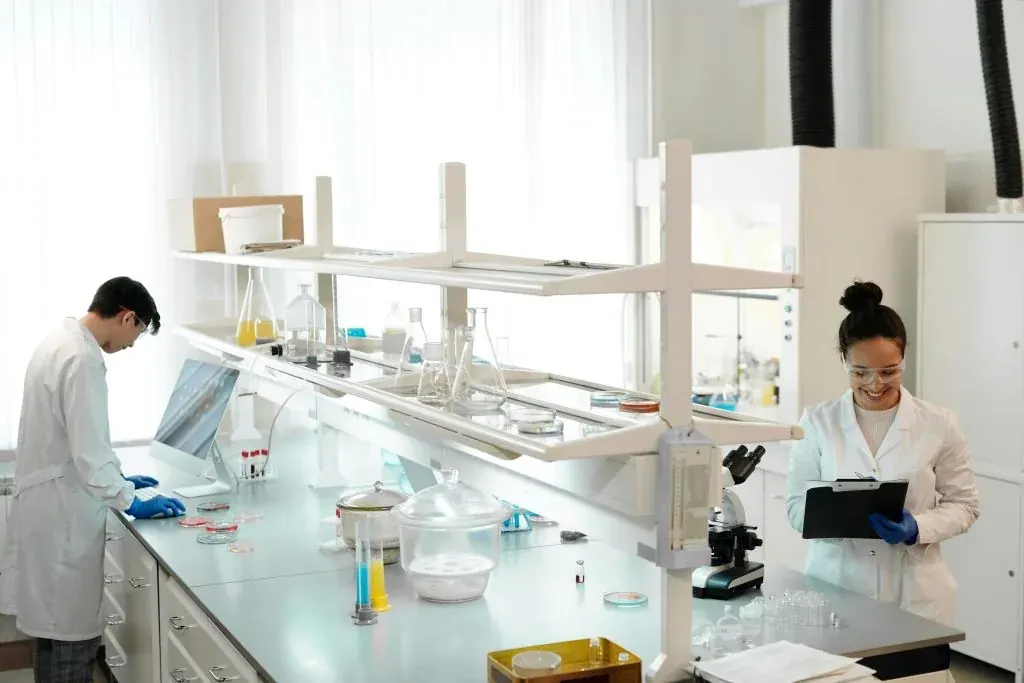
Microbiology learning is adjusted to the learner’s course, previous aseptic or microscopy exposure, selected sample area and required academic output.
Build aseptic discipline, media and culture concepts, microscopy, staining and accurate observation records.
Strengthen isolation, enumeration, assay planning, control selection and interpretation of microbial results.
Connect a defined microbial question with sample feasibility, method planning, data collection and dissertation documentation.
Review focused culture, screening, environmental, food or molecular-microbiology workflows and their limitations.
Develop laboratory discipline, culture-workflow awareness and scientific recording before or during academic exposure.
Coordinate aseptic technique, staining, microscopy, food/water microbiology or antimicrobial-awareness modules.
The expected output is defined before registration so each subject pathway develops relevant skills instead of repeating a generic course format.
Understand contamination control, clean workflow and responsible handling.
Relate media, incubation and sample conditions to the microbial objective.
Prepare observations and interpret cellular or staining differences carefully.
Record counts, zones, growth or related outputs with suitable controls.
Compare replicates, variation and biological meaning without overstating conclusions.
Move into a microbiology project, internship, workshop or advanced module with clearer foundations.
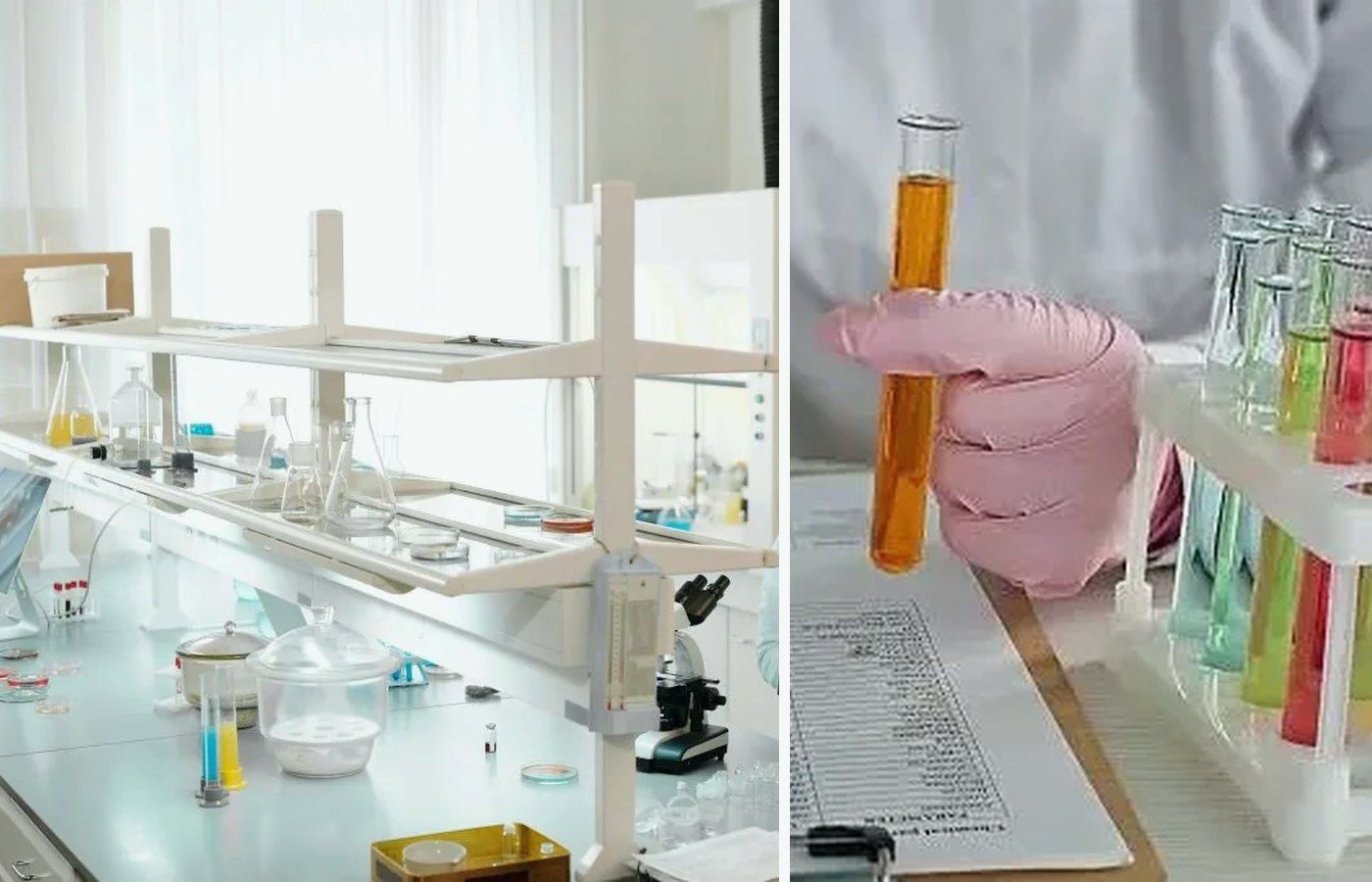
The pathway is confirmed through a subject-specific review of learner background, objective, inputs, methods, outputs and schedule.
Provide course, academic level, previous practical exposure, sample interest and preferred dates.
Select aseptic practice, microscopy, culture, food/water, screening or another suitable topic.
Check organism or sample suitability, culture conditions, biosafety, materials and facility feasibility.
Confirm the records, counts, images, assay outputs or documentation expected from the pathway.
Finalise module scope, practical depth, dates and the next registration step.
Review eligibility, practical scope, internship, project, workshop and registration details before selecting a microbiology pathway.
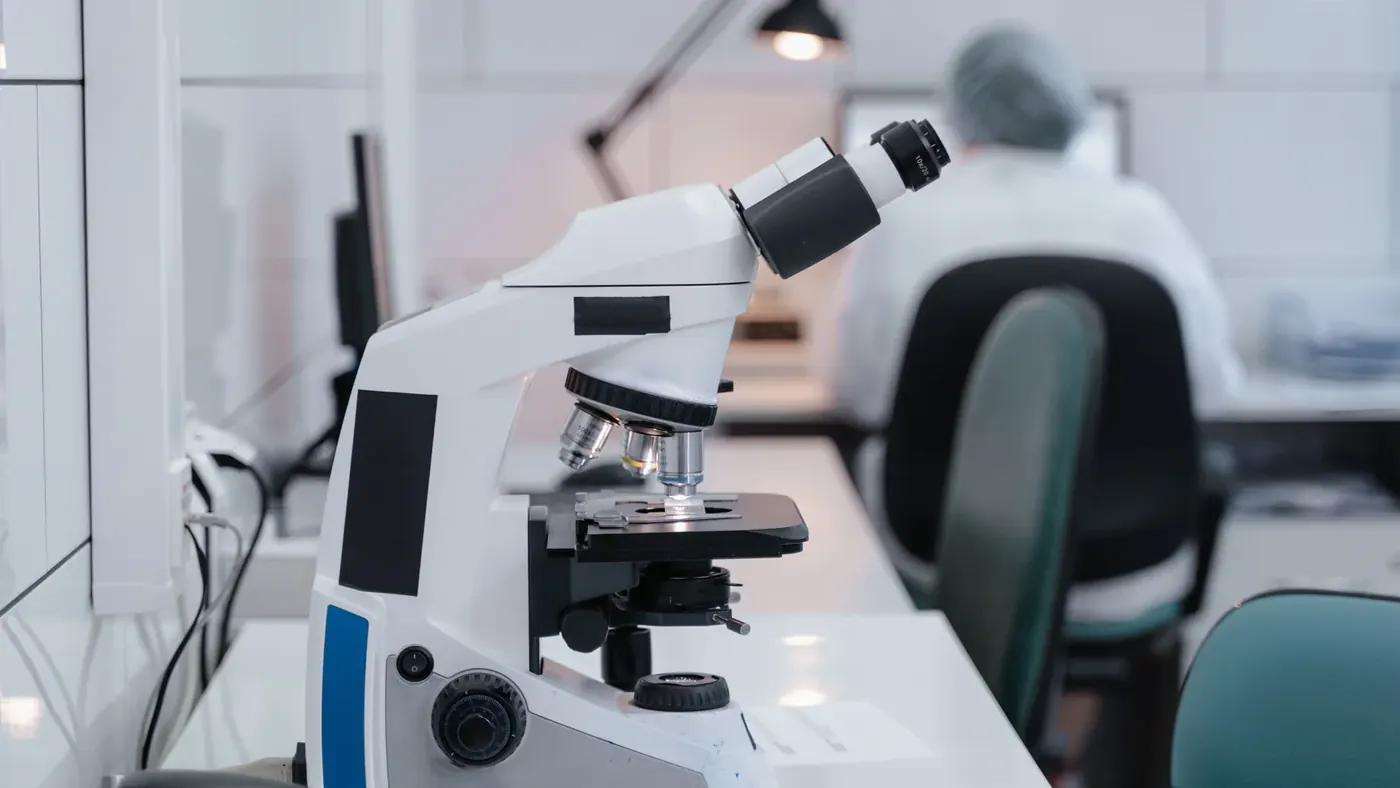
The confirmed pathway may include aseptic practice, media concepts, microscopy, staining, culture observation, microbial enumeration, data recording and documentation according to the selected module.
UG, PG, final-year and research-oriented learners from Microbiology, Biotechnology, Biochemistry, Food Technology, MLT, Environmental Science and related Life Science backgrounds can enquire.
Yes. Practical scope is confirmed based on learner level, selected methods, safety, sample feasibility, equipment availability and duration.
An internship-linked pathway can be discussed according to the academic requirement, preferred dates, selected topic and available practical scope.
Final-year, mini-project and dissertation learners can discuss topic selection, methodology planning, feasibility and documentation support.
Possible topics include aseptic techniques, media preparation, staining, microscopy, isolation, culture observation, enumeration, food and water microbiology and antimicrobial-testing concepts.
Colleges and student groups can enquire about topic-focused workshops, practical modules and laboratory-oriented batch programs.
Summer or vacation-period microbiology training can be planned according to dates, learner level, module scope and batch availability.
Yes. Food Technology, MLT, Biomedical and allied laboratory learners can discuss a microbiology pathway relevant to their academic requirement.
Share the academic level, preferred topic, pathway type and dates. The suitable content, practical scope and schedule are confirmed before registration.
Share your level, topic and duration for microbiology training guidance.
Submit Microbiology Enquiry