
Marine Resource Foundations
Understand responsible sample sourcing, identification, handling and research relevance.
Explore project, internship and training pathways covering marine microbes, algae, natural extracts, bioactive compounds, pigments, enzymes and environmentally relevant biotechnology themes.
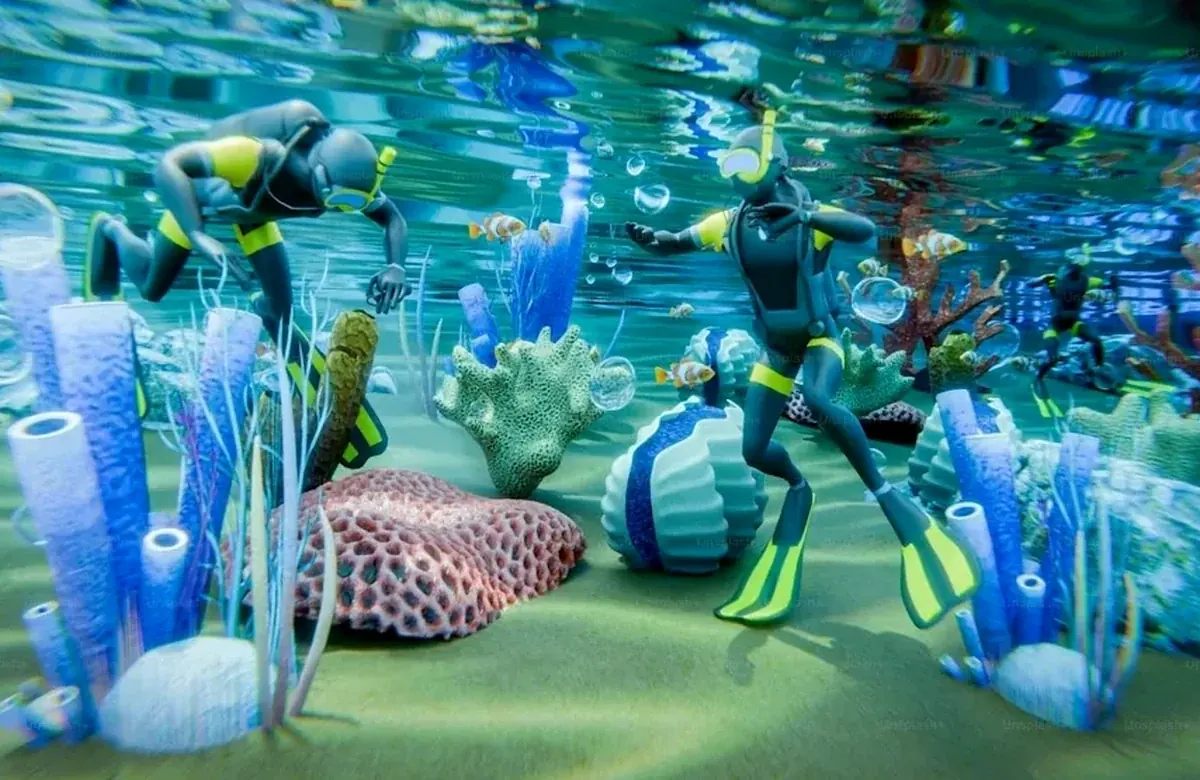
This domain connects marine biological resources, algae, microbes and natural materials with suitable extraction, screening and analytical workflows. The final scope depends on sample source, permissions, season, safety and facilities.
Understand responsible sample sourcing, identification, handling and research relevance.
Connect extraction, fractionation concepts and selected bioactivity-oriented screening.
Explore algae, marine microorganisms, pigments, enzymes and environmental themes.
Record sample origin, methods, observations, results and limitations responsibly.
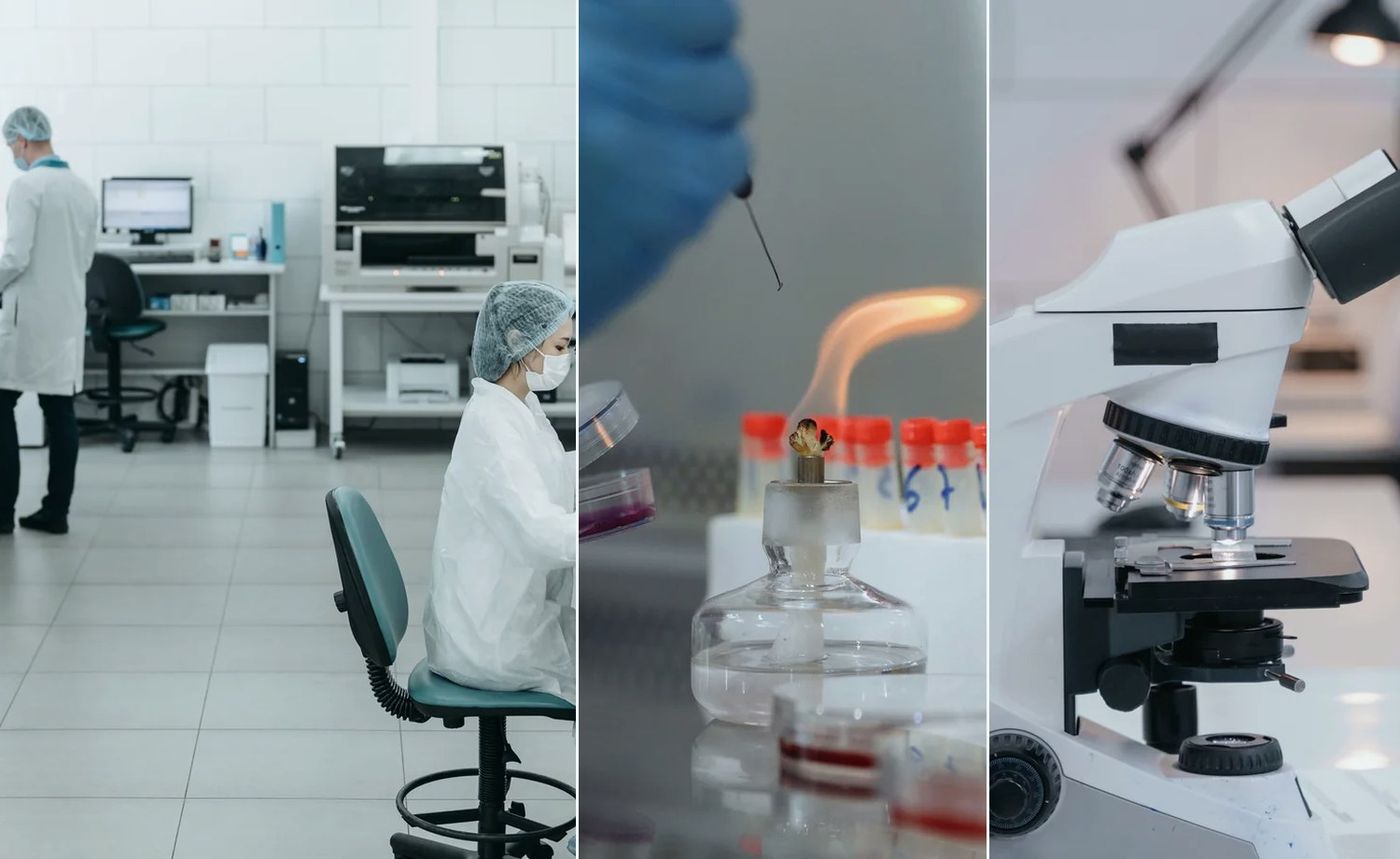
The pathway suits learners interested in marine biology, microbiology, natural products, algae, environmental biotechnology or biochemical screening.
UG, PG and final-year learners exploring marine or natural-product applications.
Learners studying marine organisms, ecosystems and applied biological resources.
Students interested in marine microbes, enzymes, pigments or antimicrobial themes.
Learners studying extracts, metabolites, bioactivity or biochemical characterisation.
Students exploring water quality, bioremediation or marine environmental applications.
Feasibility-based support for scholars, faculty-guided groups and institutional batches.
Topics are shortlisted after reviewing sample source, collection permissions, season, safety, preservation, analytical methods and expected academic outcome.
Explore selected marine or saline microorganisms using suitable academic methods.
Review algae, pigments, biomass or applied algal research themes.
Compare selected extraction conditions and natural-material processing.
Use suitable qualitative or quantitative approaches for approved natural samples.
Explore selected antioxidant, antimicrobial or enzyme-related screening.
Study academically relevant microbial or algal products where feasible.
Review probiotic, water-quality or biological support concepts.
Explore marine pollution, biodegradation or bioremediation-oriented themes.
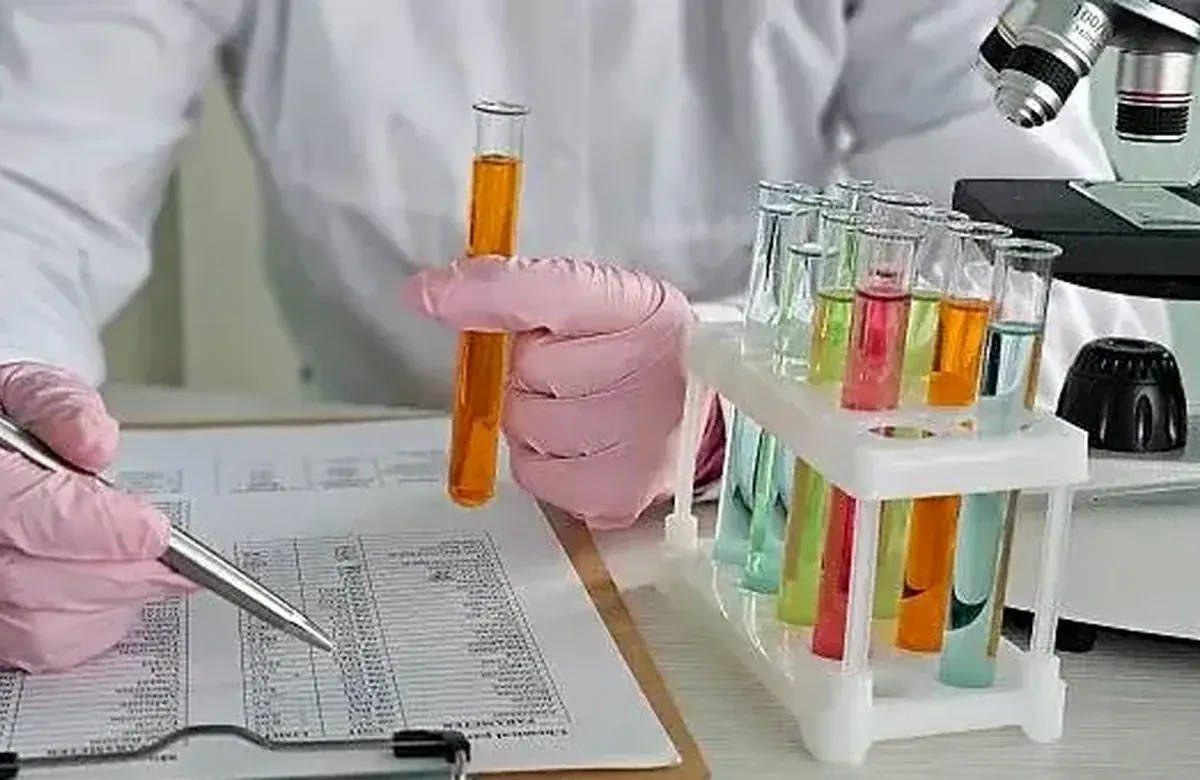
These are broad academic directions. Sample source, permissions, preservation, season, safety and analytical feasibility must be reviewed before confirmation.
The final workflow depends on sample source, preservation, organism or material type, safety, analytical target, facilities and duration.
Review permissions, labelling, transport, preservation and responsible documentation.
Prepare selected aqueous, solvent or biological extracts under suitable conditions.
Use approved culture, observation or biomass workflows where feasible.
Measure selected pigments, proteins, metabolites or antioxidant parameters.
Use suitable academic antimicrobial, enzyme or environmental assays.
Organise sample origin, methods, controls, results and practical limitations.
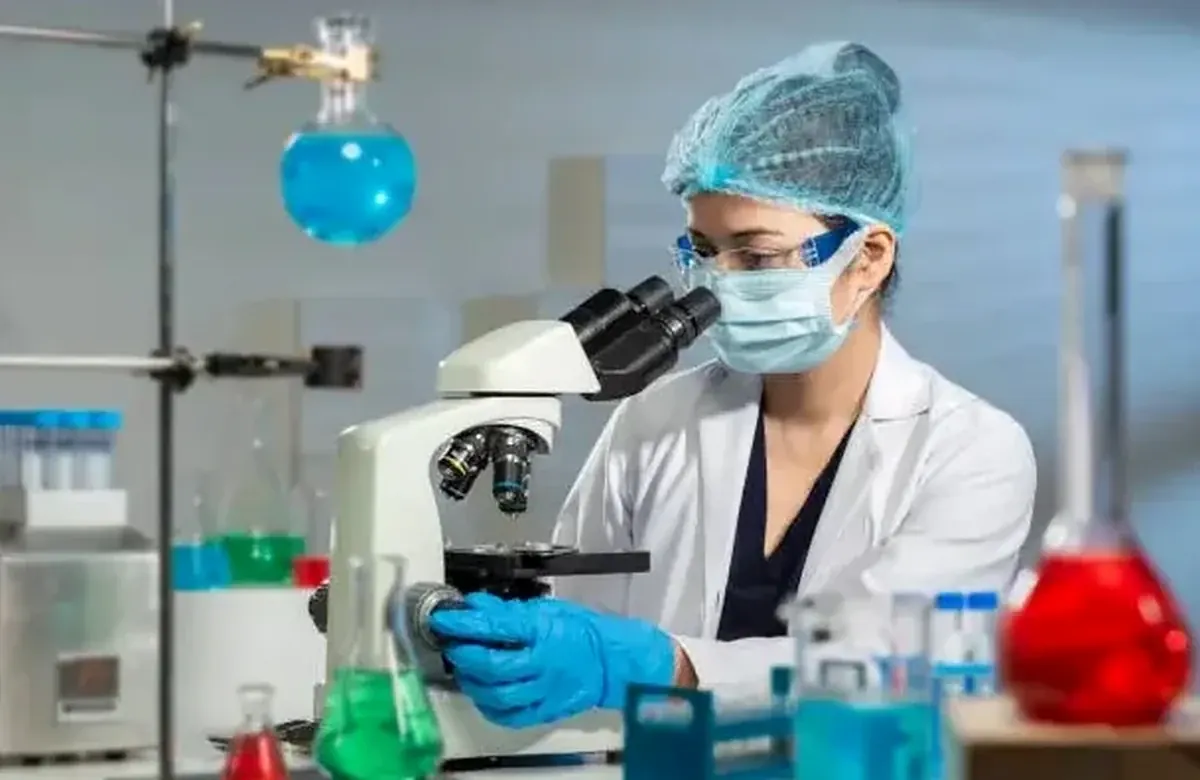
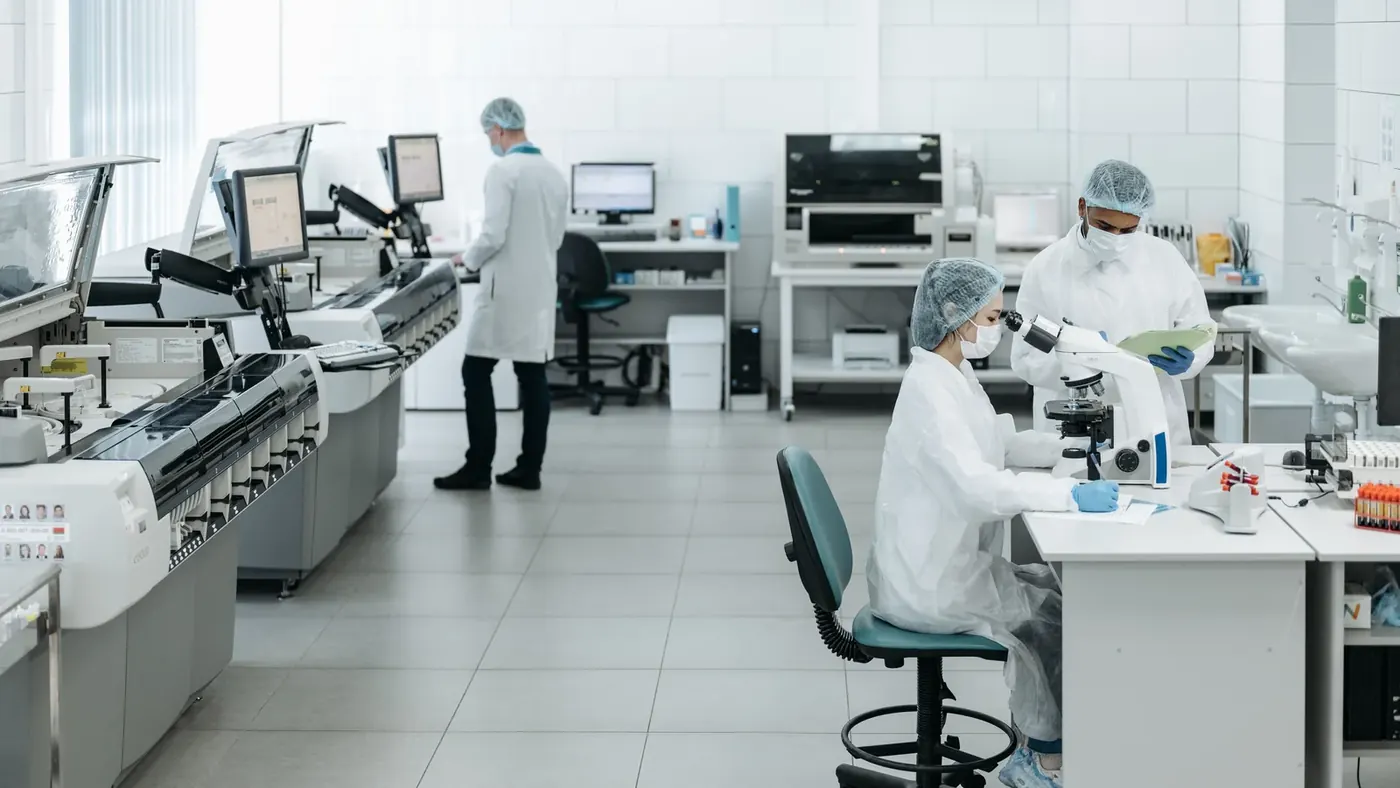
Marine and natural-product pathways depend on responsible source documentation, permissions, season, preservation, extraction, screening methods and realistic analytical access.
Plan source documentation, saline or marine sample handling, culture or observation methods and environmental context.
Review algae or biomass handling, pigments, growth or biochemical measurements and application limits.
Compare approved material, solvent or aqueous extraction conditions, yield, preservation and documentation.
Plan antioxidant, antimicrobial, enzyme or environmental assays with suitable controls and cautious interpretation.
Discuss collection permissions, sample stability, fractionation or screening workflow, methods and seasonal constraints.
Coordinate algae, marine microbiology, extraction, phytochemical or environmental-biotechnology modules.
The final pathway is confirmed through a domain-specific review of objective, inputs, methods, controls, access, expected evidence and academic output.
Document sample origin, collection permission, season, environmental context and academic suitability.
Review labelling, salinity or storage conditions, stability, contamination risk and processing time.
Choose culture, biomass, extraction, fractionation or screening steps suited to the material.
Check controls, analytical access, sample hazards, waste responsibility and available schedule.
Report source, methods, observations, results and limitations without overstating natural-product claims.
Check eligibility, sample access, practical scope and enquiry details before choosing this domain.
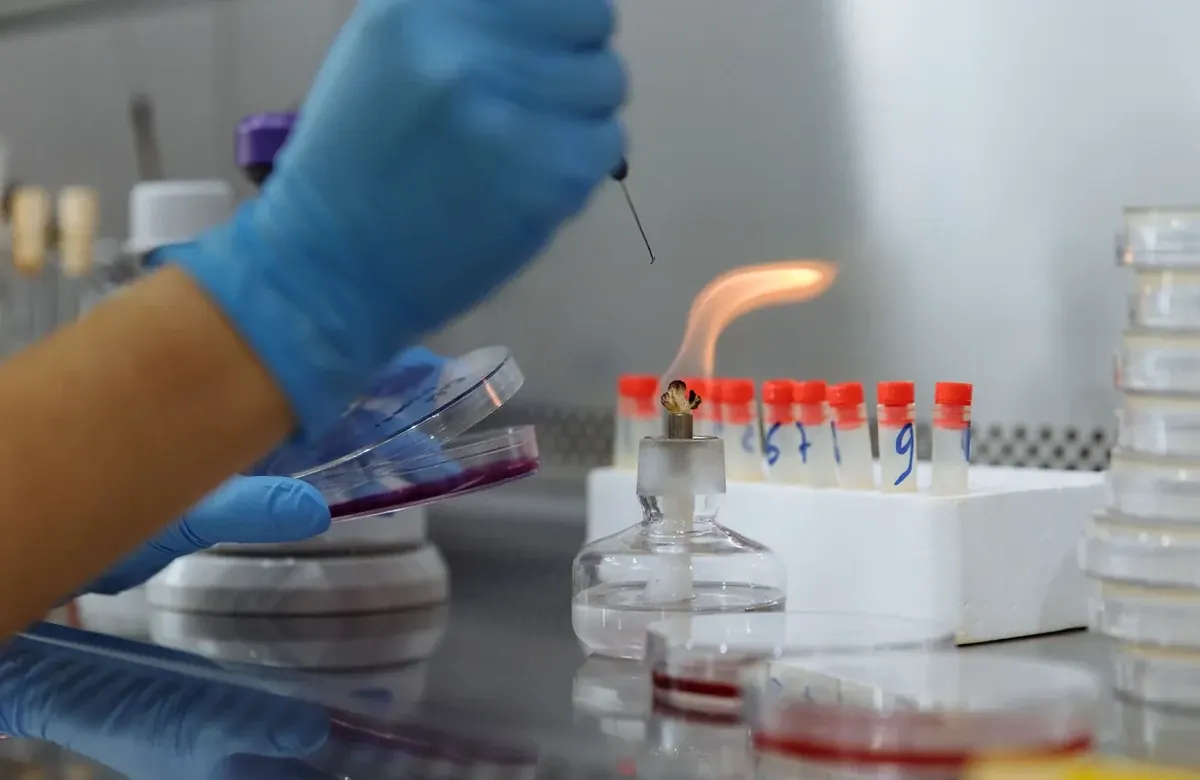
Learners from biotechnology, marine biology, microbiology, biochemistry, environmental science, aquaculture and related disciplines can enquire according to academic fit.
No. Sample access depends on source, permissions, season, preservation, safety and the confirmed project scope.
Only after prior review of collection permission, source documentation, transport, preservation, safety and academic suitability.
Selected algae, biomass, pigment or biochemical themes can be discussed according to sample availability and facility feasibility.
Selected antioxidant, antimicrobial or other academic screening may be reviewed when the extract, controls and methods are suitable.
Probiotic, water-quality or biological-support themes can be considered according to the learner’s course and practical scope.
Yes, after reviewing sample availability, duration, methods and the university’s expected output.
Selected biodegradation, water-quality or bioremediation-oriented themes can be discussed according to feasibility.
Share the course, academic level, marine or natural material interest, sample source, duration and expected output.
Use the training registration form and select Marine / Natural Product Biotechnology, or contact the team for an initial review.
Share your course, academic level, preferred marine or natural-product theme and duration for a focused discussion.
Marine Enquiry