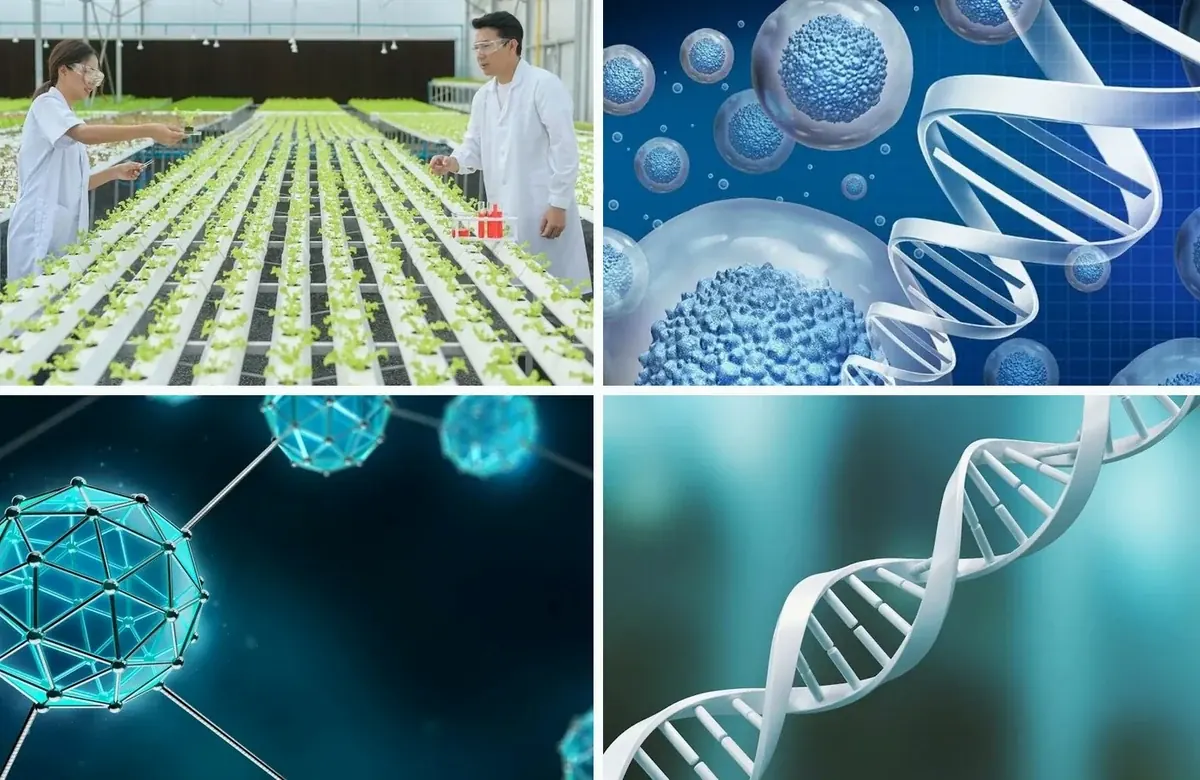
Foundation Course
Short-term introduction to essential subject concepts and learning discipline.
Explore bioinformatics courses, computational practical training, internships, final-year projects, workshops and summer training for biology, biotechnology, pharmacy and interdisciplinary learners.
Select a course, practical training, internship, project, workshop or summer pathway based on academic level, preferred dates and expected outcome.
Short-term introduction to essential subject concepts and learning discipline.
Technique-focused learning around selected laboratory or computational workflows.
Academic-duration exposure connecting theory, observation and applied learning.
Final-year or dissertation-linked support for topic, method and documentation planning.
Focused learning for student groups, college departments and topic-specific batches.
Vacation-period pathway planned around learner level, dates and available scope.
Learners from relevant science, health, engineering or interdisciplinary backgrounds can discuss a suitable bioinformatics pathway based on academic fit.
UG and PG learners seeking computational biology, project or internship support.
Learners connecting molecular biology and genetics with data analysis.
Students exploring sequence, protein and pathway analysis for research.
Interdisciplinary students with biological interest and basic computing readiness.
Learners interested in drug-target, protein and biomedical data concepts.
Project, dissertation and research learners requiring focused analytical guidance.
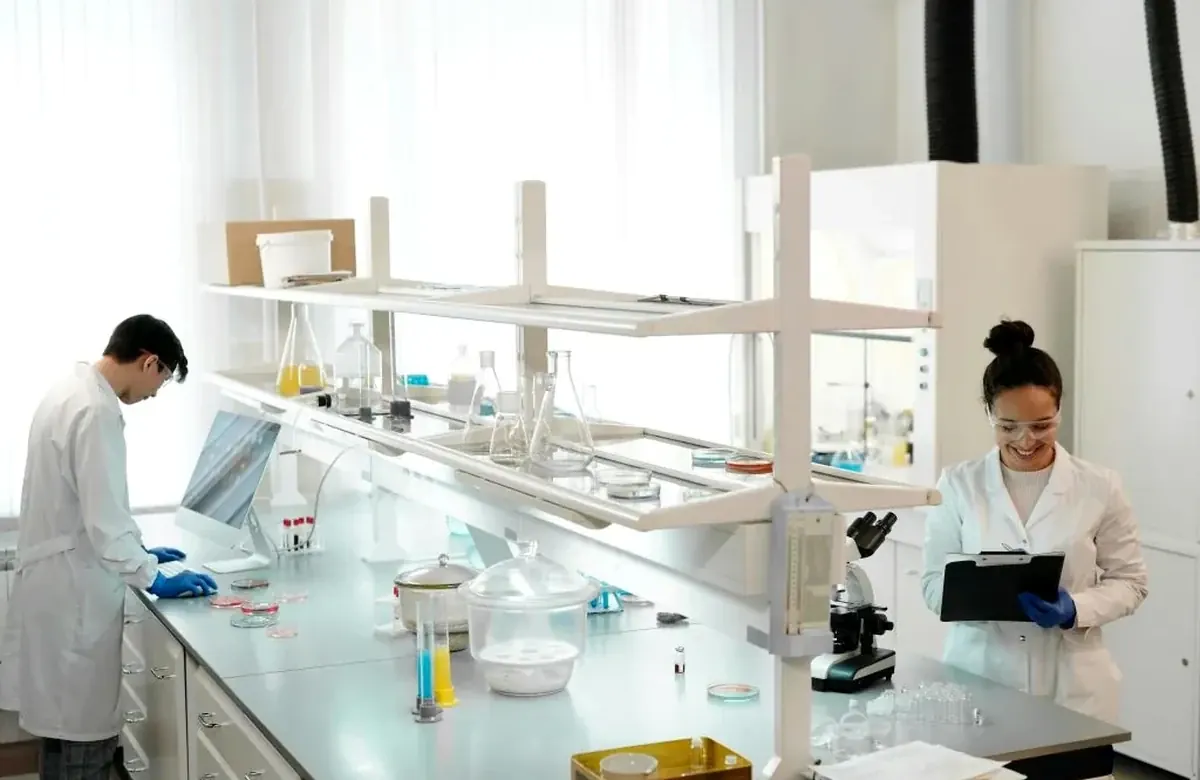
The final module list depends on learner level, practical or computational feasibility, available resources, safety and confirmed duration.
Sequence, protein, structure and pathway database orientation.
Pairwise and multiple-alignment concepts and interpretation.
Similarity-search workflow, output reading and biological meaning.
Sequence selection, design factors and validation awareness.
Evolutionary relationships, tree concepts and result interpretation.
Primary to three-dimensional structure and visualisation awareness.
Ligand-receptor concepts, workflow stages and result caution.
Tables, plots, annotations and reproducible reporting discipline.
Move from bioinformatics course learning to college batches, projects, internships, workshops or summer training through the relevant pathway.
Select a subject course or practical learning format.
Coordinate department batches, workshops and practical modules.
Discuss mini-project, final-year and dissertation pathways.
Explore academic internship and practical exposure options.
Plan focused workshops for students and college departments.
Enquire about vacation-period and short-term learning schedules.
The practical module is selected after reviewing learner background, topic, dataset, software or database availability and expected academic outcome.
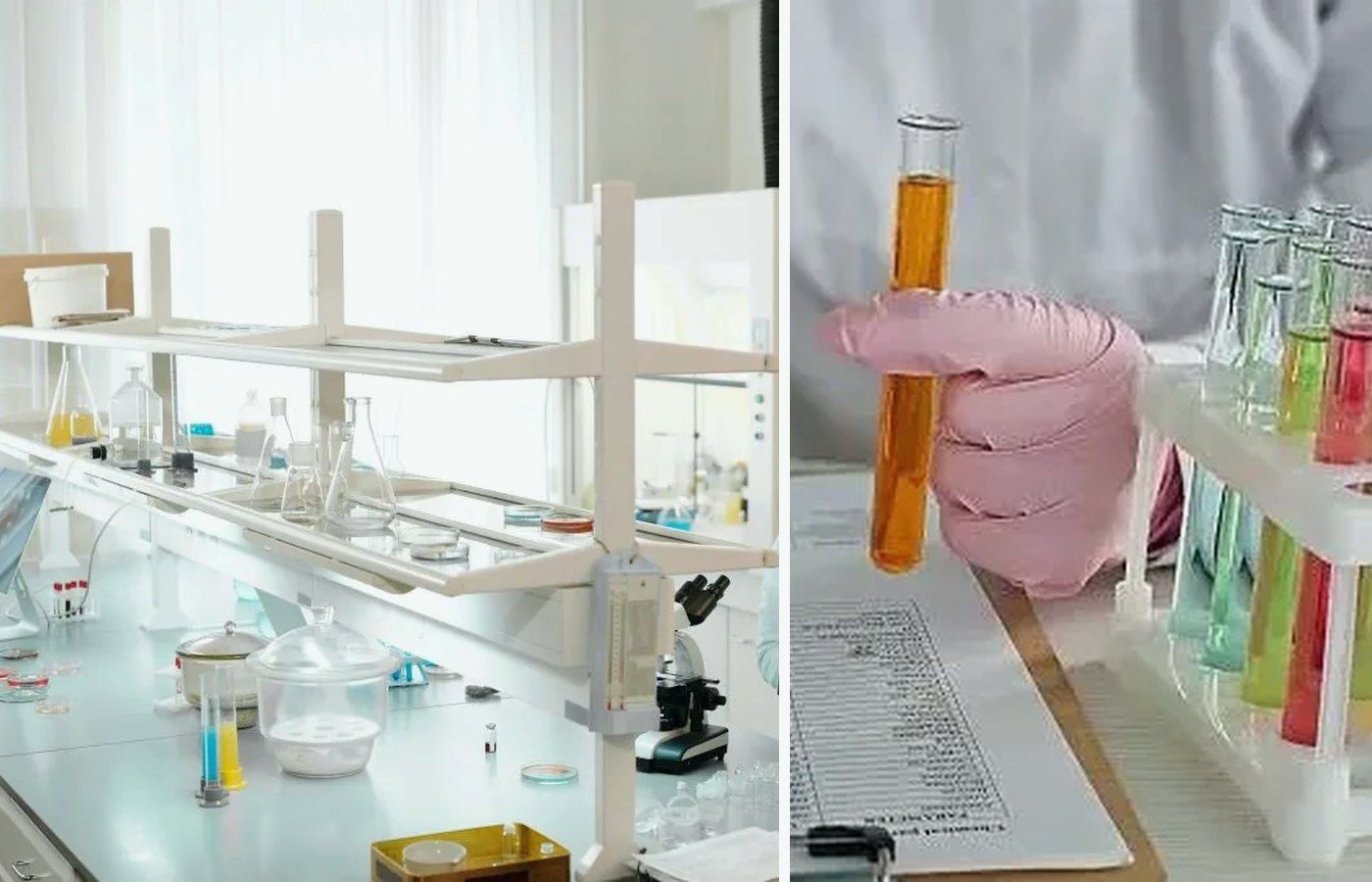
Bioinformatics learning is adjusted to biological background, computing readiness, dataset type, selected databases or tools and the expected analysis output.
Build biological-database literacy, sequence formats, basic similarity search and interpretation foundations.
Strengthen alignment, phylogeny, primer-design concepts, structure analysis and evidence-based interpretation.
Connect a biological question with a suitable dataset, reproducible workflow, results and dissertation documentation.
Review focused sequence, structure, pathway or comparative-analysis workflows with validation and limitations.
Develop database navigation, tool selection, result organisation and computational documentation skills.
Coordinate database, BLAST, alignment, phylogeny, structure or docking-orientation workshops.
The expected output is defined before registration so each subject pathway develops relevant skills instead of repeating a generic course format.
Locate suitable sequence, structure, pathway or annotation resources and understand record context.
Prepare inputs, run selected searches or alignments and organise outputs systematically.
Choose a tool or database based on the biological question rather than convenience alone.
Read scores, alignments, trees, structures or tables without treating software output as a final conclusion.
Record dataset source, parameters, versions, workflow steps and limitations.
Move toward bioinformatics internship, project or advanced analysis with a clearer computational foundation.

The pathway is confirmed through a subject-specific review of learner background, objective, inputs, methods, outputs and schedule.
Share course, topic, organism or molecule, academic purpose and preferred dates.
Identify sequence, structure or other data source, format, quality and permissions.
Choose an analysis route suited to learner level, question and available computing resources.
Define parameters, comparison, evidence, expected outputs and limitations.
Finalise tools, datasets, schedule, documentation format and the registration step.
Review eligibility, computational scope, project training, internship and registration details before selecting a bioinformatics pathway.

The selected pathway may include biological databases, sequence analysis, alignment, BLAST, primer-design concepts, phylogenetics, protein structure, data interpretation and documentation.
UG, PG, final-year and research learners from Bioinformatics, Biotechnology, Microbiology, Biochemistry, Pharmacy, Biomedical, Life Science and suitable interdisciplinary backgrounds can enquire.
The required computing background depends on the module. Introductory pathways can begin with database and tool orientation, while advanced analysis may need additional computational readiness.
Internship-linked training can be discussed according to academic requirements, preferred dates, selected analytical area and available module scope.
Final-year, dissertation and research learners can discuss topic selection, dataset planning, analytical workflow, interpretation and documentation support.
Possible topics include biological databases, sequence alignment, BLAST, primer-design concepts, phylogenetics, protein structure, molecular docking orientation and data interpretation.
Departments can enquire about database, sequence-analysis, molecular-docking orientation and other topic-focused workshops or student batches.
Summer or vacation training can be planned according to preferred dates, learner background, topic scope and batch availability.
Yes. Biotechnology, Pharmacy, Biomedical and other life science learners can select a computational pathway aligned with their academic objective.
Share the academic level, preferred topic, current computing exposure and dates. The suitable tools, datasets, outcomes and schedule are clarified before registration.
Share your level, topic and duration for bioinformatics training guidance.
Submit Bioinformatics Enquiry