Practical Training
Technique-focused laboratory learning for Biotechnology, Microbiology, Biochemistry and related students.
Coordinate practical training, internships, final-year projects, dissertation guidance and workshops for Biotechnology, Microbiology, Biochemistry, Bioinformatics and related life-science departments.
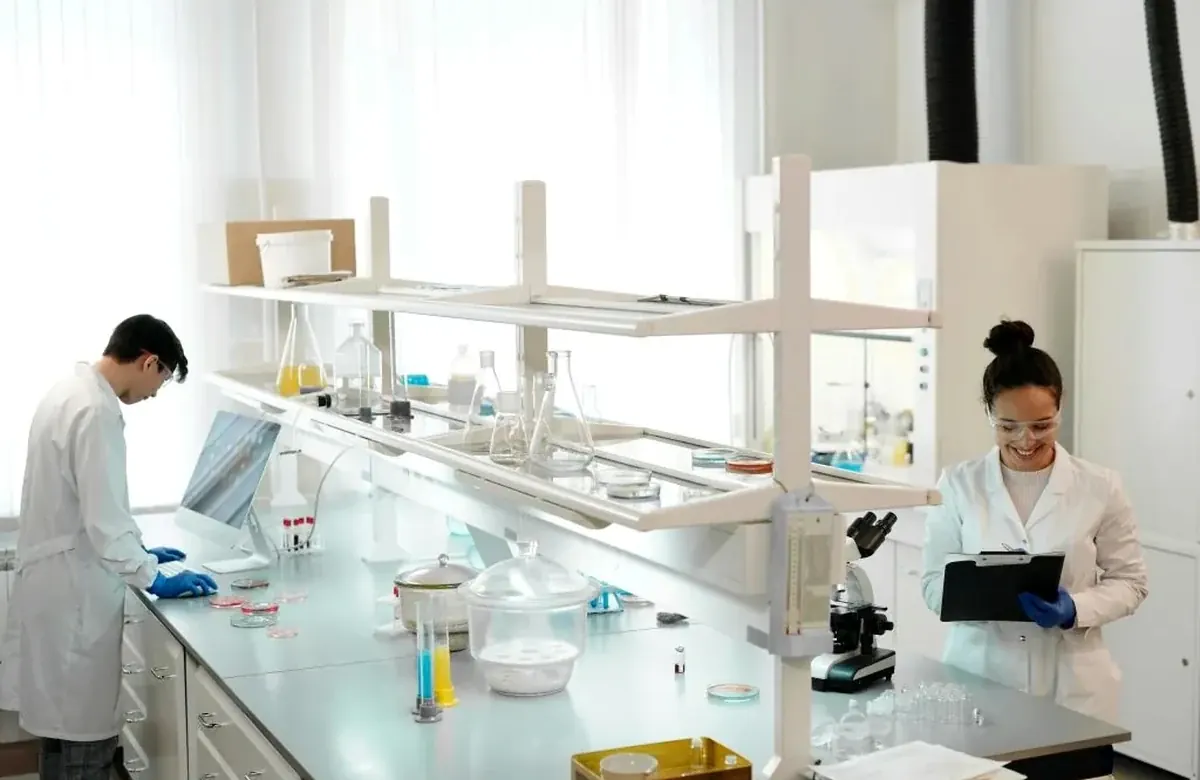
Select a pathway according to the course background, academic calendar, learner level and expected practical or project outcome.
Technique-focused laboratory learning for Biotechnology, Microbiology, Biochemistry and related students.
Structured academic exposure covering laboratory workflow, observation and documentation.
Topic selection, objective planning, feasibility review and methodology guidance.
Research direction, analytical planning, result interpretation and academic presentation support.
One-day or multi-session learning on selected biotechnology and bioscience topics.
Coordinated exposure to laboratory practices, equipment awareness and scientific workflow.
The final program is mapped after reviewing the degree, semester, student requirement, preferred domain and expected academic outcome.
For UG and PG learners seeking academic internship exposure in a suitable biotechnology or life-science domain.
For final-year and postgraduate learners requiring domain selection, feasibility review and structured project guidance.
For departments planning practical modules, technique workshops, laboratory visits or coordinated student batches.
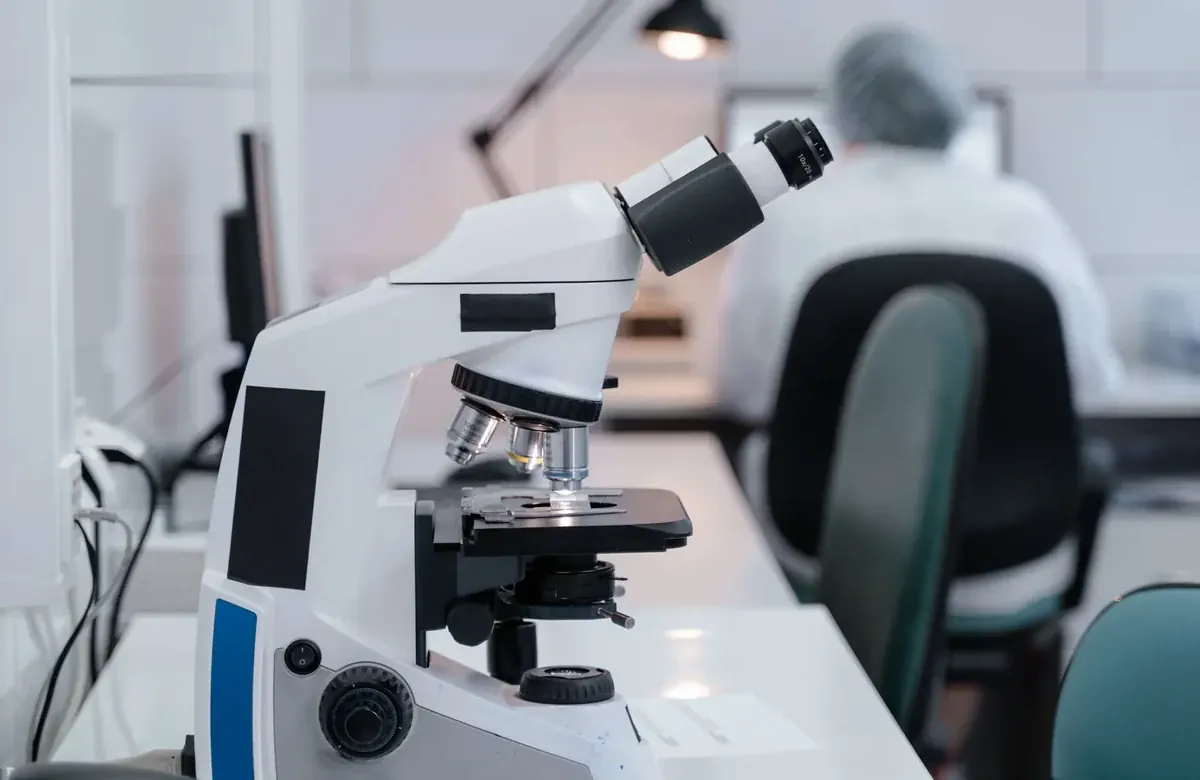
The learning depth, techniques and documentation scope are adjusted to the academic stage and confirmed program format.
Foundation concepts, laboratory discipline and introductory practical pathways.
Advanced domain understanding, analytical methods and research-oriented discussion.
Project planning, methodology direction, result interpretation and presentation readiness.
Focused literature direction, feasibility review, documentation and scientific communication.
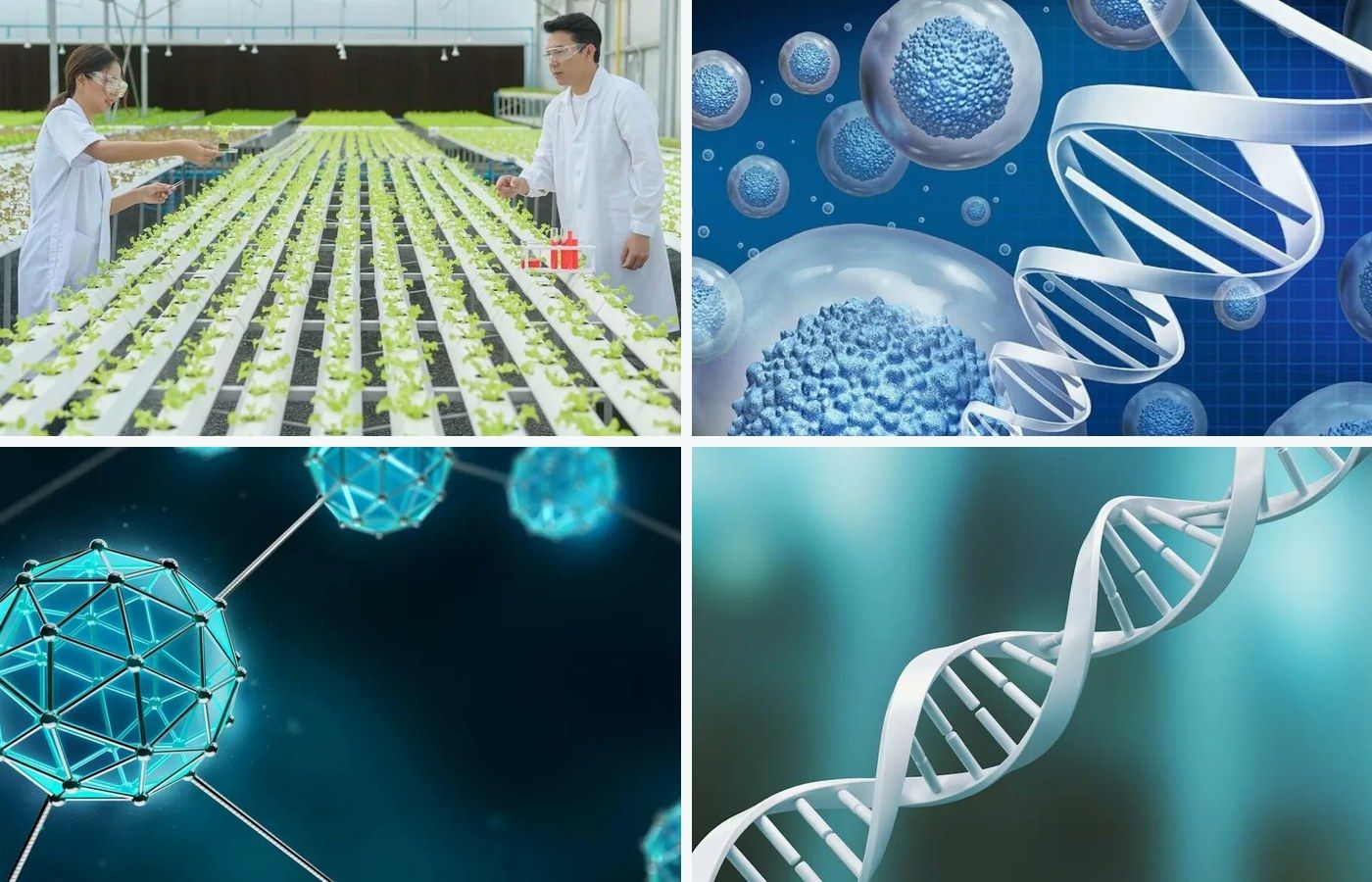
The exact methods are confirmed according to course relevance, laboratory feasibility, safety and the agreed learning outcome.
Aseptic practice, culture awareness, microscopy and observation.
DNA, PCR workflow awareness and molecular technique concepts.
Assay planning, biochemical analysis and result interpretation.
Sequence analysis, databases and computational research awareness.
Domain-focused project and practical pathways based on feasibility.
Observation records, data organisation, report structure and presentation.

The expected student outcomes are aligned to the specific department and academic level rather than copied from a general biotechnology batch.
Clear inputs help align the program with the course, semester, student group and expected academic outcome.
Degree, department, year or semester and academic level.
Expected batch size and whether the group is combined or course-specific.
Internship, project, practical training, workshop or laboratory visit.
Preferred schedule, university timeline and available session window.
Biotechnology, microbiology, biochemistry, bioinformatics or another area.
Practical exposure, project direction, documentation or department learning goal.
The institutional workflow is tailored to the department, learner group, relevant techniques, safety, schedule and expected academic outcome.
Provide college, department, course, semester, student count and coordinator contact.
Clarify the subject unit, practical gap, project requirement or workshop objective.
Choose microbiology, biochemistry, molecular biology, plant, environmental, food or another relevant area.
Review learner level, sample or method needs, safety, facilities and group feasibility.
Agree on dates, session sequence, participant details and expected academic output.
Complete the module and review student observations, documentation or presentation outcome.
Review eligible courses, program formats, practical scope and department coordination before scheduling a student batch.
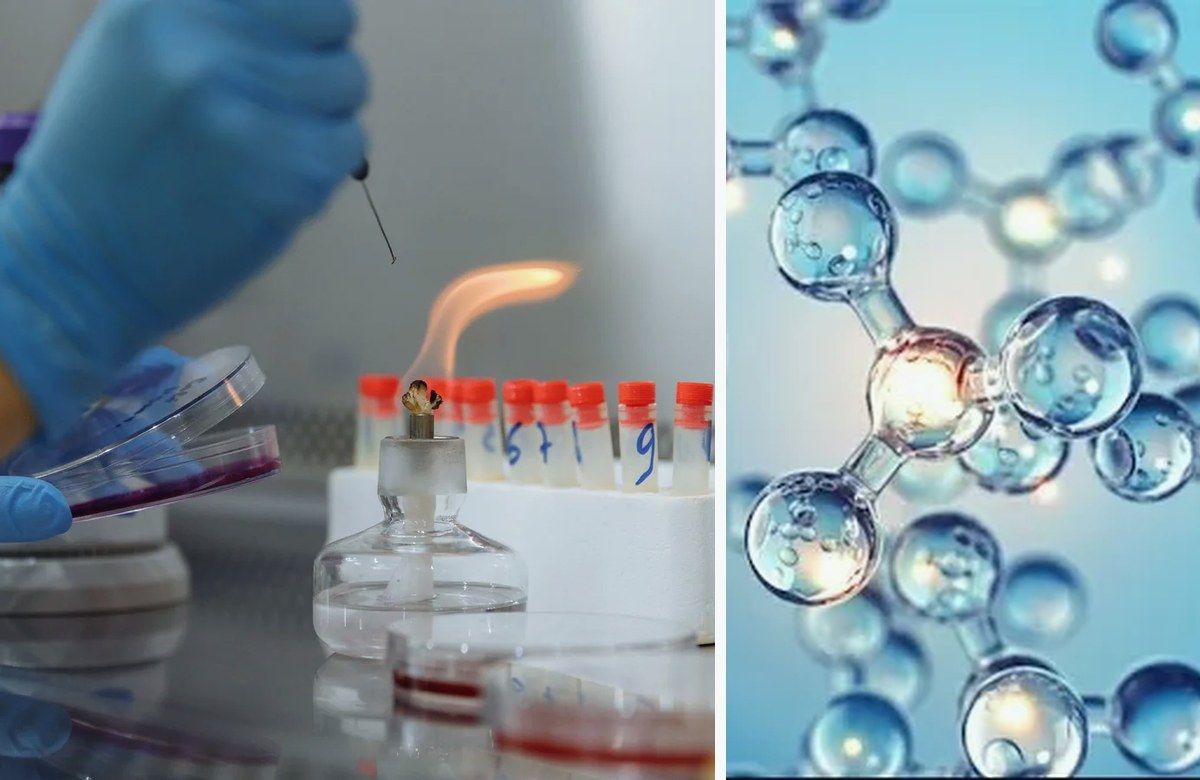
Biotechnology, Microbiology, Biochemistry, Bioinformatics, Botany, Zoology, Genetics, Food Science, Environmental Science and related bioscience departments can enquire.
Yes. The practical depth and academic output are adjusted according to the degree, semester, learner level and selected program.
Yes. Final-year and dissertation requirements can be reviewed for domain fit, feasibility, timeline and expected academic outcome.
Internship enquiries can be considered according to academic requirement, dates, domain preference, capacity and practical feasibility.
Yes. Departments can discuss one-day or multi-session workshops, practical modules and topic-focused student batches.
Possible domains include molecular biology, microbiology, biochemistry, bioinformatics, food and agricultural biotechnology, plant biotechnology, analytical techniques and related areas.
Practical exposure depends on the confirmed module, available facilities, safety requirements and student level.
The agreed scope may include observation records, report structure, result interpretation and academic presentation awareness.
Share institution name, department, course, semester, student count, preferred program, domain, duration and proposed dates.
Availability is confirmed only after reviewing academic fit, practical feasibility, batch capacity and schedule.
Share your department, student group, preferred program and schedule for a focused institutional discussion.
WhatsApp Institution Enquiry