Short-Term Training
Compact topic or technique orientation for learners who need focused exposure within an agreed schedule.
Build laboratory confidence through short-term, technique-focused, academic practical and college-batch biotechnology training. Scope and schedule are confirmed after reviewing learner level and availability.
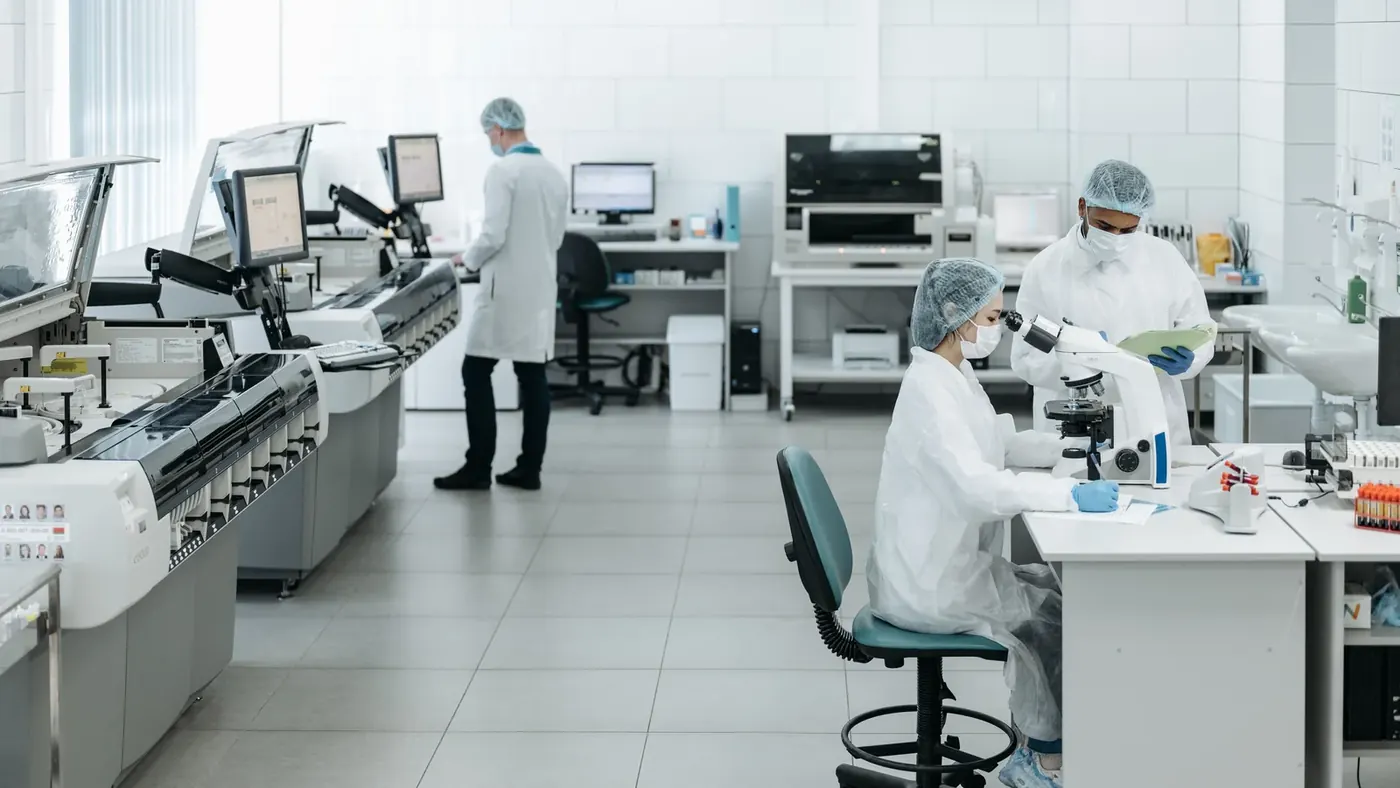
Choose a format based on the skill needed, learner level, preferred dates and expected academic output. Exact duration, practical depth and certificate support are confirmed before registration.
Compact topic or technique orientation for learners who need focused exposure within an agreed schedule.
A method-centred pathway covering purpose, workflow, controls, safety, observation and interpretation.
Course-linked practical reinforcement for students who need stronger laboratory understanding and documentation discipline.
Deeper domain or analytical learning for PG, final-year and research-oriented learners, subject to prerequisites and feasibility.
Custom workshop, practical module or laboratory-oriented batch planned with the department coordinator.
Programs are discussed according to course background, current academic level and required skill outcome.
BSc, BTech and allied life-science learners building practical foundations.
MSc and postgraduate learners seeking deeper technique and domain exposure.
Research-oriented students requiring feasibility-based method awareness.
Departments seeking structured practical sessions or customised batches.
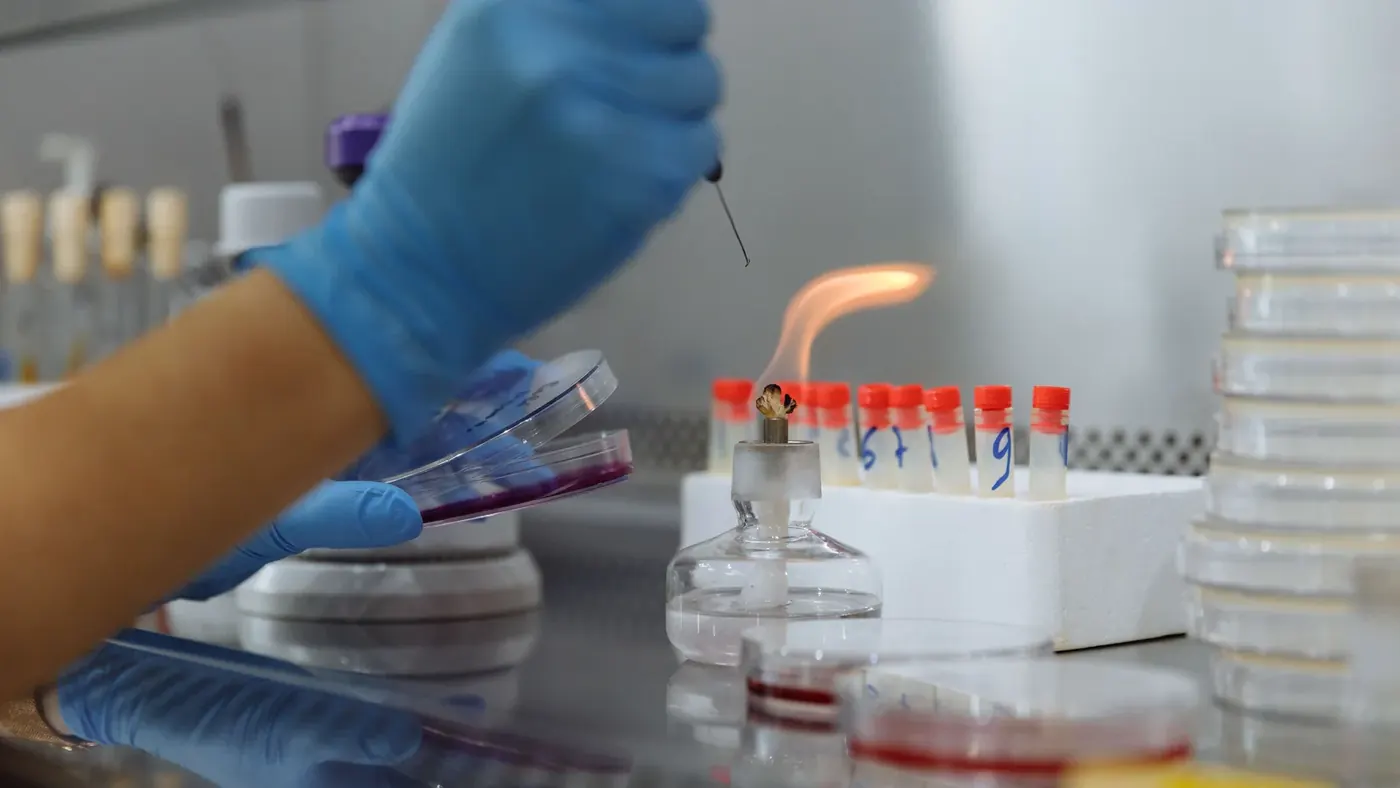
The final module list depends on learner level, facility availability, safety and the confirmed duration.
DNA, RNA, PCR and molecular workflow concepts.
Culture, aseptic practice and microbial analysis concepts.
Assays, proteins, enzymes and biochemical methods.
Instrumentation, measurement and data interpretation.
Sequence, database and computational workflows.
Food quality, plant and agricultural biotechnology topics.
Nanomaterial synthesis and characterisation concepts.
Cell, tissue and biomaterial-oriented foundations.
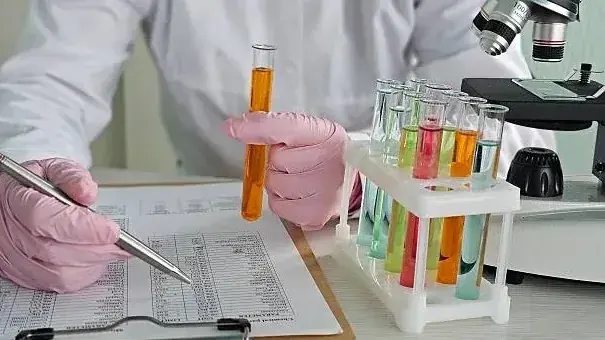
Training combines concept explanation with method-oriented observation or practice according to the confirmed pathway.

The expected outcome is clarified before registration so the program remains focused and academically relevant.
Connect theory with the purpose of each selected technique.
Understand the sequence of steps in a laboratory method.
Recognise instrument purpose, controls and safe handling expectations.
Record observations and identify important experimental variables.
Understand how measurements and outputs are reviewed.
Organise notes, method summaries and learning records.
Training is confirmed only after the learner, skill objective, practical scope, schedule and expected outcome are reviewed.
Provide course, academic level, prior exposure, preferred topic and dates.
Clarify whether the need is foundation learning, technique orientation, project preparation or advanced practice.
Check module prerequisites, safety, samples, equipment access and available capacity.
Agree on timing, practical depth, group format, fee and certificate position where applicable.
Finish the planned module with observation, data interpretation, documentation or next-step guidance.
Identify a suitable internship, project or advanced skill pathway.
The training pathway prioritises academic relevance, realistic practical scope and clear learning outcomes rather than a one-format package.
Review eligibility, duration, practical scope and registration requirements before selecting a training pathway.
UG, PG, final-year, research-oriented and related life-science learners can enquire. Suitability depends on course background and the selected module.
There is no single duration for every module. The schedule is confirmed after reviewing the topic, practical depth, learner level and preferred dates.
Yes. Foundational pathways can be considered for beginners who need concept clarification, laboratory discipline, equipment orientation and introductory practical exposure.
Possible areas include molecular biology, microbiology, biochemistry, analytical techniques, bioinformatics, food biotechnology, nanotechnology and cell or tissue-related topics.
Practical exposure depends on the confirmed technique, learner readiness, safety requirements and facility availability. It may include guided practice, demonstration, observation, analysis and documentation.
PCR and RT-PCR training can be discussed through the specialised molecular biology pathway. The exact practical scope is confirmed after reviewing prerequisites, safety, samples, equipment and schedule.
Yes. Colleges can share the department, course, student count, preferred topic, dates, duration and expected output for a customised batch review.
Share the course, college, academic level, preferred technique or topic, prior exposure, preferred dates, duration and a valid WhatsApp number.
Completion-related documentation can be discussed as part of the confirmed program scope.
Use the Register for Training page and provide complete academic and scheduling details.
Share your course, academic level, preferred technique, duration and expected start date through the training registration form.
Register for Training