
Purpose & Principle
Learners first review what the equipment measures or controls and why that function is relevant to the selected biotechnology technique.
Guided equipment orientation for biotechnology students—covering purpose, workflow, safety, observation and data interpretation within a confirmed learning module.
This page describes equipment-learning categories, not a guaranteed inventory or unrestricted instrument access. Exact equipment exposure is confirmed against the selected program and availability.
Laboratory equipment should not be treated as a checklist of machines. A useful learning session connects the instrument to the scientific question, sample type, preparation steps, operating range, controls, safety precautions and the meaning of the final output.
Learners first review what the equipment measures or controls and why that function is relevant to the selected biotechnology technique.
The orientation covers suitable samples, preparation requirements, important settings, capacity limits and factors that may affect accuracy or reproducibility.
Relevant blanks, standards, controls, balancing, contamination precautions, cleaning steps and shutdown responsibilities are discussed before or during guided use.
Readings, images, bands, curves or observations are recorded and reviewed in context. Equipment access alone is not presented as proof of technical competence.
Equipment is introduced in the context of a technique and academic objective so learners understand why it is used, what output it produces and what limitations apply.
Volume selection, tip use, transfer discipline, accuracy awareness and contamination prevention.
Explore pathway →Rotor and tube awareness, balancing, relative force concepts, sample separation and safe operating discipline.
Explore pathway →Blank, wavelength, absorbance, standards, calibration concepts and interpretation of measured values.
Explore pathway →Reaction-component awareness, cycling stages, contamination control and result-context discussion where relevant.
Explore pathway →Gel preparation concepts, sample loading awareness, migration, visualisation and band interpretation.
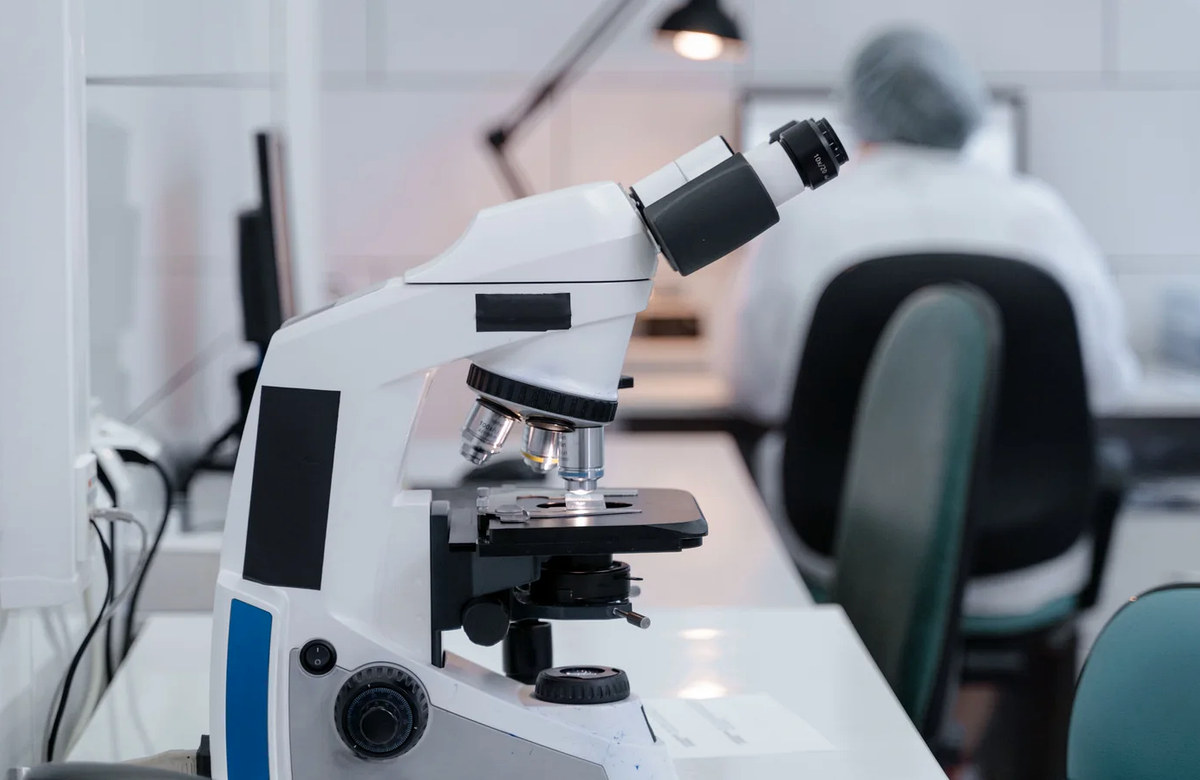
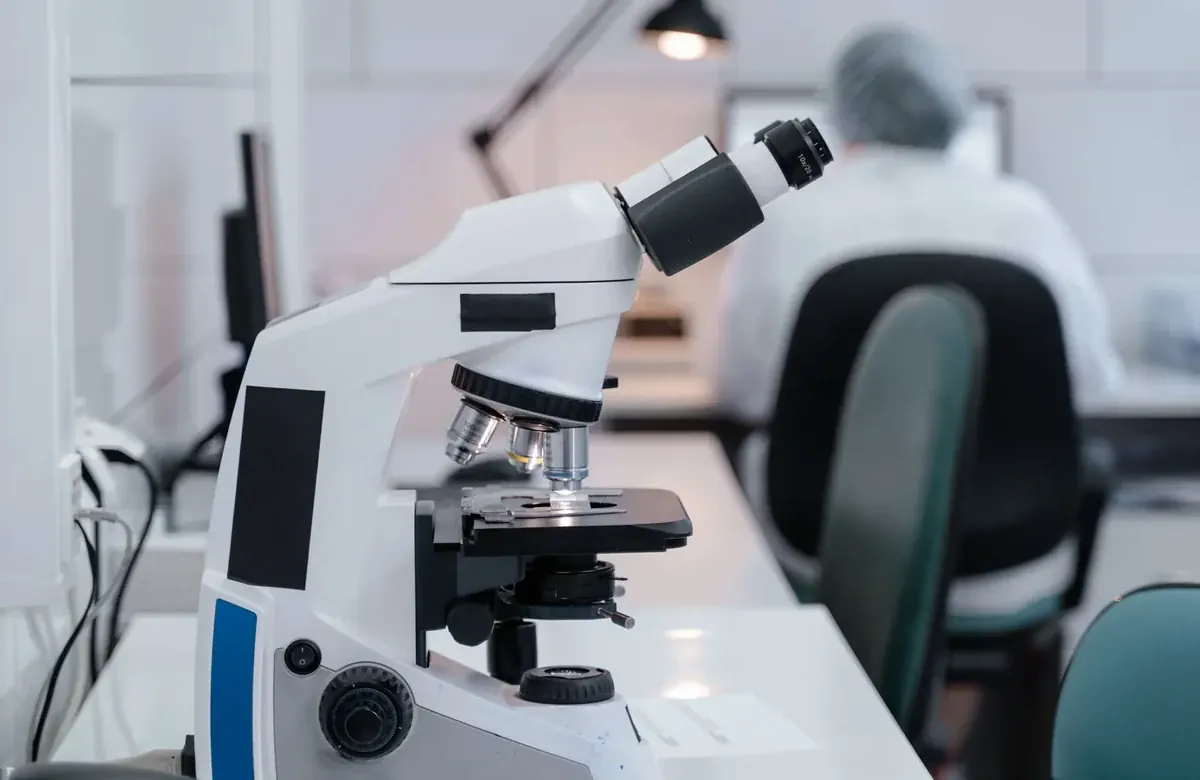
Explore pathway →Focusing, magnification, slide handling, observation recording and image or note-based interpretation.
Explore pathway →Temperature, time, aseptic handling and growth-observation concepts for approved microbiology modules.
Explore pathway →Balance use awareness, buffer or media preparation concepts, pH measurement and calculation discipline.
Explore pathway →Instrument logs, quality checks, result recording, cleaning responsibility and safe shutdown concepts.
Explore pathway →Equipment learning is useful only when it is connected to sample preparation, controls, operating limits, output quality and scientific interpretation.
The equipment pathway is confirmed after reviewing the technique, learner level, sample requirements, safety and available instrument schedule.
Start with the academic method or measurement required—not an instrument name alone.
Confirm course background, calculation skills, safety awareness and previous practical exposure.
Check the relevant instrument category, supervision level, sample needs and availability.
Define the observation, data, calculation or interpretation learners are expected to complete.
No. Equipment exposure is confirmed only after the selected technique, program dates, supervision and instrument availability are reviewed.
Not automatically. The access level may be demonstration, guided practice or supervised use depending on safety, learner readiness and the confirmed module.
Yes, when a project method requires the instrument and the sample, controls, schedule and practical feasibility are suitable.
Relevant calculations, standards, controls, data recording and interpretation are included according to the selected equipment pathway.
Yes. Departments can propose instrument categories, learner level, student count and dates for a feasibility-based workshop plan.
Share the technique, learner level, sample context and expected output so the suitable equipment-orientation route can be reviewed.